Hokkaido is famously covered in snow across the whole island. We flew there, but you can get a train/ferry combination from Honshu. The capital city is Sapporo, and it’s huge. Celebrated for their beer, sold all over the world; a snow & ice festival held annually in February; and several big snow resorts close by.
Sapporo
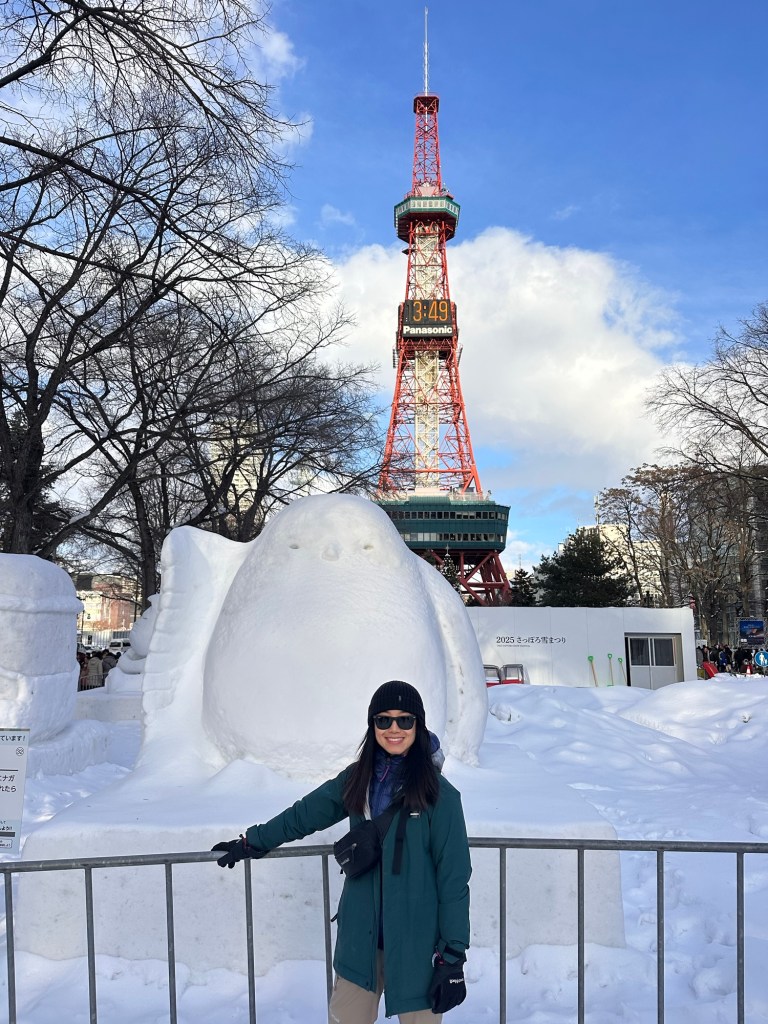
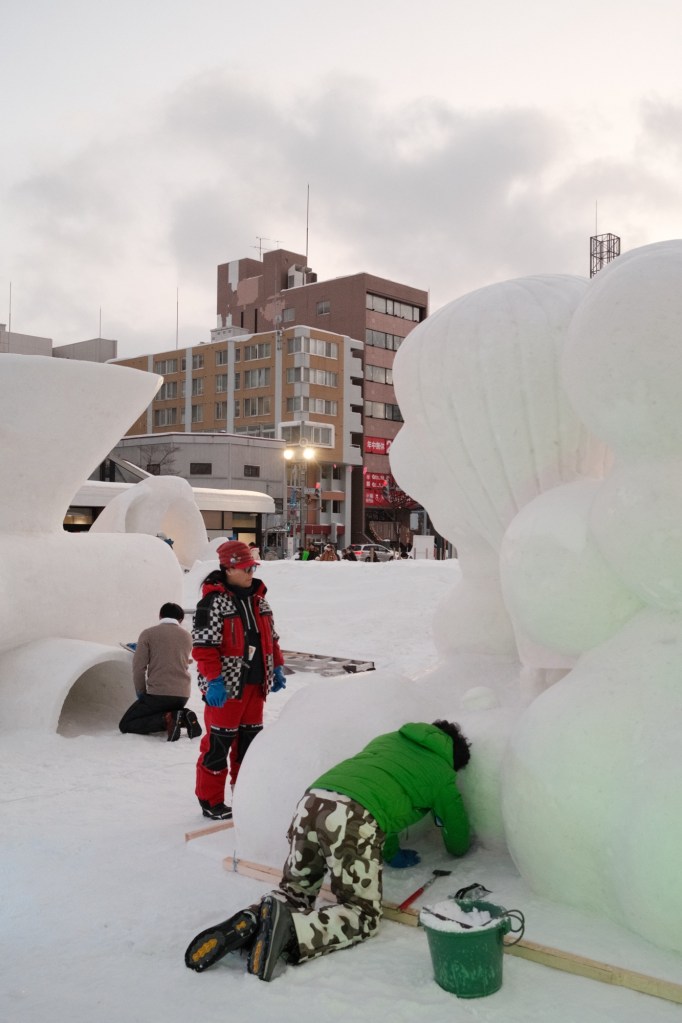
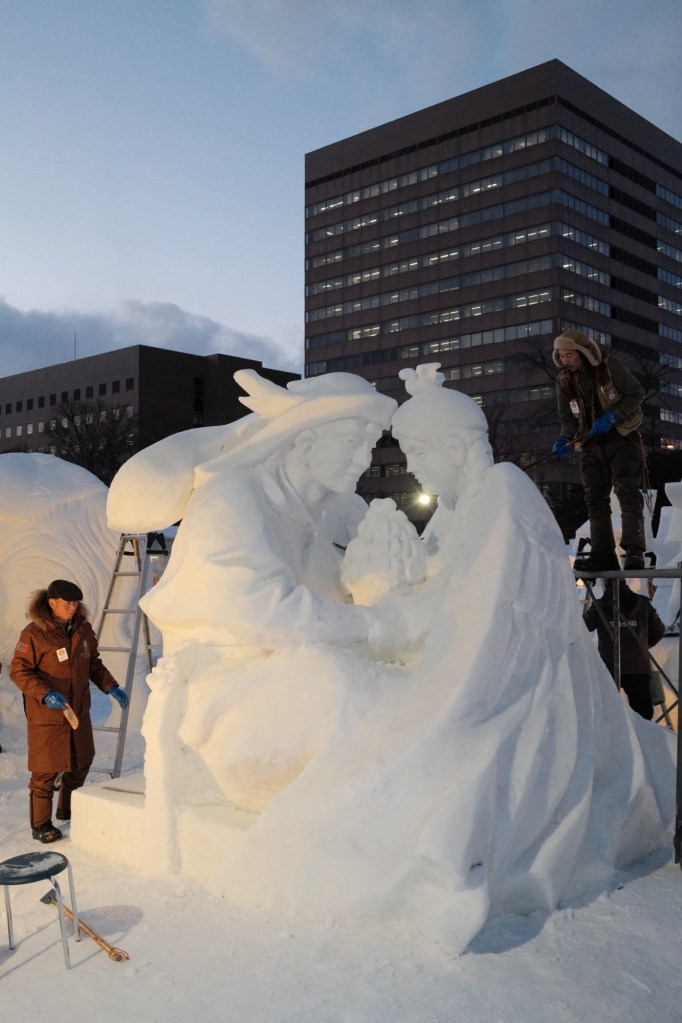
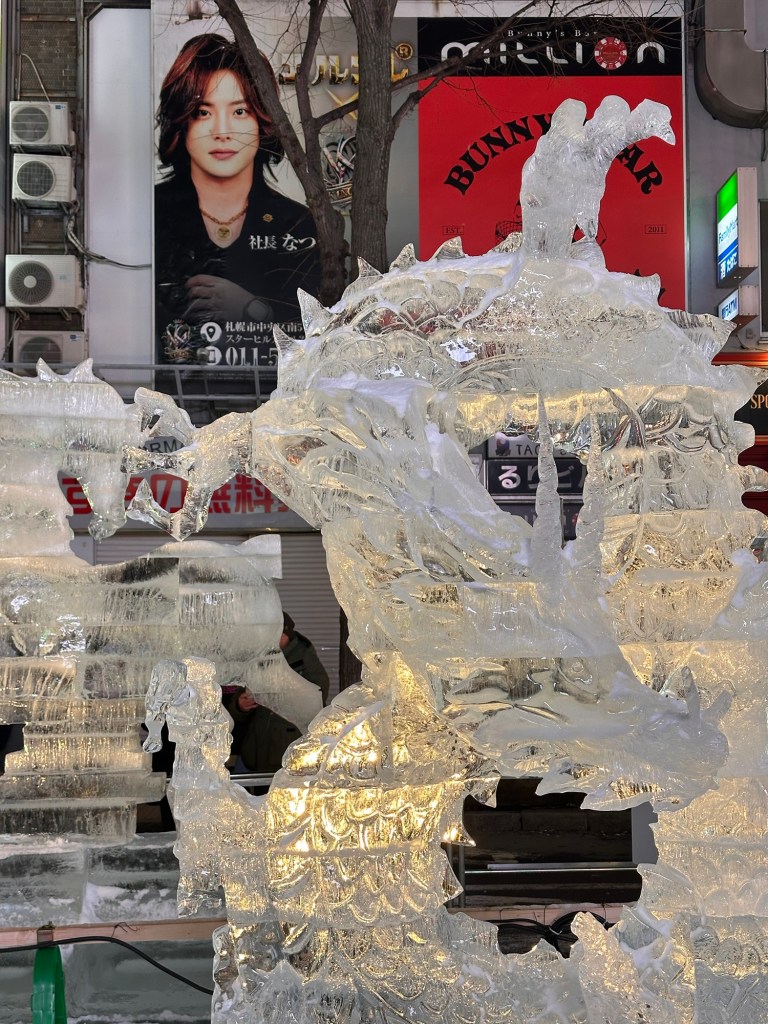
We spent two nights in Sapporo to visit the ice festival, which was a great experience. Multiple areas of the city are lined with vast carved ice sculptures – many by nations invited to take part in the annual carving competition. There’s everything from Pokémon to castles carved out of ice and lasting for over a week. We observed Thailand creating a giant ice elephant and Poland carving a giant brain.
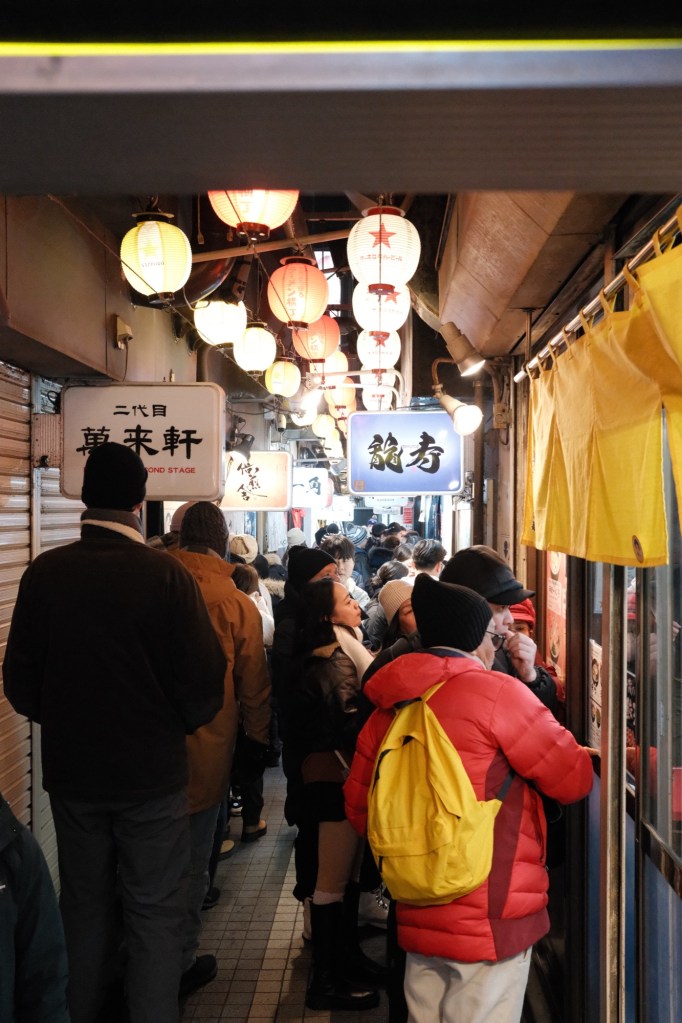
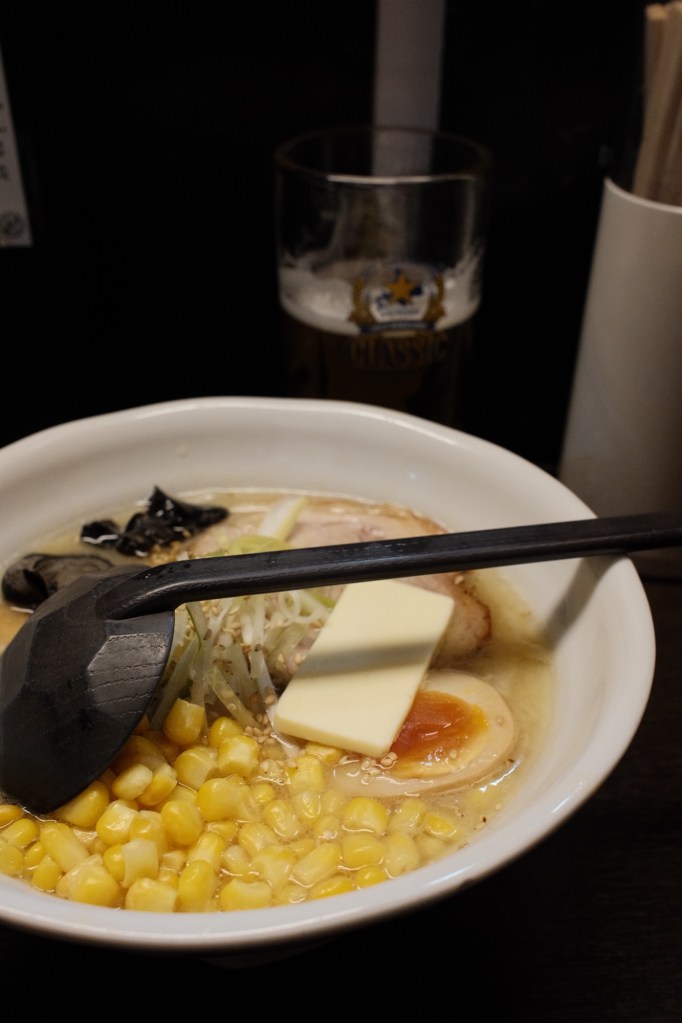
Food is BIG business in Hokkaido as it’s famed as one of the best places to eat in Japan. We wrestled our way through the popular ramen street trying to pick the best place to eat – they all kind of look the same – opting for a tiny restaurant that served up tasty ramen with butter and sweet corn on top – a Hokkaido speciality.
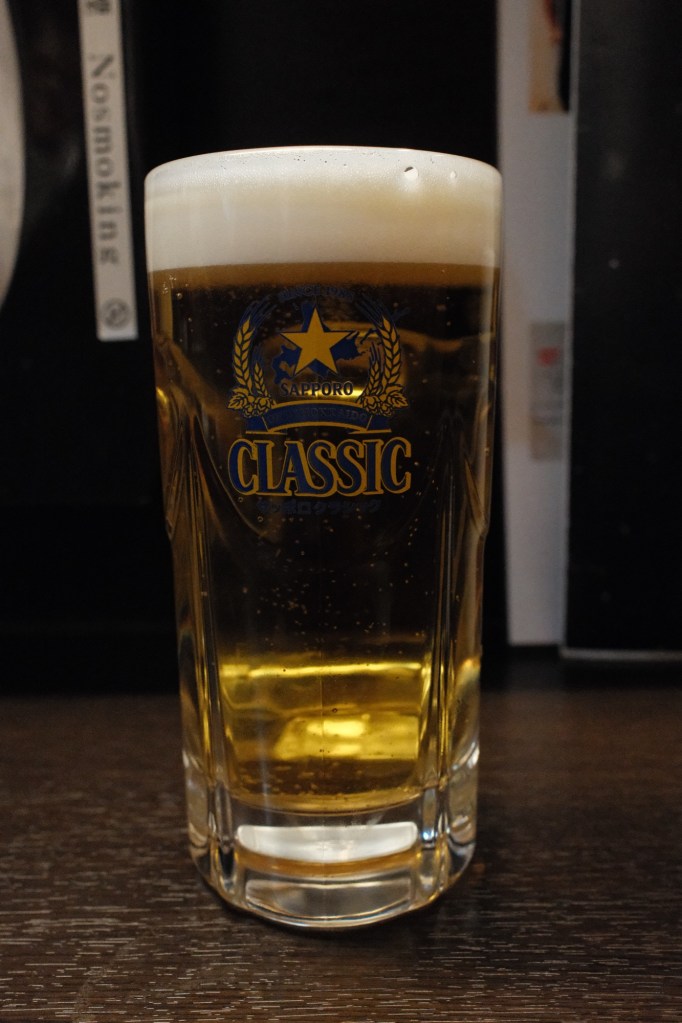
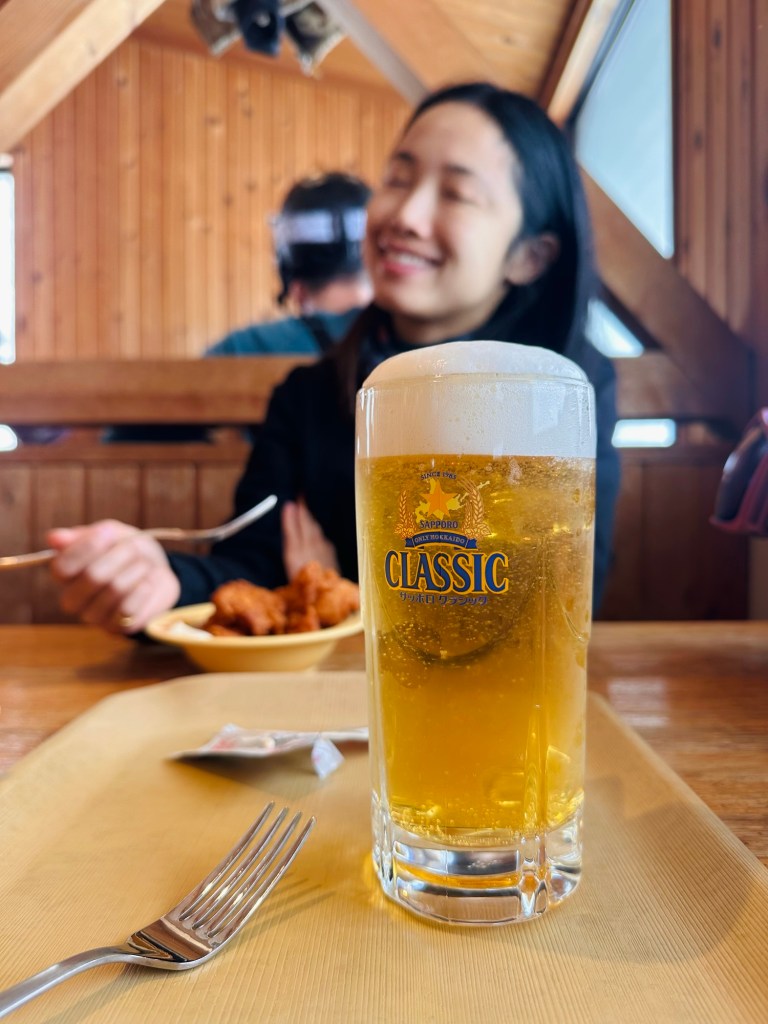
The other thing worth trying here is Sapporo Classic, a variation of Sapporo beer only sold on Hokkaido; you can’t find it anywhere else in Japan. I presume as a homage to the place it was created, to let the locals and visitors drink the best. And it probably was the best beer we drank in Japan, extra refreshing.
As you walk through the streets of Sapporo, you wonder where everyone is; it’s a big city after all. Carmen has visited before, so she knew that everyone is actually below ground in a huge subterranean layer of shops. It gets very cold in Hokkaido, so it makes perfect sense; let everyone move around the city in a warm, snow and rain sheltered area.
Before heading to Furano, we stayed for two nights in the small town of Bibai to benefit from cheap accommodation before taking the financial hit of Furano. The guest house was cheap and cheerful, but we probably wouldn’t stay again 😁
Furano
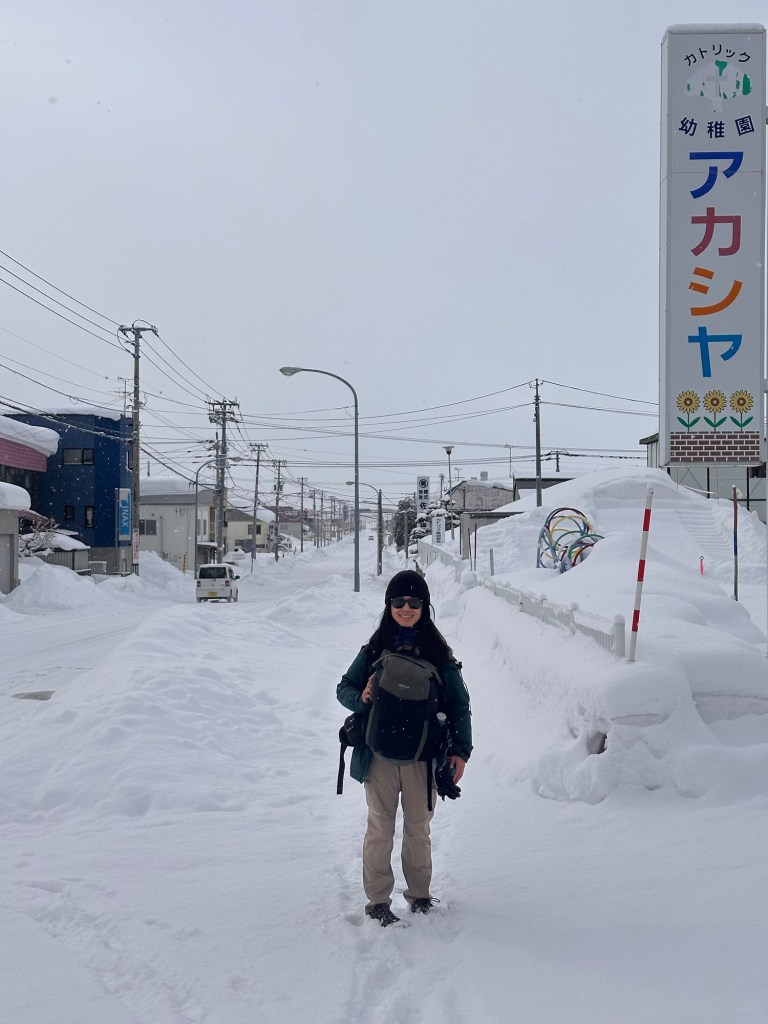
Furnao is FULL of Australians, it’s quite bizarre, but also makes perfect sense when you consider the ski destinations closest to Aus. Because of this, prices are higher than the rest of Japan and cheap accommodation can be hard to find. We very nearly had to accept our fate and book an expensive hotel when we discovered minimal options, but in the end we found a brand new Airbnb-style shared house. We got really lucky as it was super high quality inside, cheaper than elsewhere, and the private room and bathroom we booked were big. There was also a well-equipped brand-new kitchen for cooking.
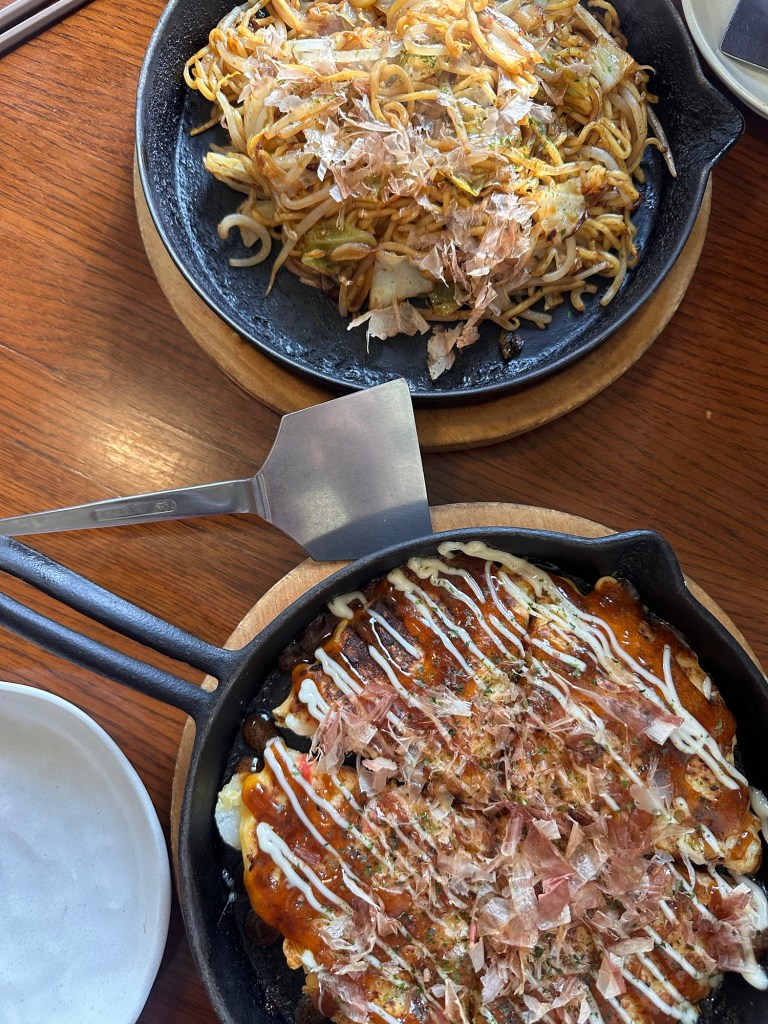
We found an amazing okonomiyaki restaurant in the centre of Furano town. We’d craved okonomiyaki throughout our travels in Japan but failed to find an open restaurant serving it. Fried pancake-style noodles cakes with a variety of fillings, covered in Kewpie mayo and brown sauce 👌
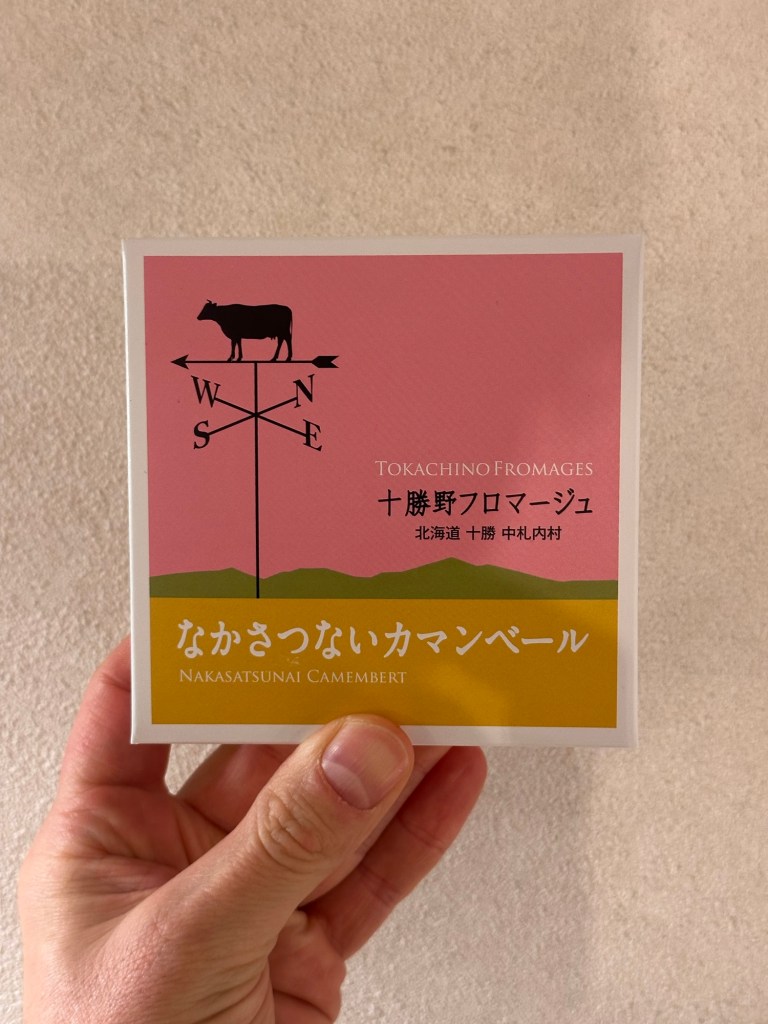
An important topic when travelling – Cheese can be hard to come by when travelling the world. Well, not hard to come by, but hard to come by good cheese. We’ve certainly sampled some interesting varieties. Hokkaido, however, is famous for its dairy; they produce some of the best milk, yoghurt and cheese. Inspired by this knowledge, we bought Hokkaido Camembert, which turned out to be easily as good, if not better, than its French counterpart 🧀 A future blind tasting is required!
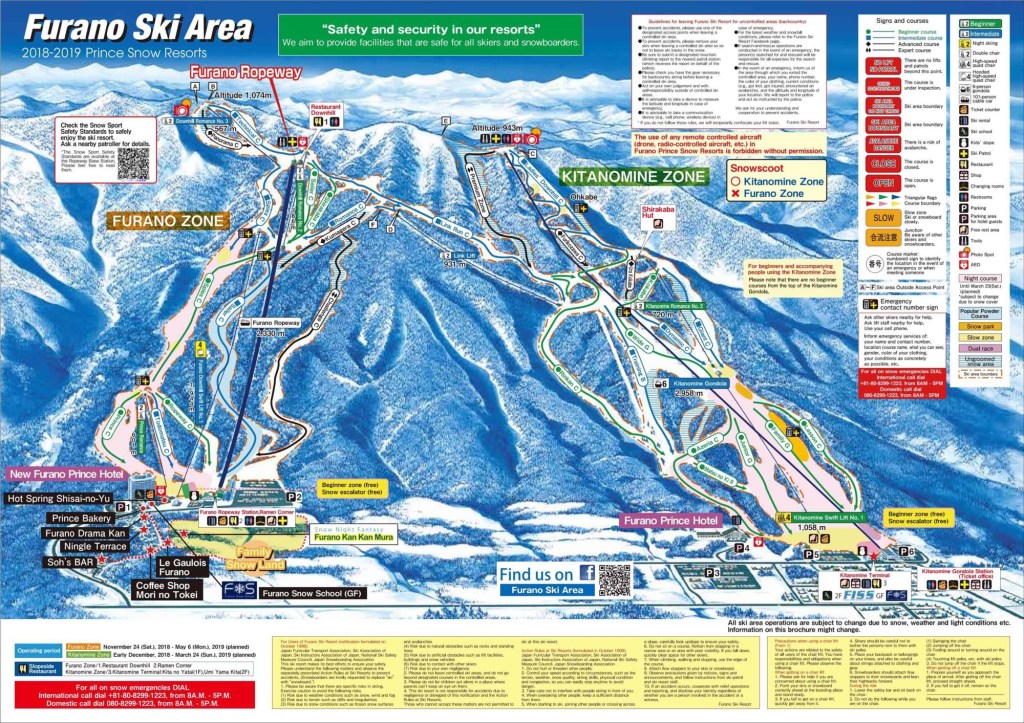
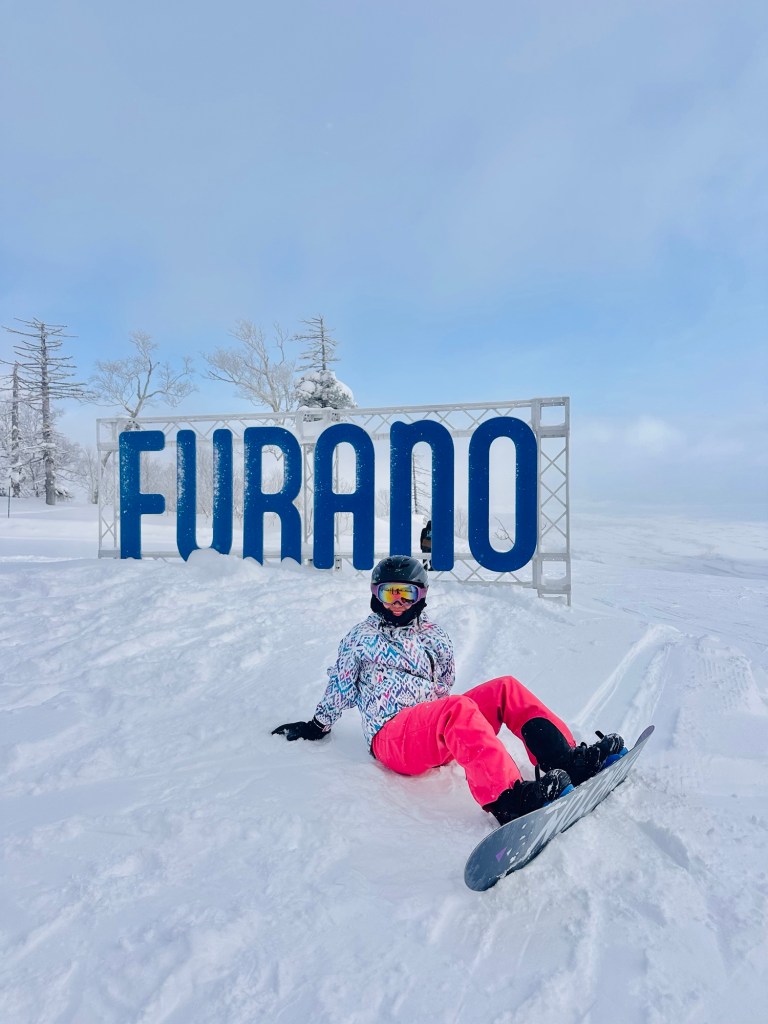
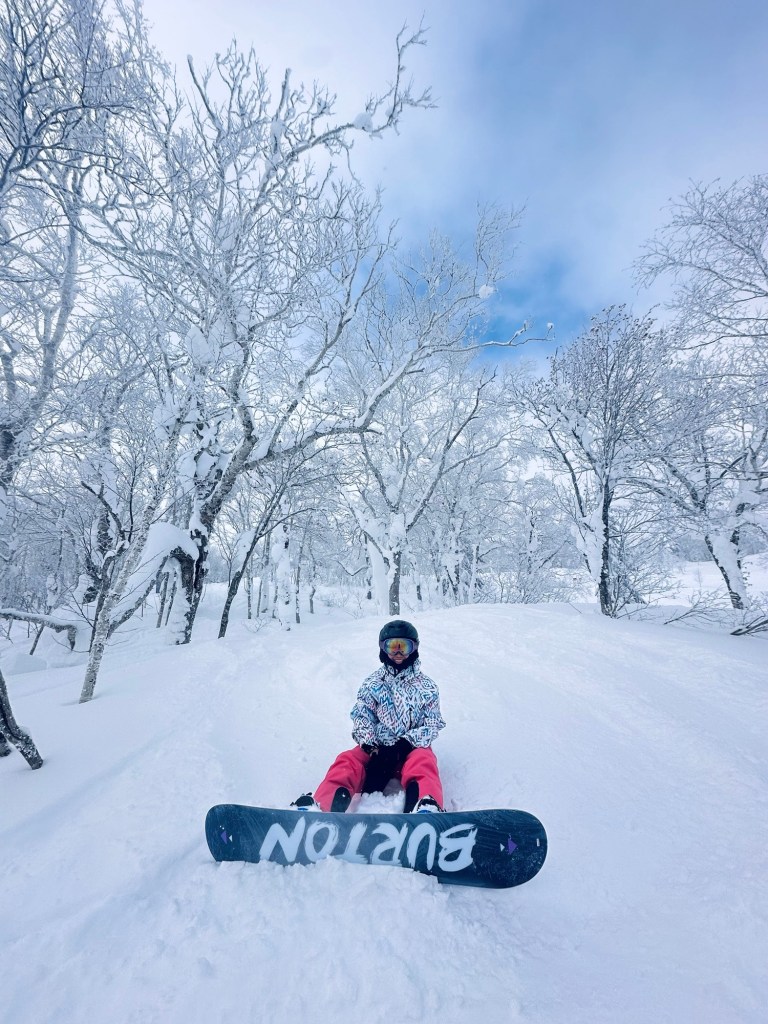
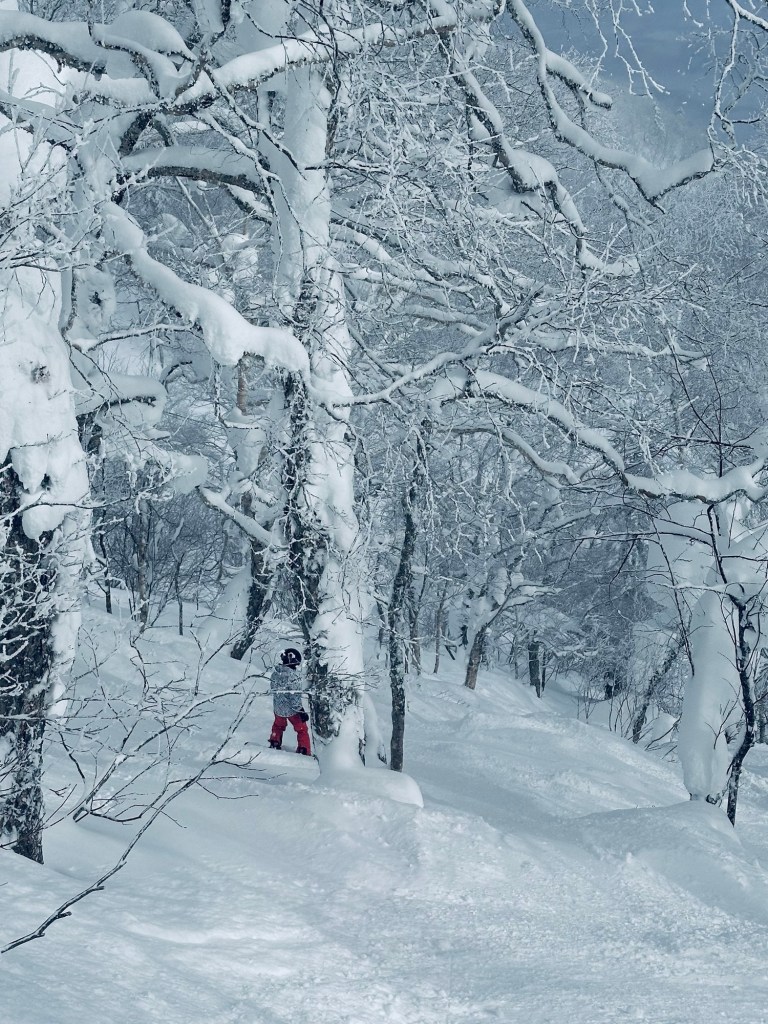
The Furano pistes were well polished with great snow. It was a bit cloudy for our days on the mountain, but still really enjoyable. Like the rest of Japan, apres was minimal to non-existent, but it didn’t impact our experience.
I’m going to go out on a limb here and say I think the resorts in the Japanese Alps were a little more magical than Furano – Yes, Furano is well setup, but with the flood of visitors, it’s busy and expensive. When you weigh that up against the charm of some of the smaller resorts and cost savings, I think you could be best to visit the Japanese Alps rather than Hokkaido. Where you’ll have the option of ski touring, discovering different resorts each day. I’m sure we’ll be back in Hokkaido for Niseko, which is even more popular, but ahead of that, we’ll return to the Japanese Alps.
Jazz Time
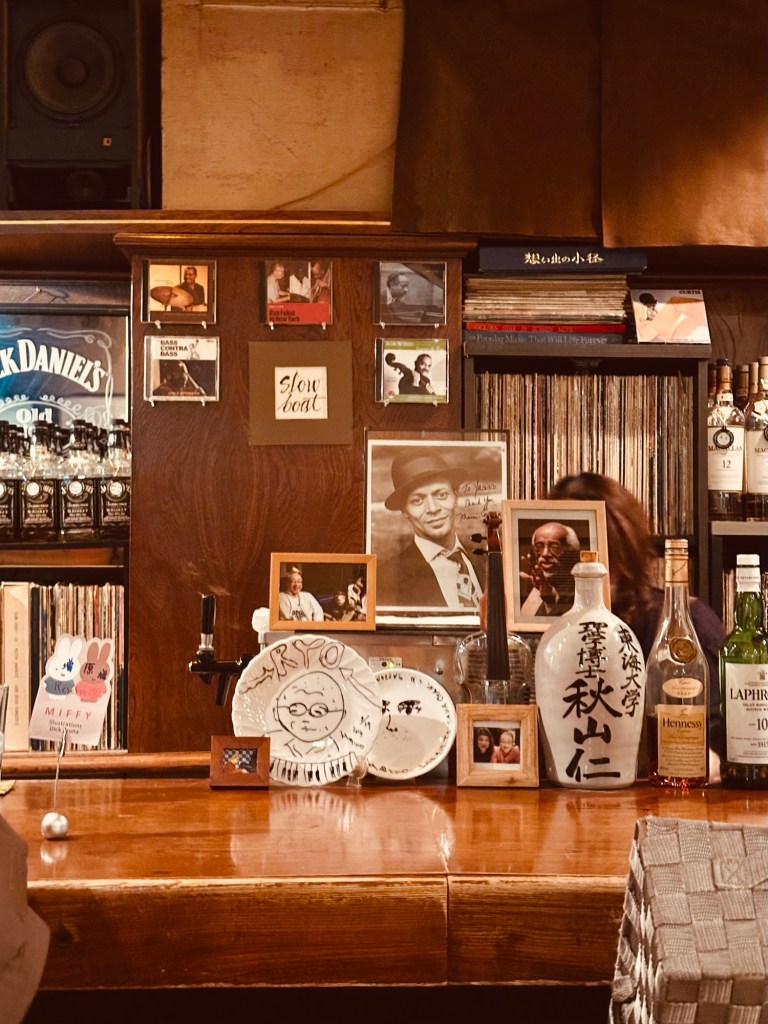
We got the train back to Sapporo for one more night. We visited the Sapporo brewery for a free tour, which was pretty good, although the queues to buy anything were too big. After that, we got a lucky recommendation from a fellow traveller in our hostel, who said we should go to a jazz bar that evening. I noticed this particular traveller as I was enjoying the fact he unboxed a very nice bottle of Japanese whisky while sat in the hostel and proceeded to drink it mid-afternoon.
His other words of wisdom were that the jazz bar only had space for around 18 people, so get there early. We obviously had to run through the snowy Sapporo streets to get there, and then again up a flight of stairs to try and beat a lift full of people, but we made it and we were fourth in line to get a seat. Steeped in jazzy history, this place was cool. Walls covered in the typical black and white photos of musicians and posters of past gigs, we were in for a real treat. Whisky high balls swiftly arrived at our table at the front, and a double bass player and pianist kicked off the evening’s entertainment.

Yamagata Snow Monsters
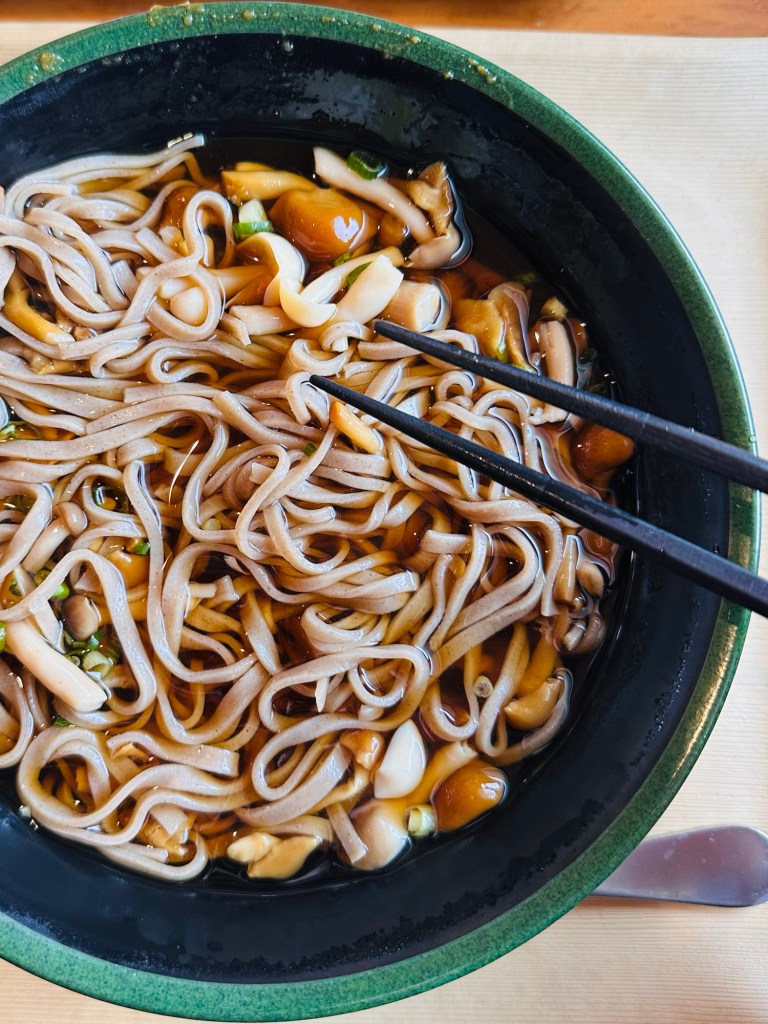
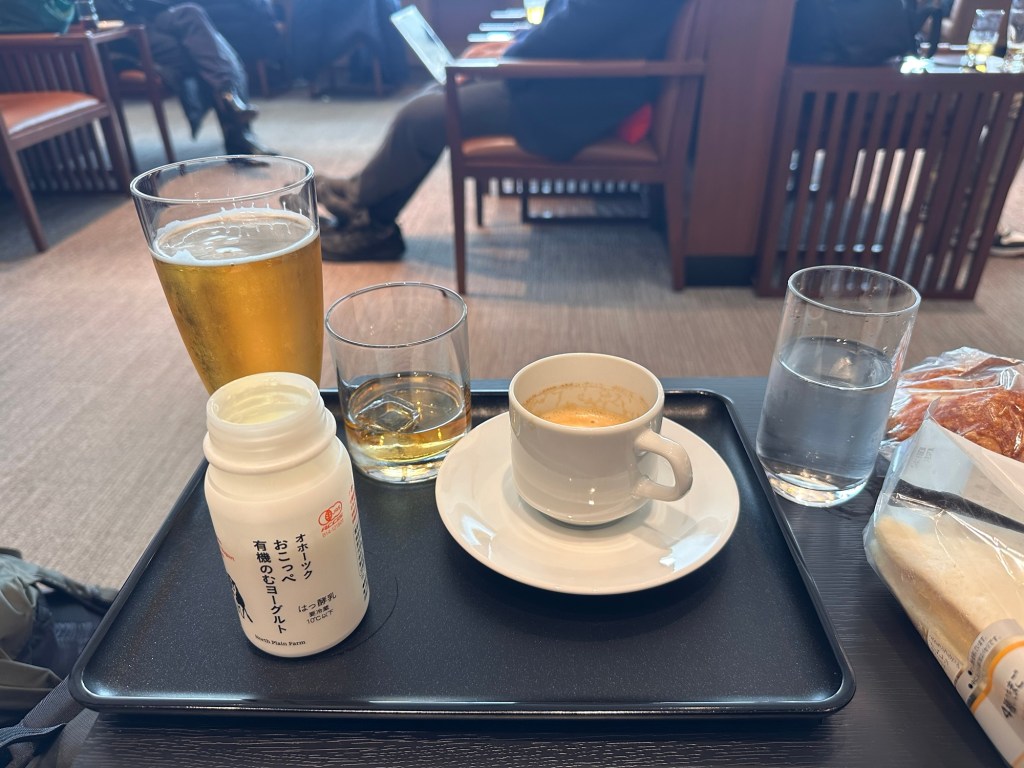
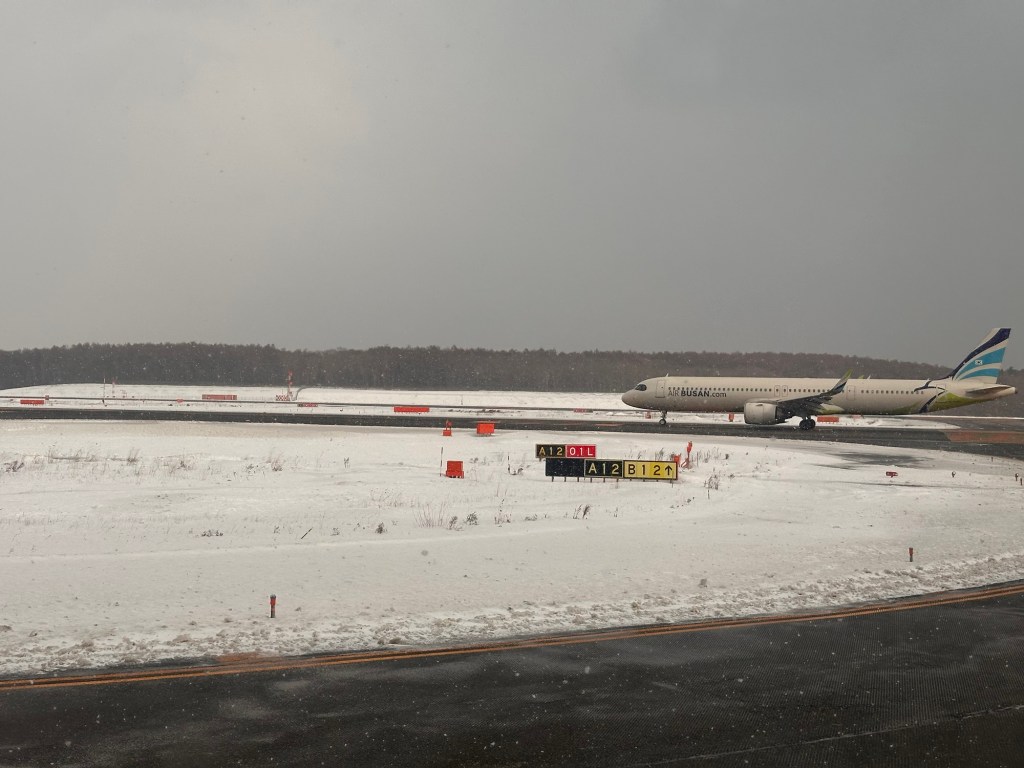
The next morning, we took a flight from Sapporo to Yamagata, south of Hokkaido but still north of Tokyo. We indulged in free airport lounge access and had coffee, yoghurt, beer, and whisky (repeat) for breakfast – well, at least one of us did.
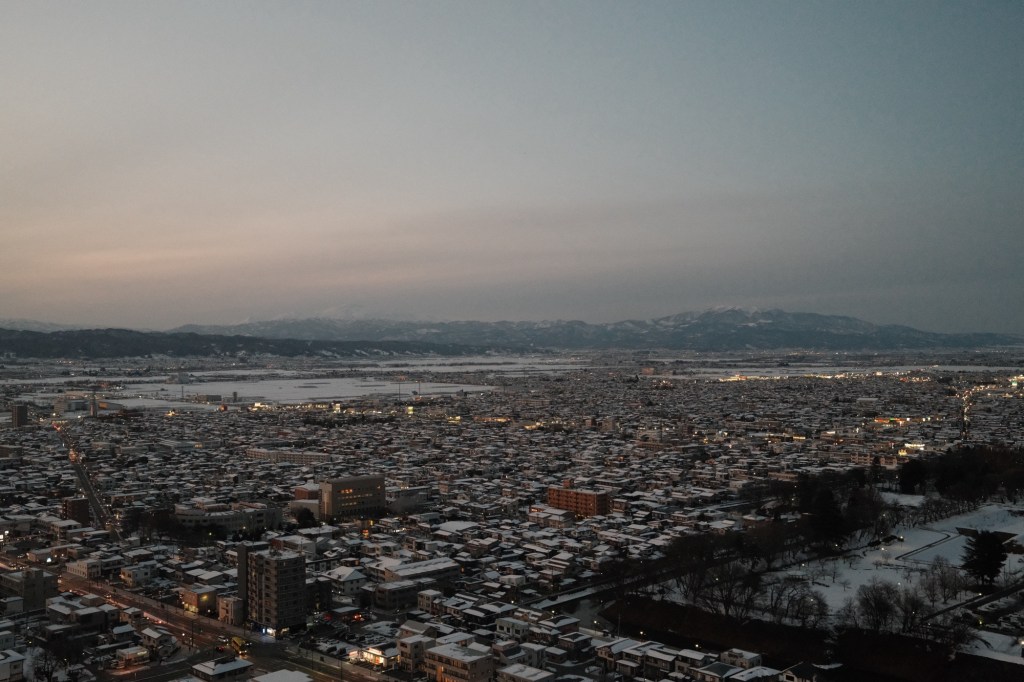
Yamagata is a medium-sized city nestled in the valley close to a few ski resorts. We were primarily here to visit Zaoonsen, famous for the “Snow Monster” trees covered in ice and snow looming over the pistes, but we did have some time to explore the city as well.
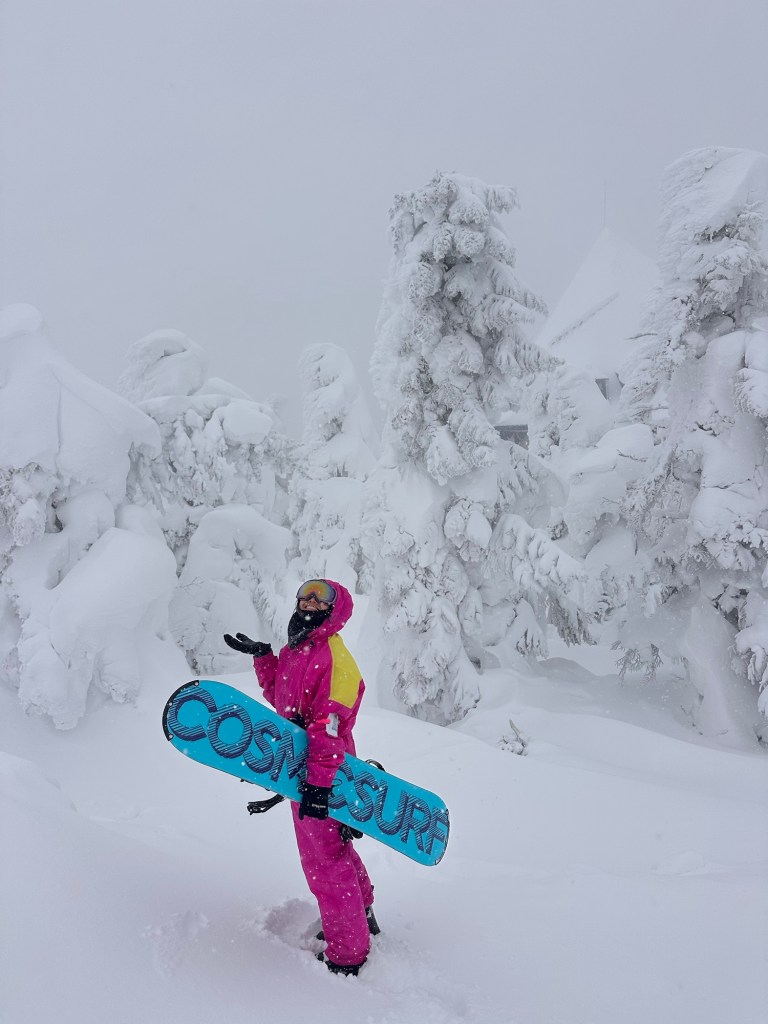
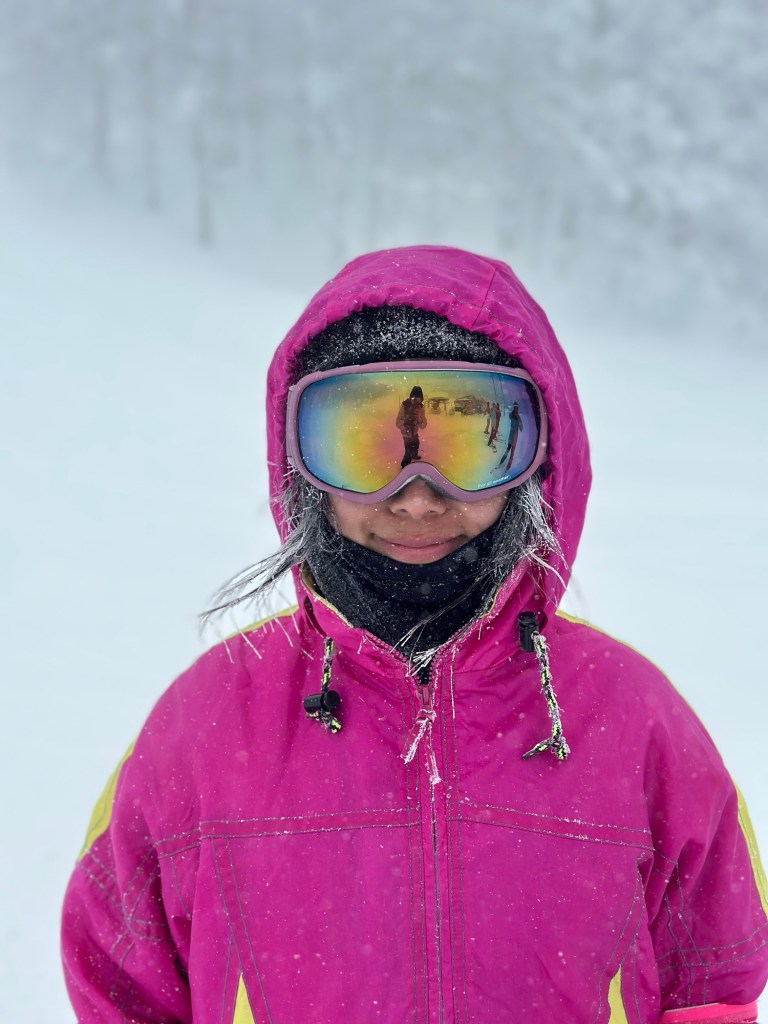
We woke early to catch a bus to Zaoonsen, and it was one of those times we were glad we arrived early; the queue was already big and many more tried to join it after us. We hadn’t reserved any equipment, but from previous weeks this hadn’t been a problem. But to our surprise, most places didn’t have any boots or boards left. Luckily, we found one place that could help, but we had to wait a good 45 mins to be served. Another Mr. Benn experience was provided, and we picked some great outfits— Carmen had an all-in-one pink ski suit from the 90s.
Visibility was low, and winds were high— everything you’re looking for in a ski experience 😅. We also discovered huge queues to get up the mountain, partly because there’s big demand from non-skiers to see the “snow monster” trees. As the lift line was so big, we took advice from a local worker to traverse the mountain using an alternative set of ski lifts to reach the top of the mountain. This was great advice, and we had some fun runs on the way. The gradient was nice, and the piste was wide.
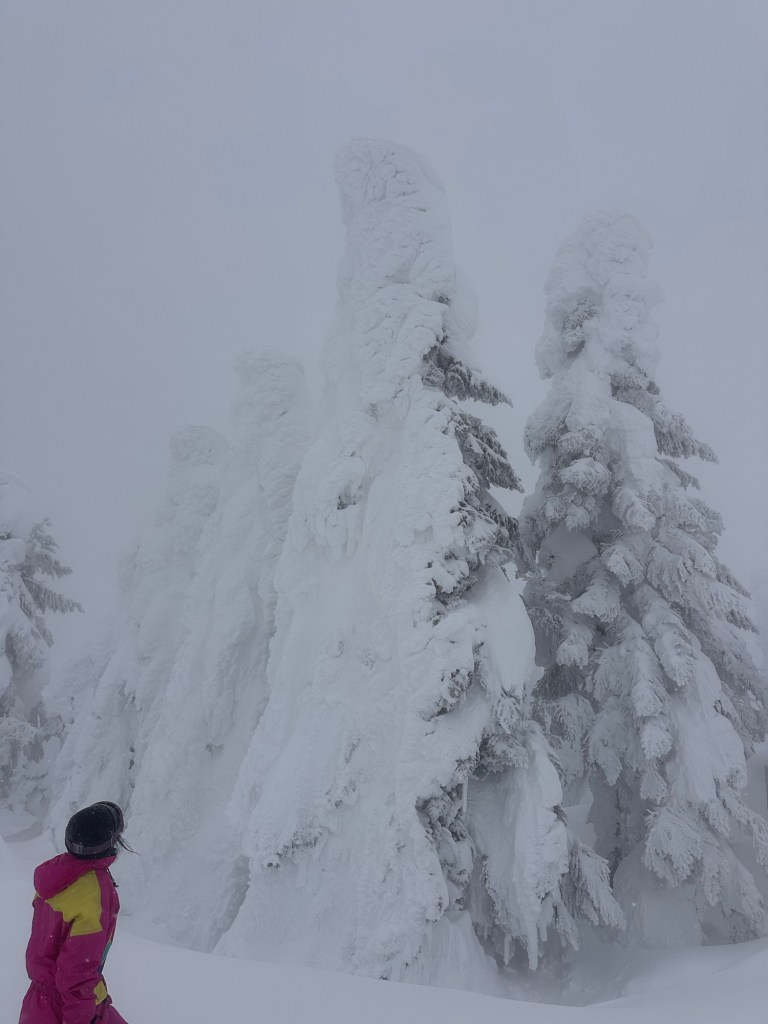
At the top, the wind was howling, and it was freezing. We had to act quickly if we wanted to board the runs with the snow monsters. We entered the void and strapped our boards on and started moving into a sheet of white. It was that feeling of snowboarding without any sensation of moving. Eventually, visibility improved, and we got a glimpse of the snow monsters— and they were like nothing I’ve seen before on any mountain. Huge trees completely covered with snow and ice, frozen until spring or later. An example of just how much snow Japan gets during winter.
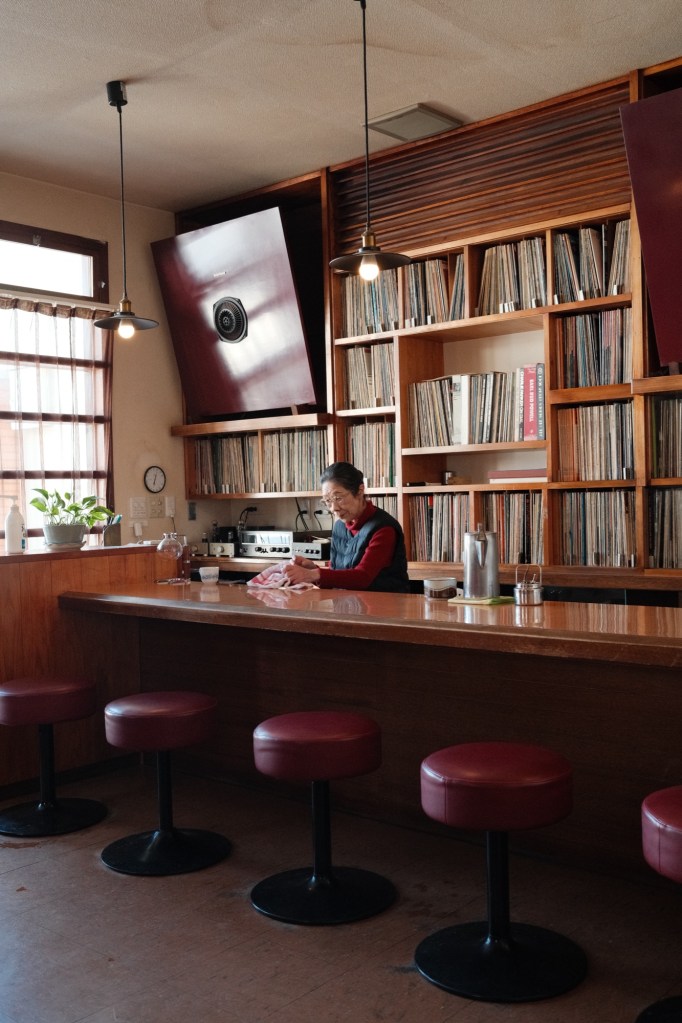
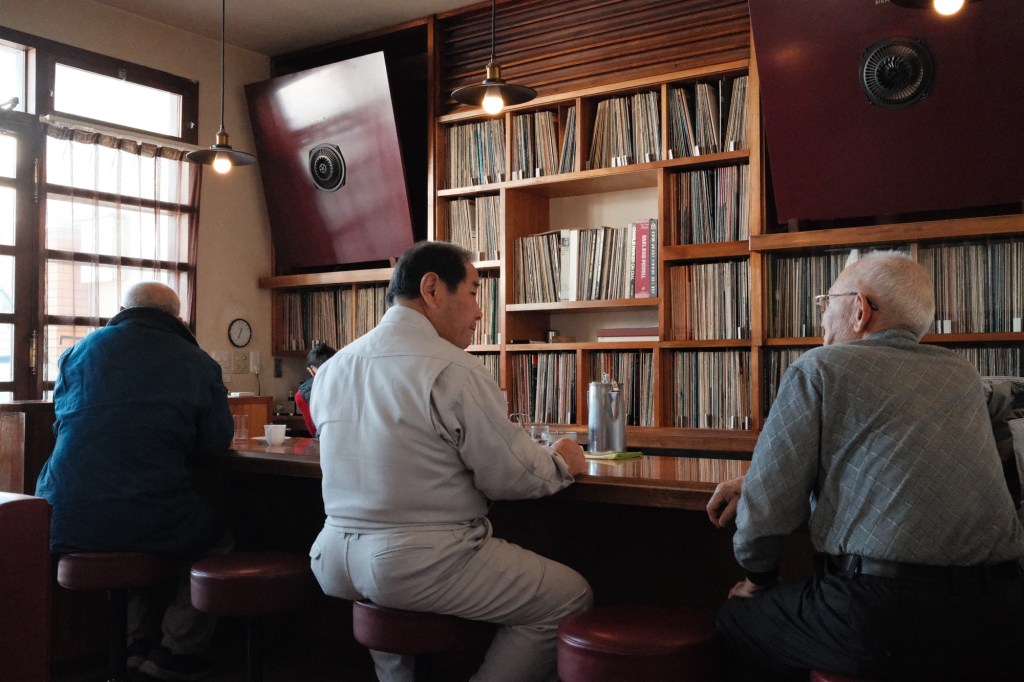
A wander around Yamagata resulted in some great finds. Notably, a jazz café run by a lady for the last 50 years or so. It had an amazing sound system and a selection of vinyl on the wall behind the bar. Syphon coffee was served along with pizza bread (seems to be a staple all over Japan in older cafés). It was great to observe the regulars sitting at the bar catching up.
Up next: the final legs of Japan— Kamakura, Fuji, and Tokyo!
 seemehear
Leave a comment