💡Open in your browser to view all photos 📸 Tap “read on blog” above.
To say we were excited was an understatement. I’d dreamt about snowboarding in Japan ever since I learnt it offered probably the best snow conditions in the world 🌎 We were keen to explore some of the smaller, less known ski areas of Japan, where it wouldn’t be quite as expensive and also a little less busy. That being said, we would be heading to Hokkaido after visiting the Japanese Alps, where Niseko and Furano are known as some of the busiest resorts in Japan.
Matsumoto to Kanazawa
We were equally excited to be exploring the Japanese Alps in general, where we’ll visit several towns and cities offering much more than just snow. Our plan was to arrive in the Nagano prefecture (famous for hosting the 1998 Winter Olympics), in Matsumoto – a pretty traditional town of wooden buildings and a castle (this time fully intact).
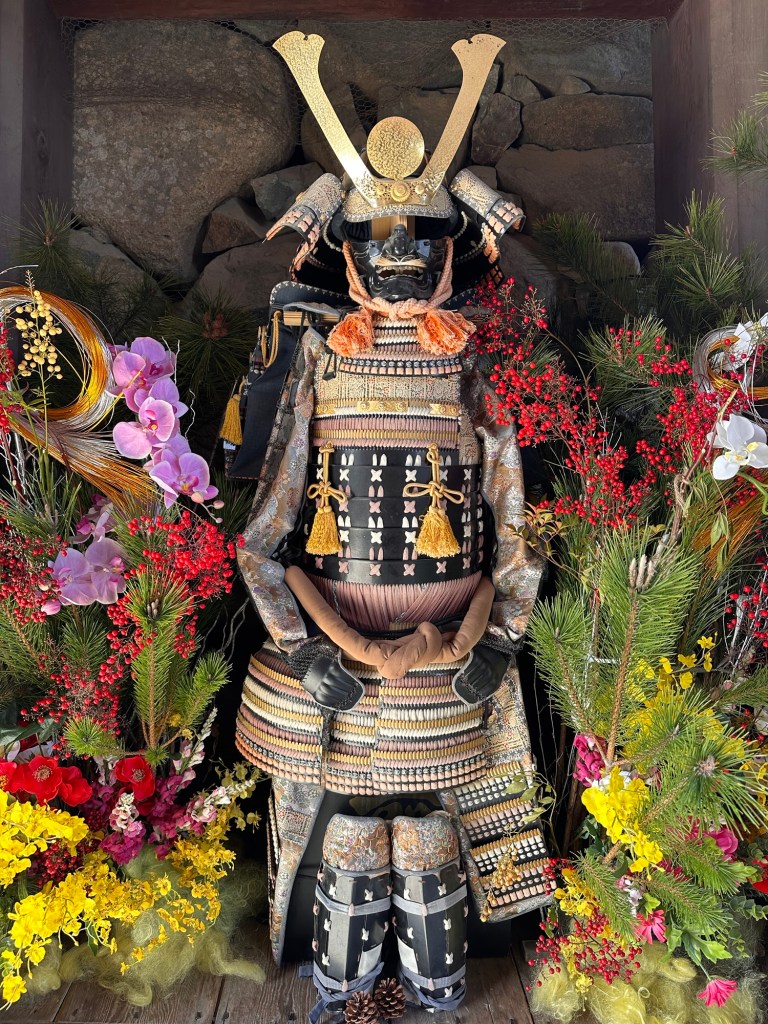
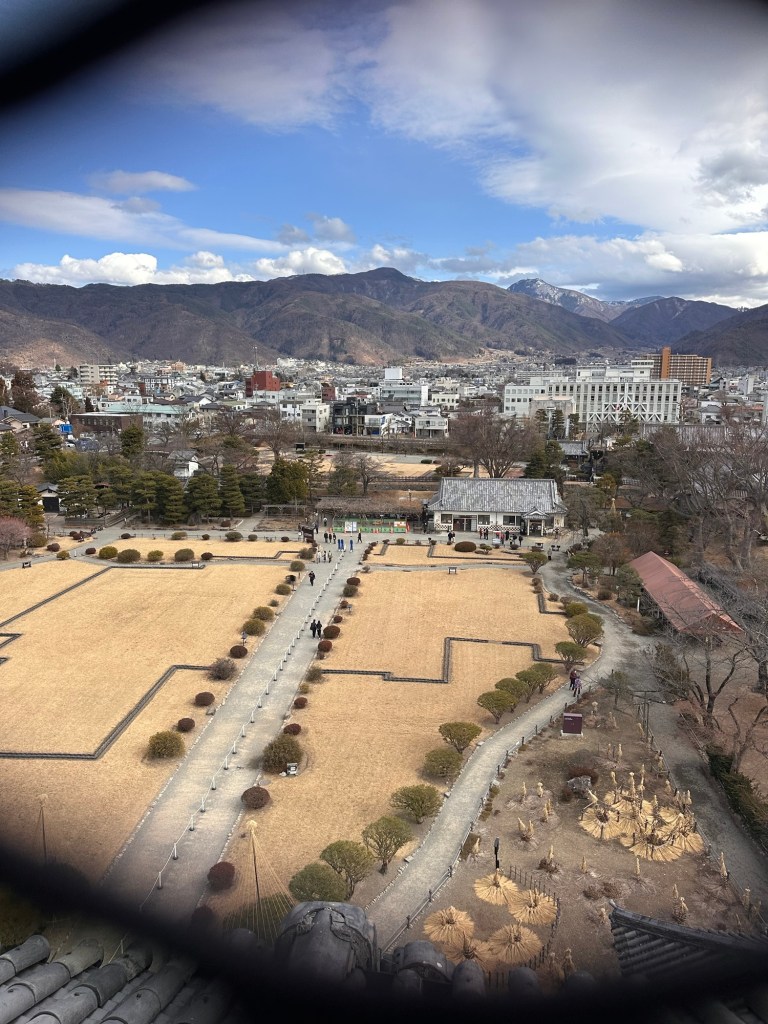
After landing, we visited the castle, where we had to take our shoes off to walk around several FREEZING wooden floors with only our socks on. After taking a masterclass in Japanese weaponry, courtesy of a special exhibition in the castle, we quickly checked out the view from the top and retreated back to our shoes. It’s worth saying that the Edo period (1600-1860-ish) in Japan is fascinating. It’s when a lot of the castles were built, and it hosts many tales of warriors, feuding families, and assassins!
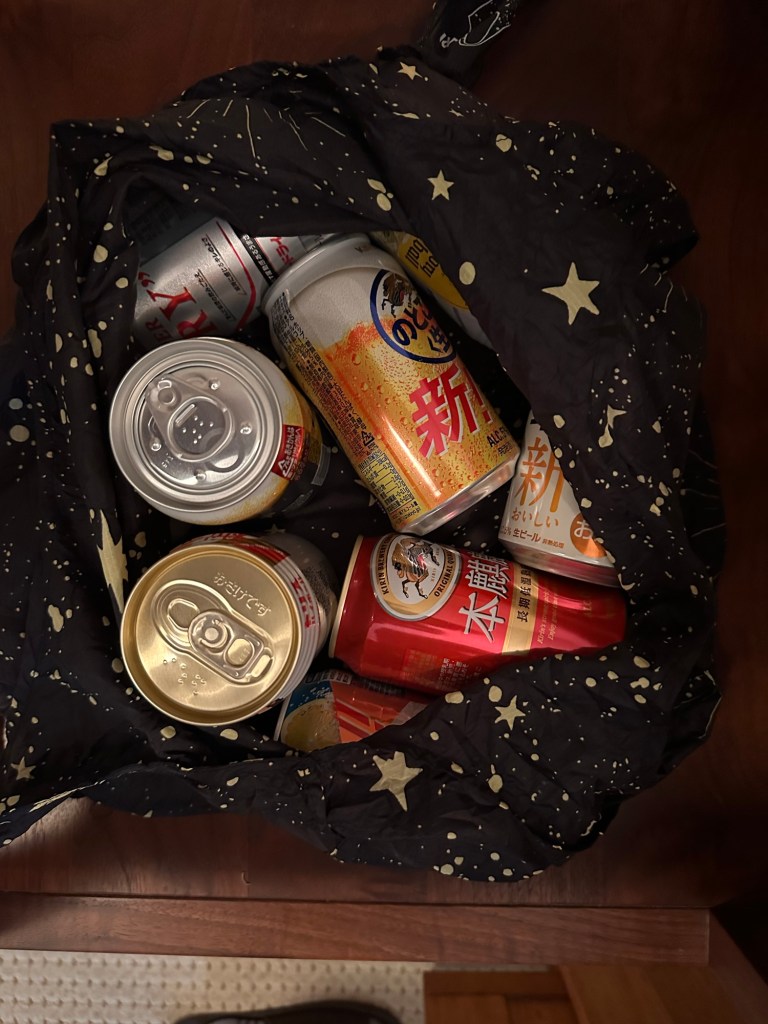
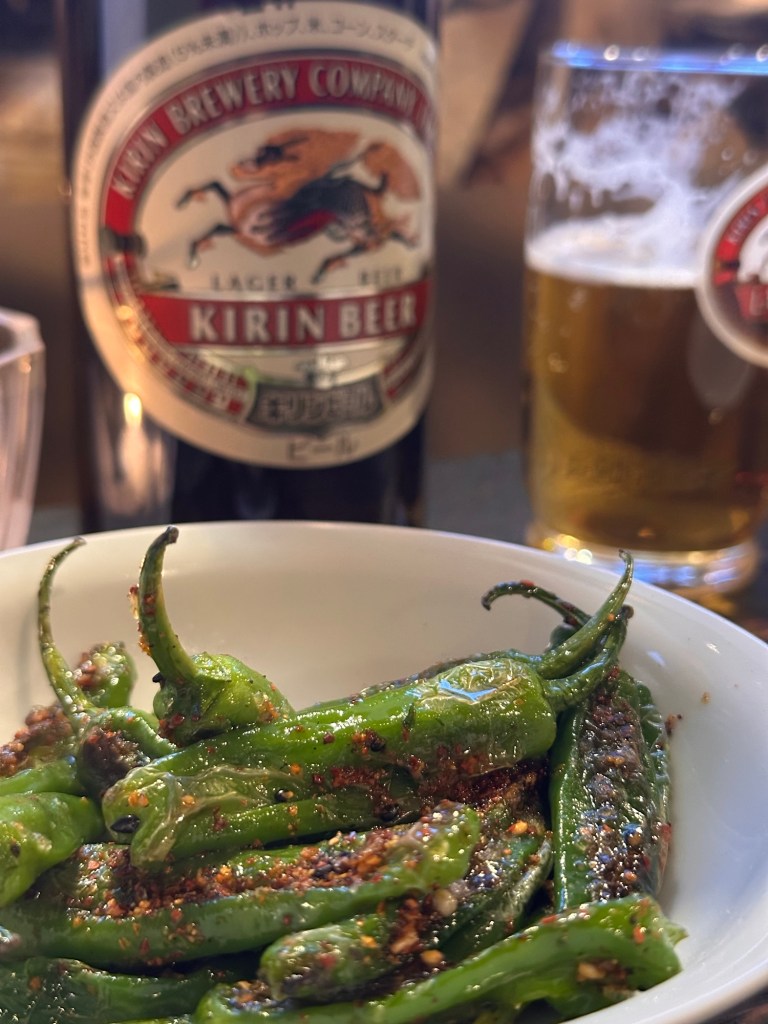
We headed to a big supermarket (our fave was Aeon) to pick up some supplies as we were heading straight into the mountains and staying at a remote hotel that advised bringing snacks and food. Several of our favourites were purchased – cans of Whisky high balls and Kirin beer, various noodle cups, egg sandwiches, chocolate-covered almonds, and boiled eggs! Our hire car was another cute Nissan, a model generally only available in Japan, and I did wonder whether it would get us up the snowy mountains ahead with its tiny wheels and engine, it did however have decent tyres ❄️
As soon as we left Matsumoto, the mountain scenery kicked in, beautiful alpine vistas all around. And in typical Japanese fashion, loads of super long tunnels cutting through the hills. The roads were quiet and the snow was manageable, even if the car sounded a little weak when trying to climb some of the ascents. I think the engine was less than one litre! 🫣
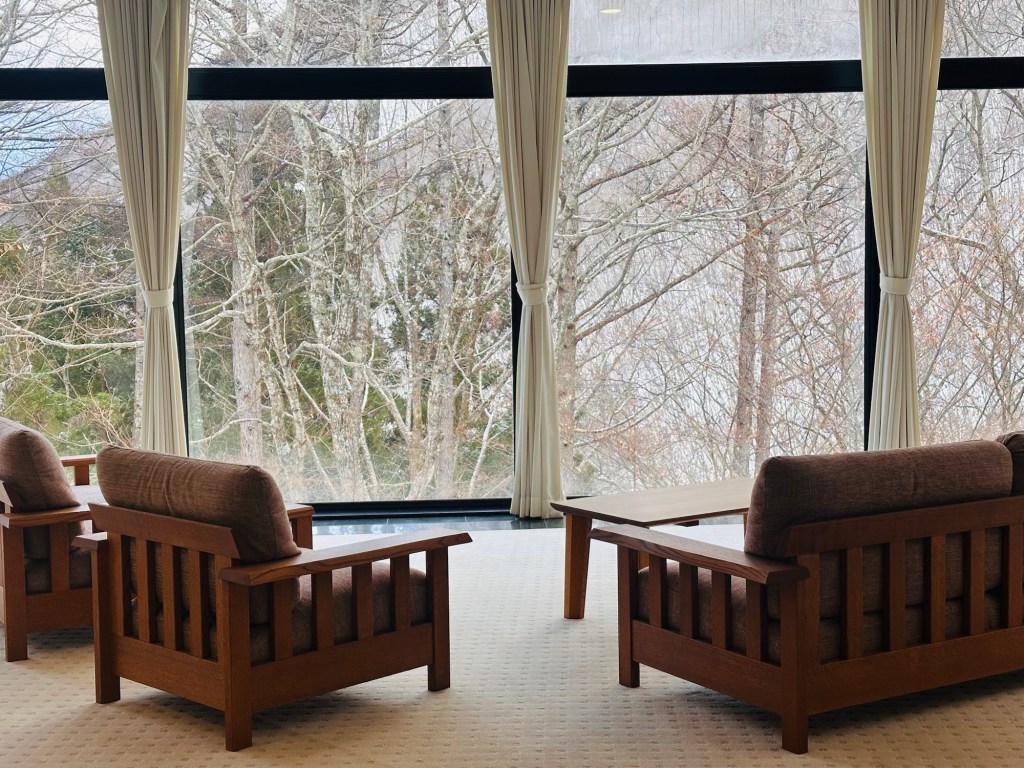
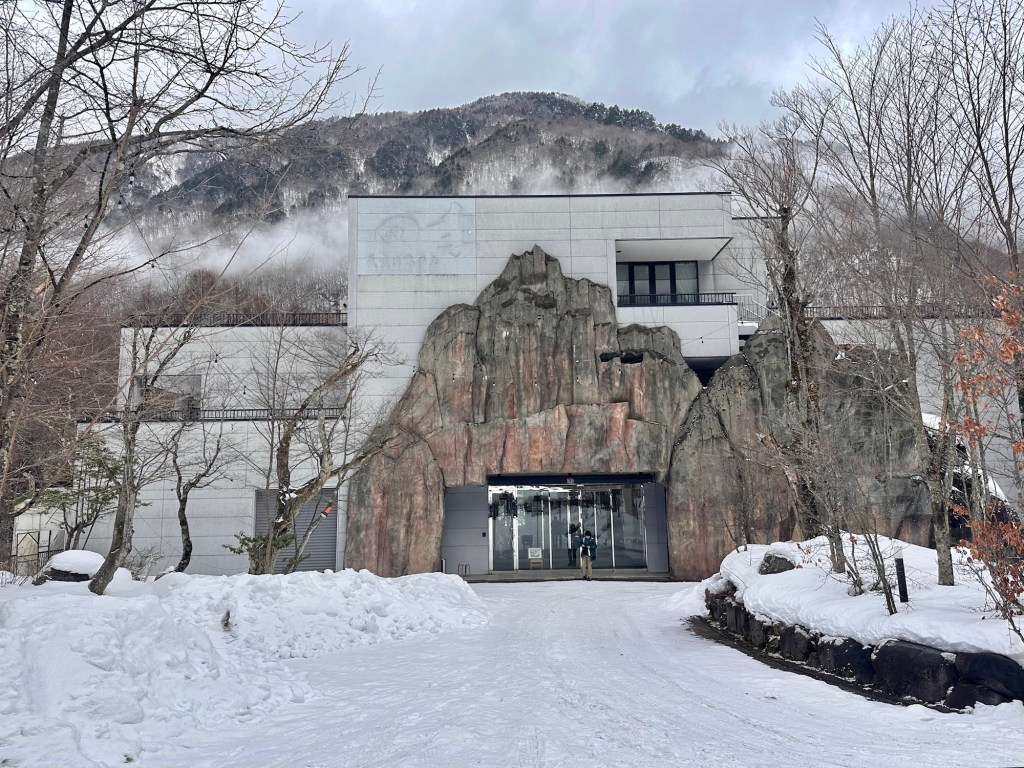
Our hotel for the next two nights had an interesting appearance, half pretend rock, half modern. It had a Shining-like vibe as soon as we entered, with one member of staff checking us in, and no other guests visible, and an endless winter visible through every window. Our room was huge and we had our own private Onsen, which was a bonus.
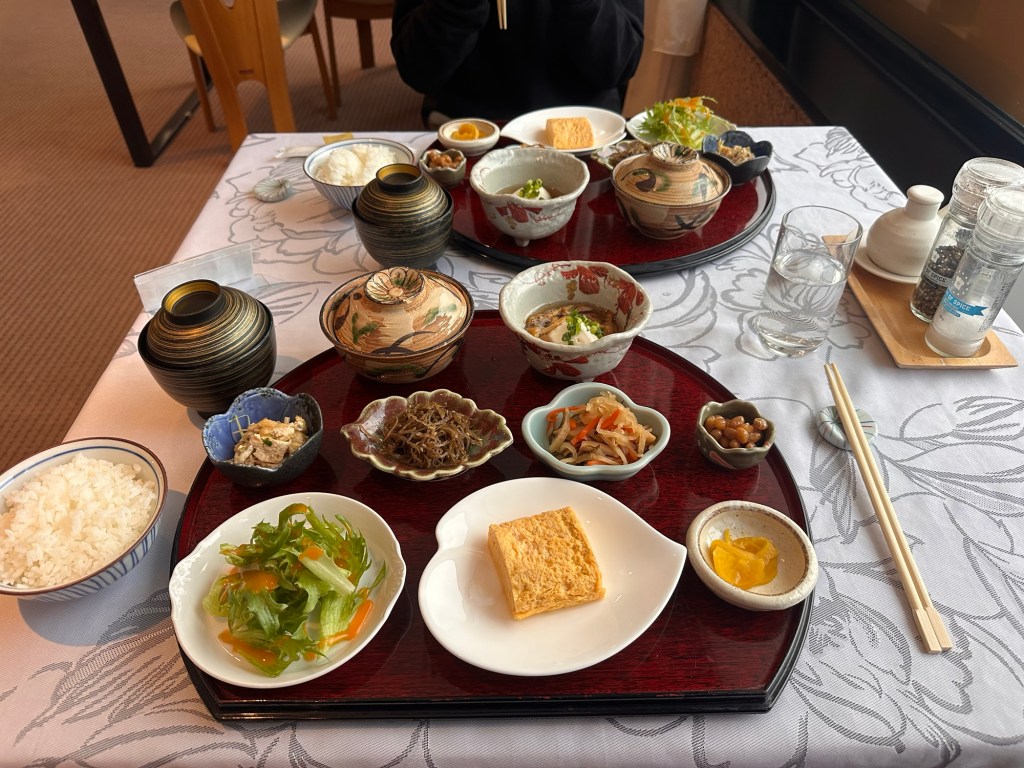
We woke the next morning to find the hotel did in fact have other guests, but not many. Our breakfast was western style, and to Carmen’s disappointment, other guests were being served a traditional Japanese breakfast – after enquiring why we had western, we were informed they varied what was served on different days and we would be getting Japanese the next morning. 😅 Carmen was relieved!

Hida Honoki Daira
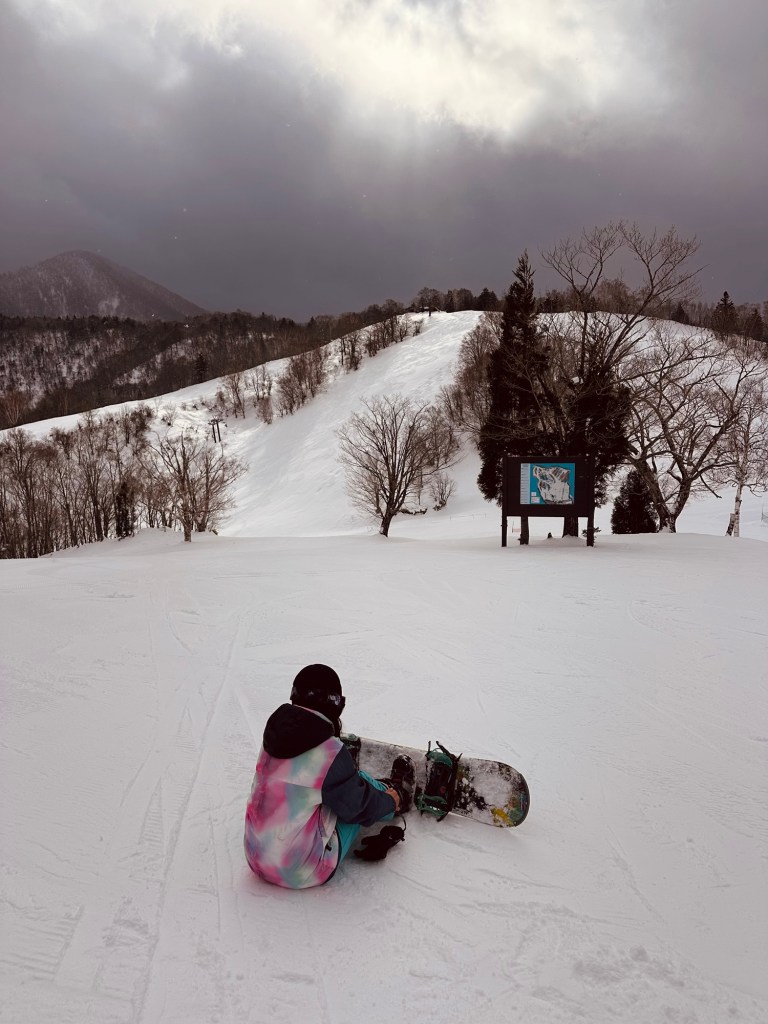
Our plan for the day was to snowboard at a nearby resort called Hida Honoki Daira. It was only about a 20-minute drive from the hotel. The resort had a large car park where we could easily get a space, and there was a range of hire shops that you could rent gear from. I’d picked what seemed to be the most popular place with the best range of boards and clothing. Within five minutes, we were kitted out with good-quality jackets, pants, boots, and a board, all for about £50 with a full-day lift pass included as well. 🎿
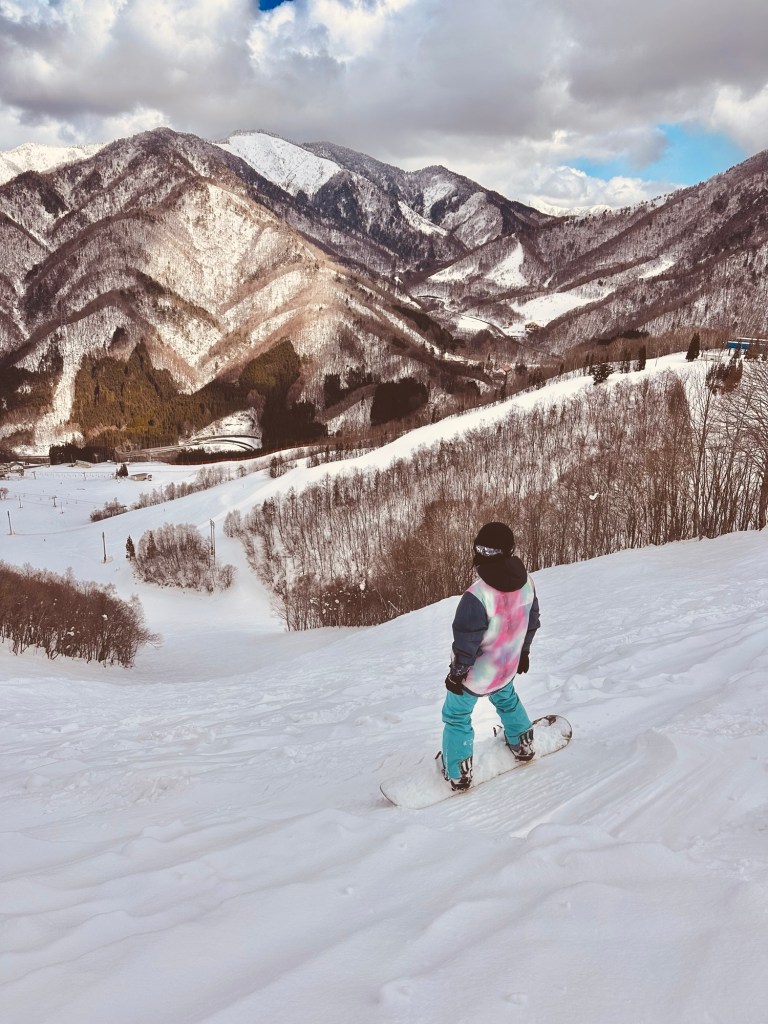
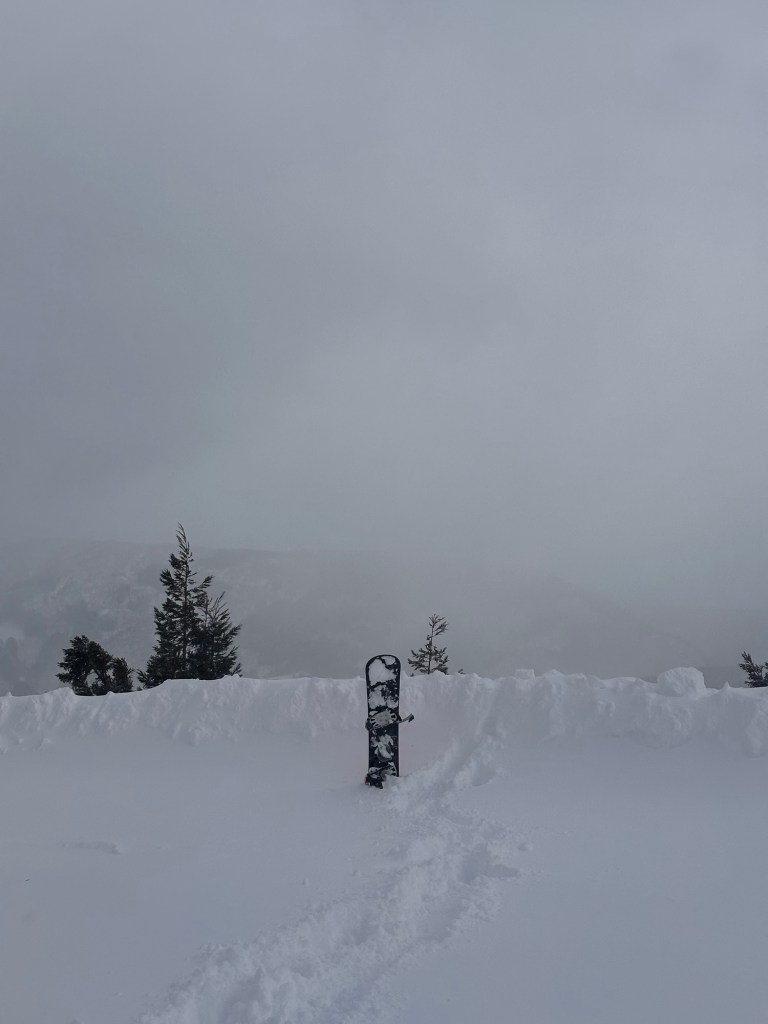
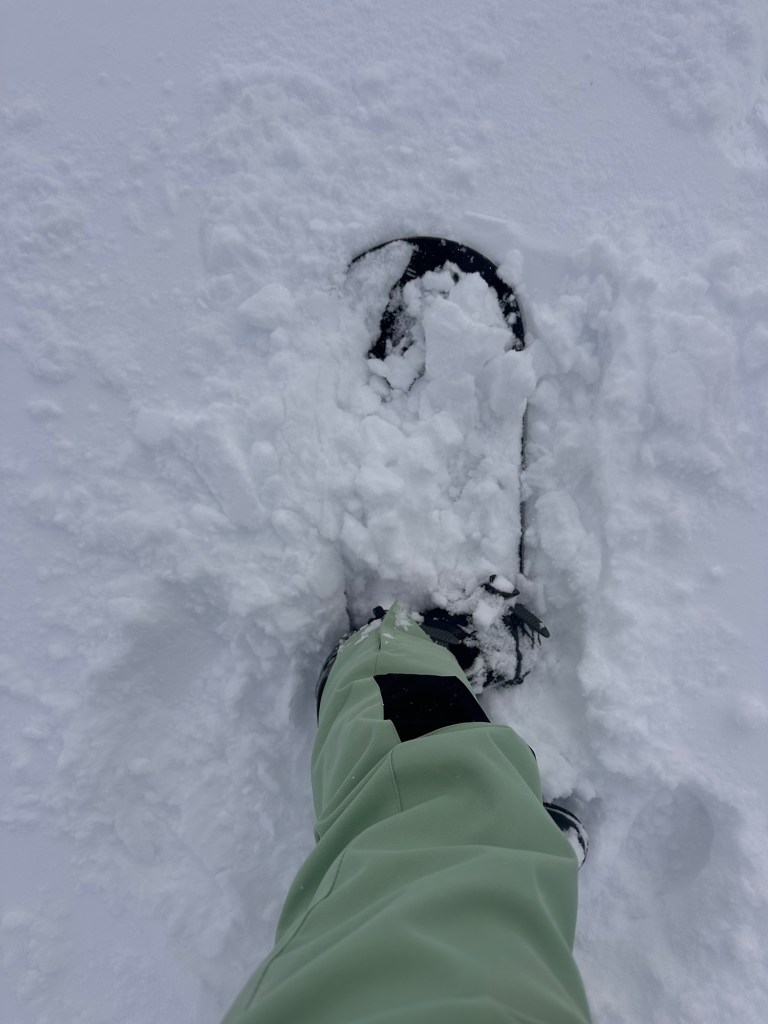
We jumped on our first lift and realised the resort was very quiet – no queues, no busy pistes, no ski schools, and lots of fresh snow! The runs were great and the mountains were easy to navigate. If this was a sign of what Japan had to offer, we were in for a treat over the next few weeks as we worked our way through the Alps and further north.
We brought lunch with us as we weren’t sure what would be available at the mountain, but we needn’t have worried; there was a place selling ramen, curry, and more— all with very low prices. However, we kept the budget lower and ate our egg sandwiches in the car before getting back on the piste.
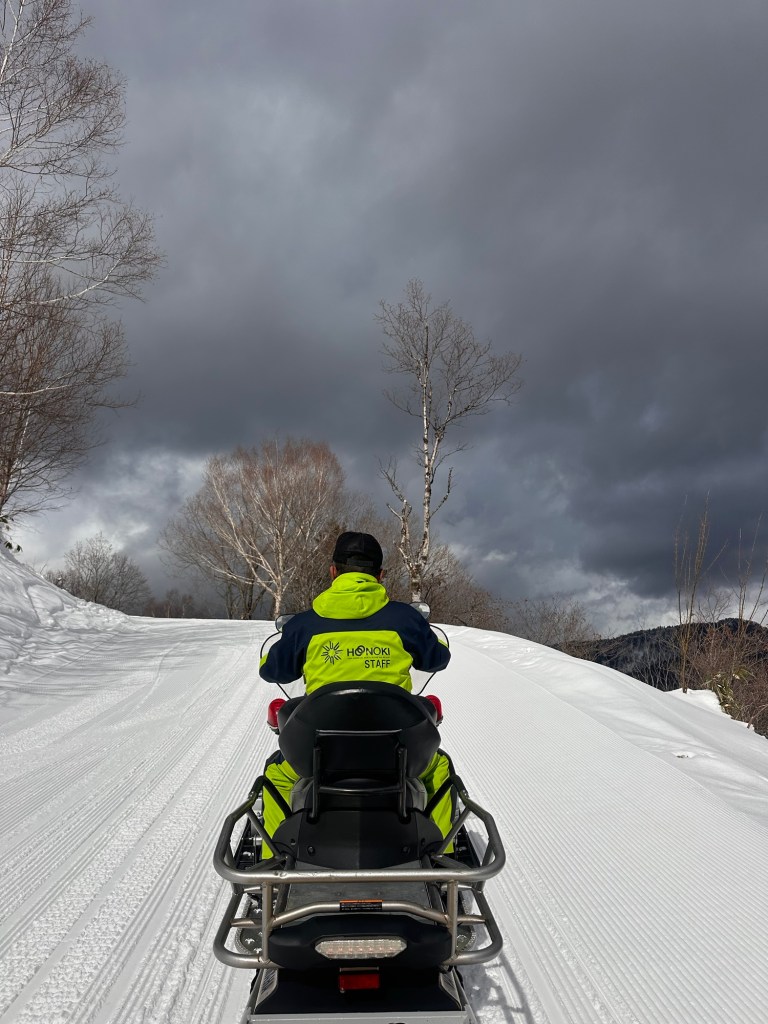
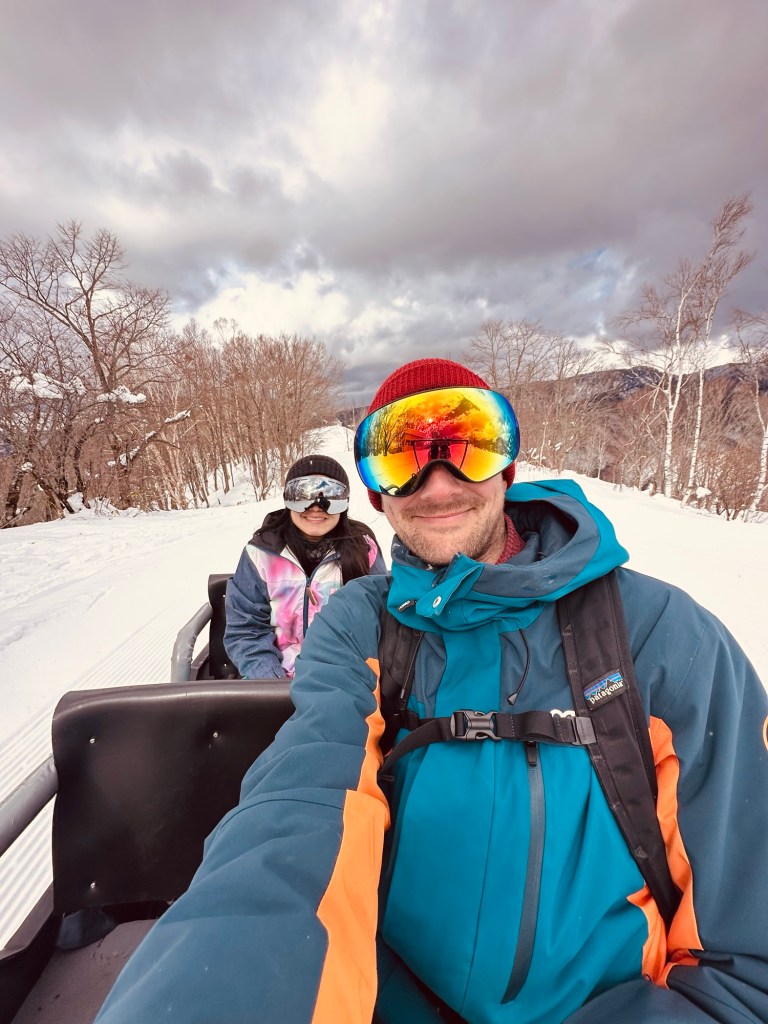
🚡 One amazing discovery was an area of the mountain where there were no ski lifts, but instead, a guy and a snowmobile who would kindly take you up the mountain to access a few extra runs. We had lots of fun riding the snowmobile.
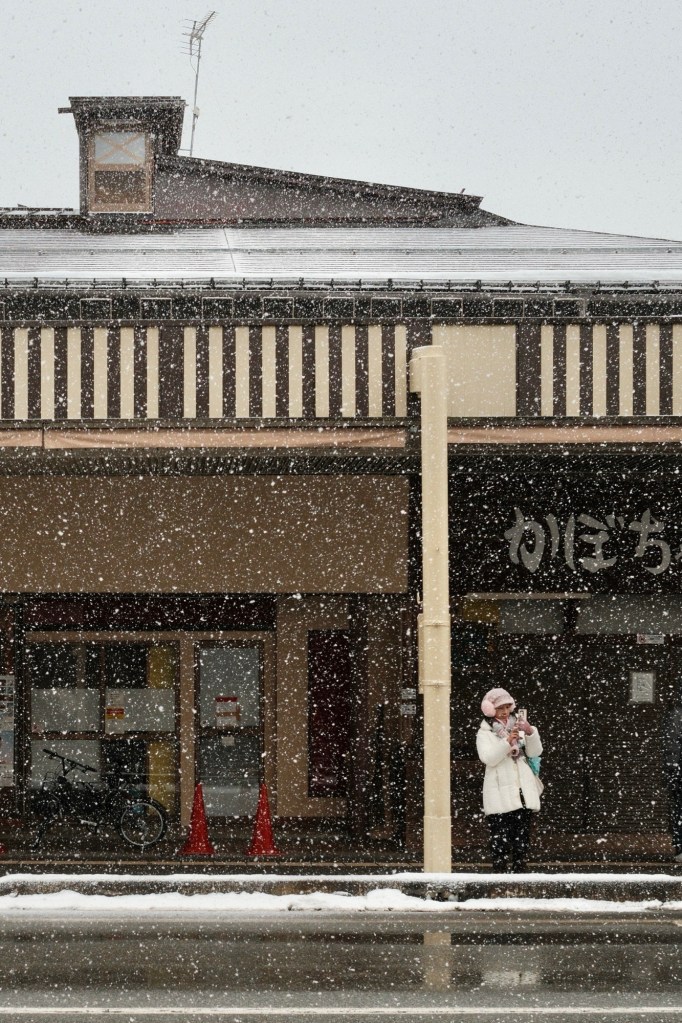
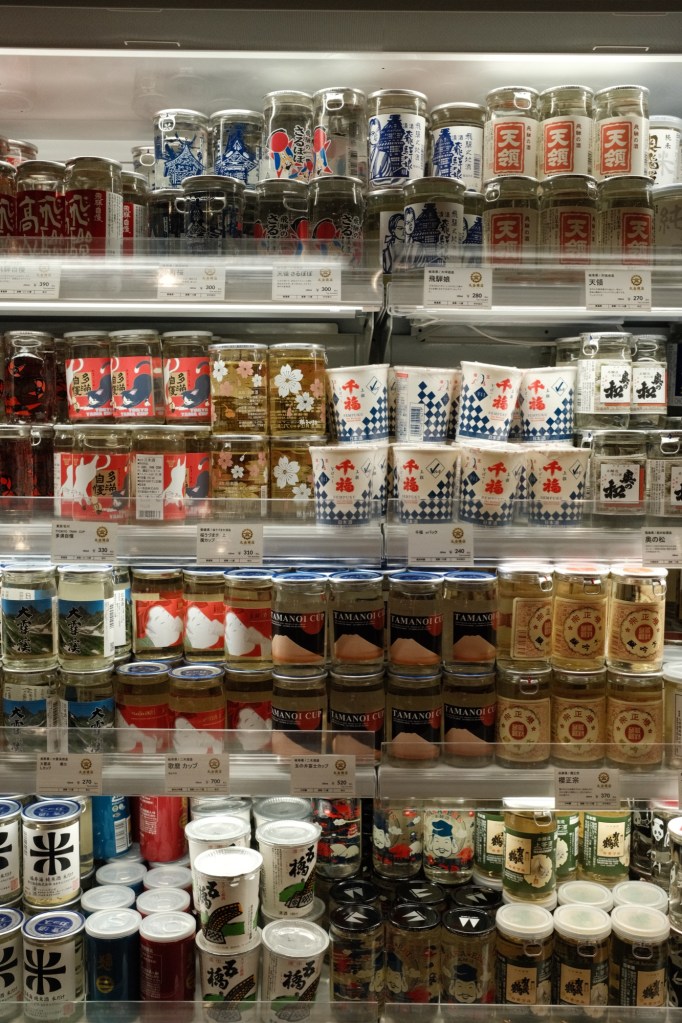
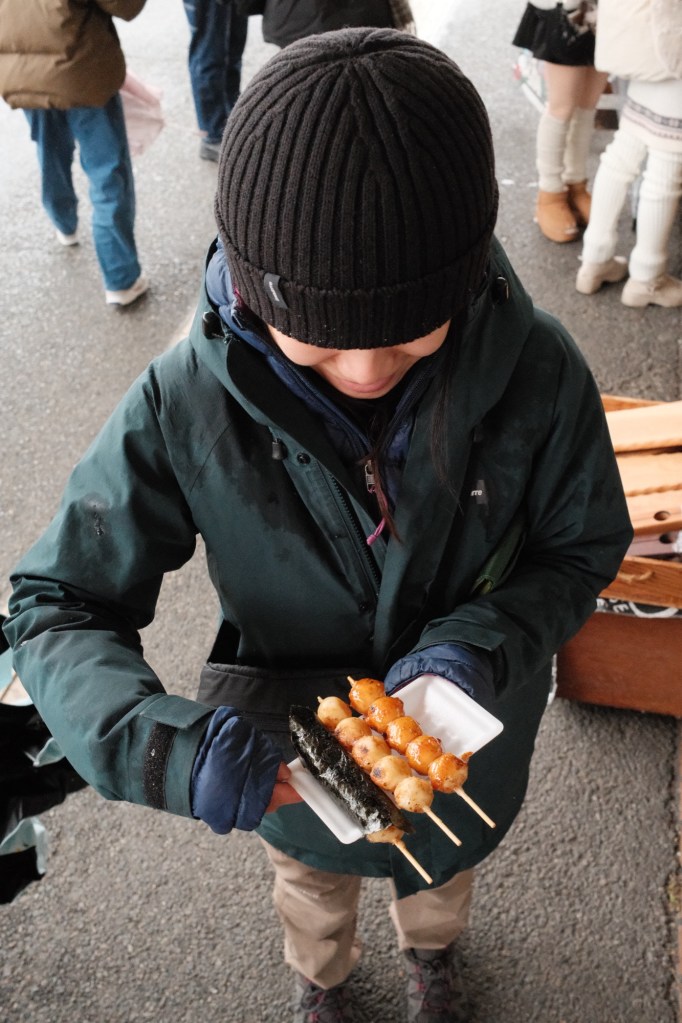
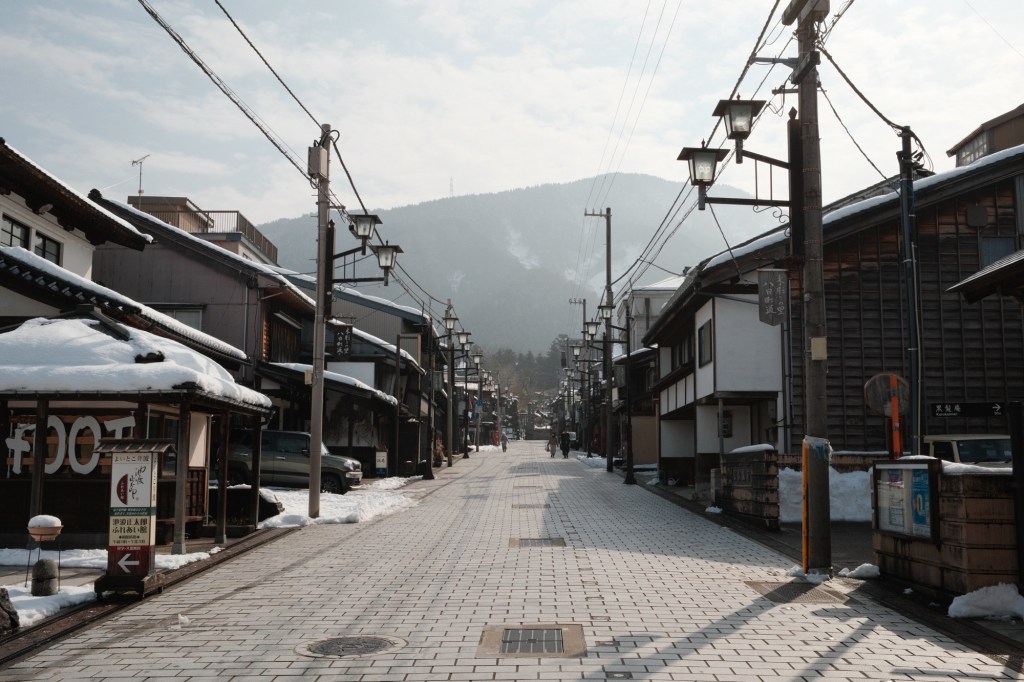
The next day, we devoured a traditional Japanese breakfast and got on our way. First stop was the town of Takayama, where we stopped for a wander through the shopping streets. We stopped at a cool sake shop where you could sample loads of different varieties via an automated dispensing machine. We loaded a card with some yen and got sampling. The price of sake in Japan is such good value, as there’s so much available and it’s a staple of life. We also ate Mitarashi Dango skewers (rice balls) and bought some cookies.
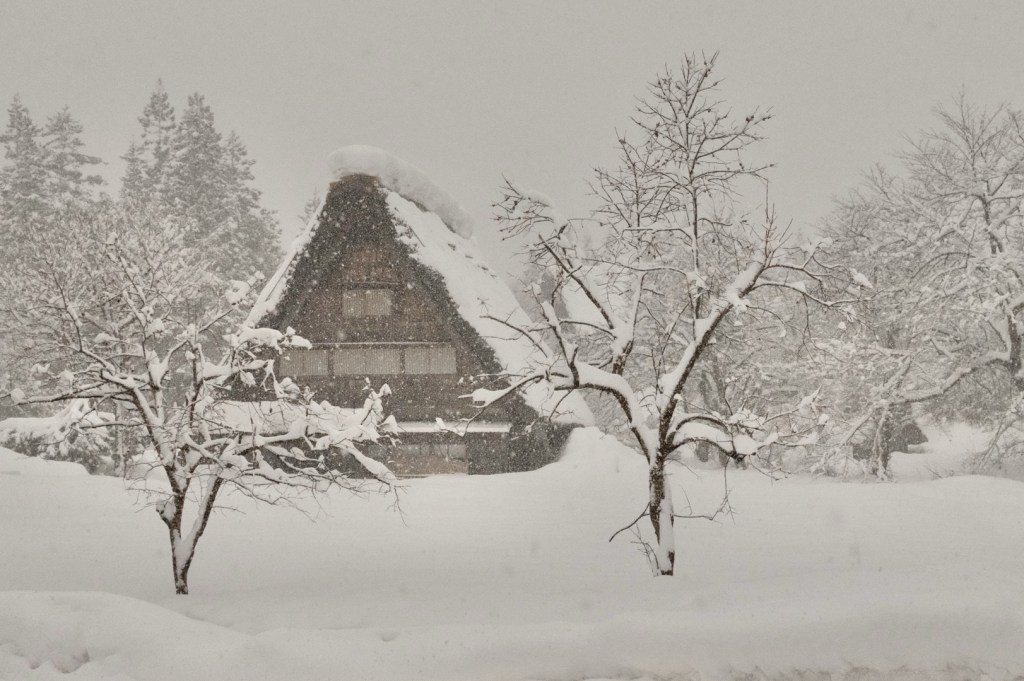
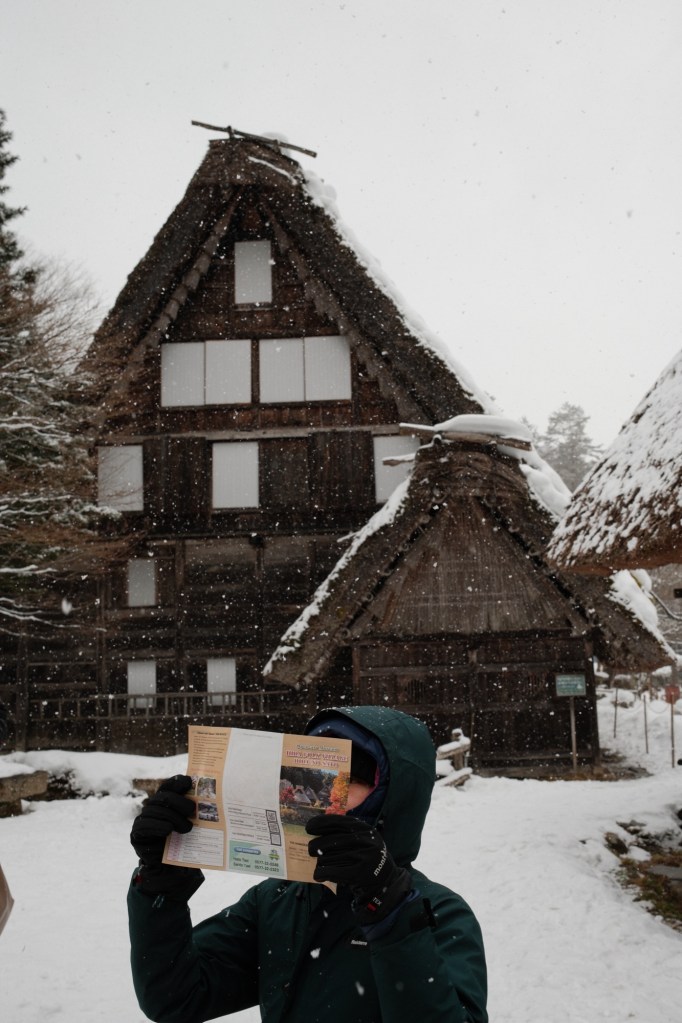
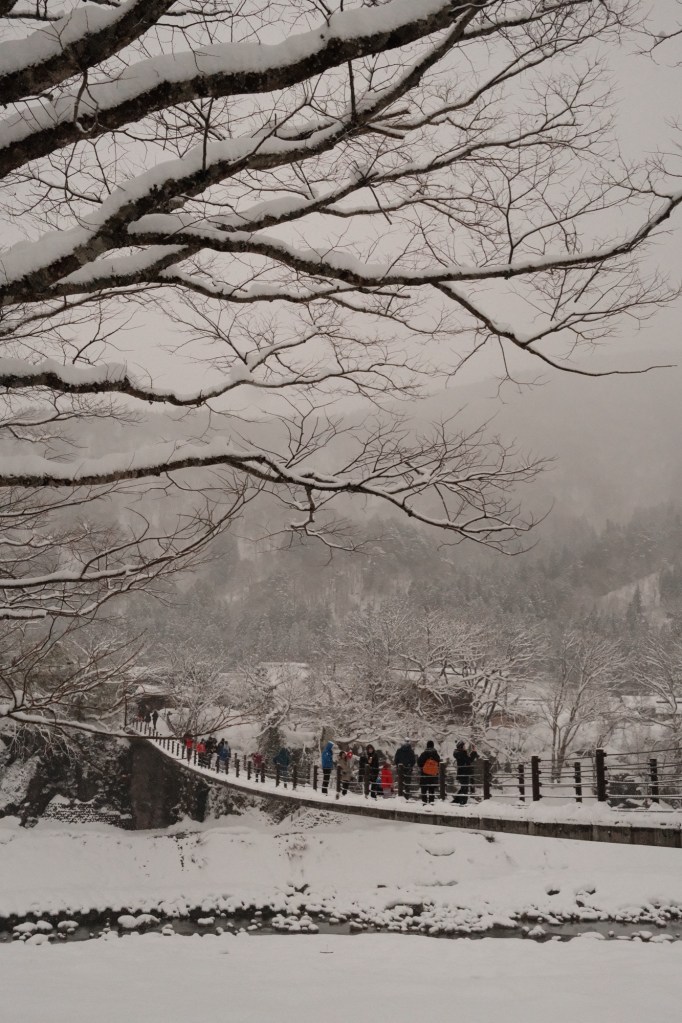
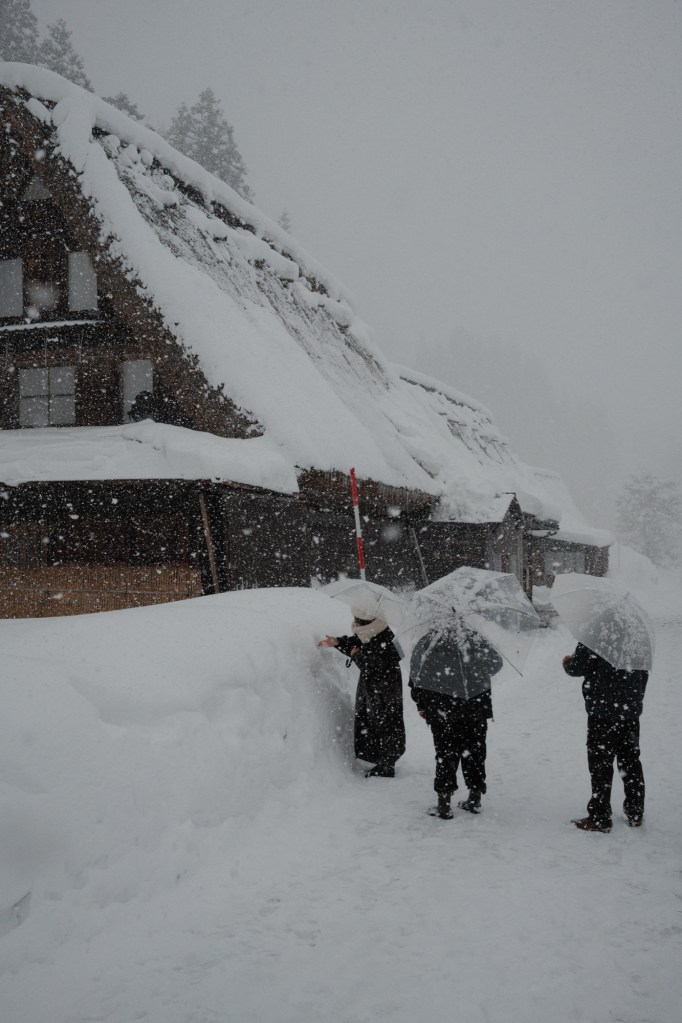
Next stop was Hida Folk Village, a preserved traditional village of Japanese alpine wooden buildings, most of which are a-shaped structures, covered in snow. We made one more stop at another traditional village just before sunset before making our way to one of the coolest guest houses we stayed at. Old on the outside but brand new inside, we were confused at how reasonably priced it was for the quality available. We shared it with a nice couple from South Korea, where we shared travel recommendations and sake.
Taira Ski Area
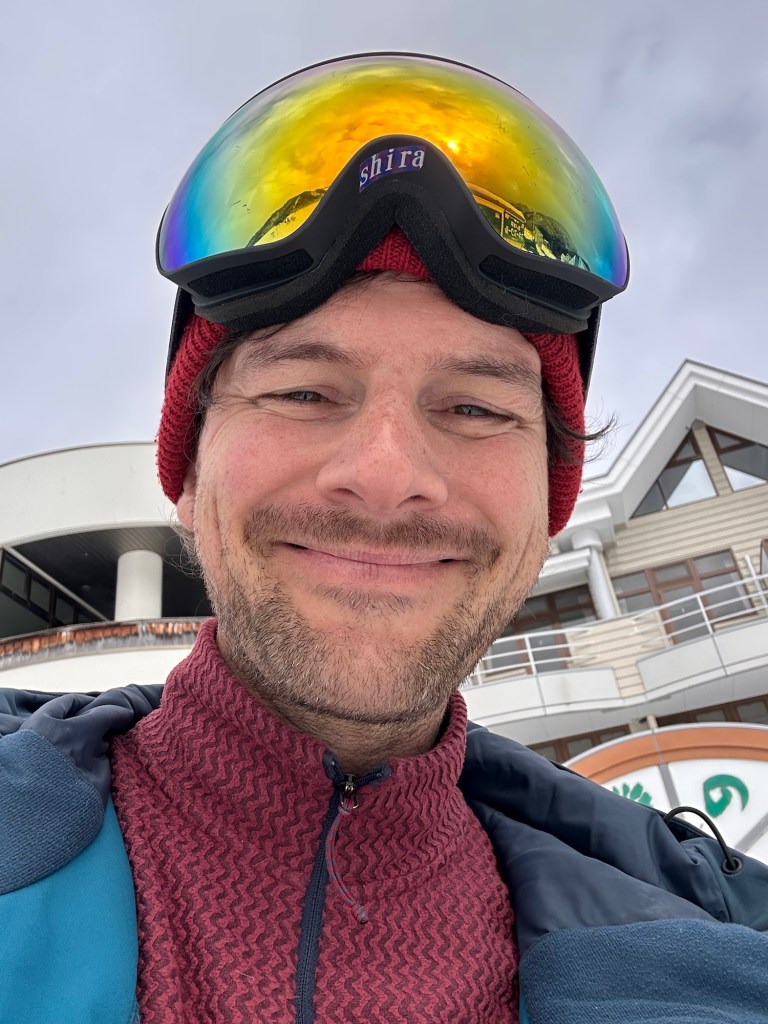
It was time for ski resort numero deux, Taira Ski Area—we decided to opt for a half day on the mountain as it was a pretty small resort and visibility was low when we arrived in the morning. We did a quick stop at another traditional alpine village! (Yes, we really can’t get enough of these pretty a-shaped buildings), and then headed back to the pistes.
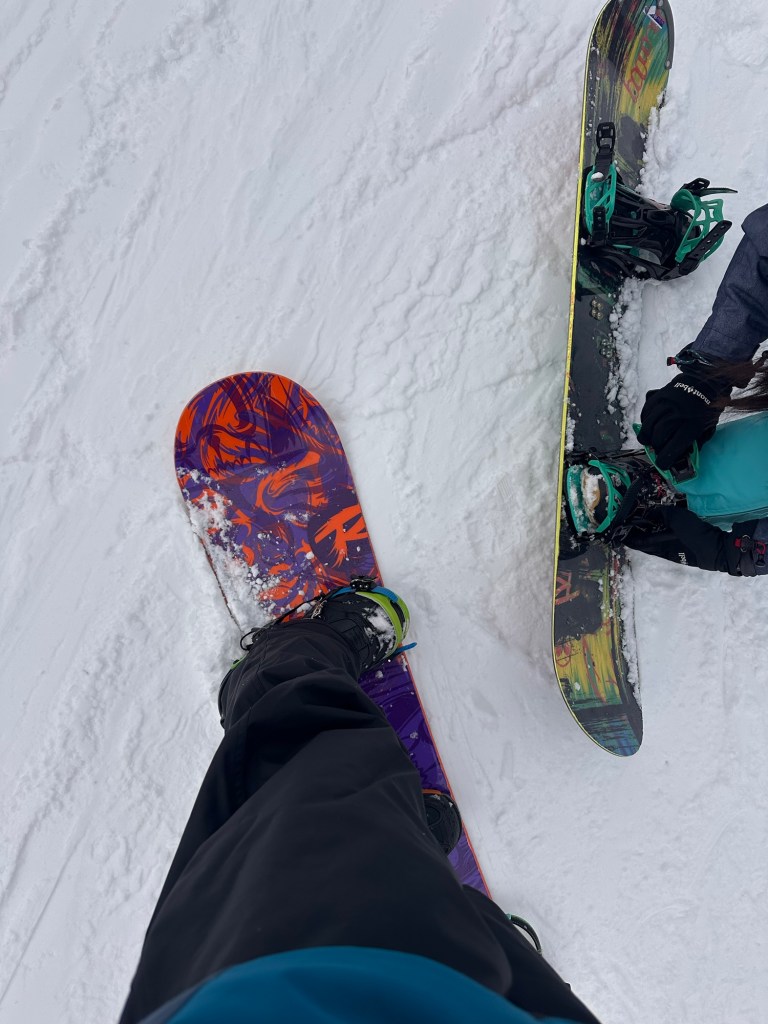
There was only one hire shop this time, a cool local spot with a nice guy running it. You needed to pick up a phone in the shop to get him to come from the restaurant upstairs to serve you. This time it was like going into Mr Benns (quick Google on that one if you’re not the wise), we got to pick our snow costumes from a few rails of well-used but also good-quality gear. My outfit was all Burton, for example.
The resort was nearly empty, but all the lifts were still running, and the pistes were in A-grade condition. We had fun riding the same runs many times before calling it a day. You start to wonder how the smaller resorts can still operate with low demand, but we presumed it does get busier at the weekends. If you’re interested, this is a great vid on ski resorts in Japan and how popularity boomed and then declined.
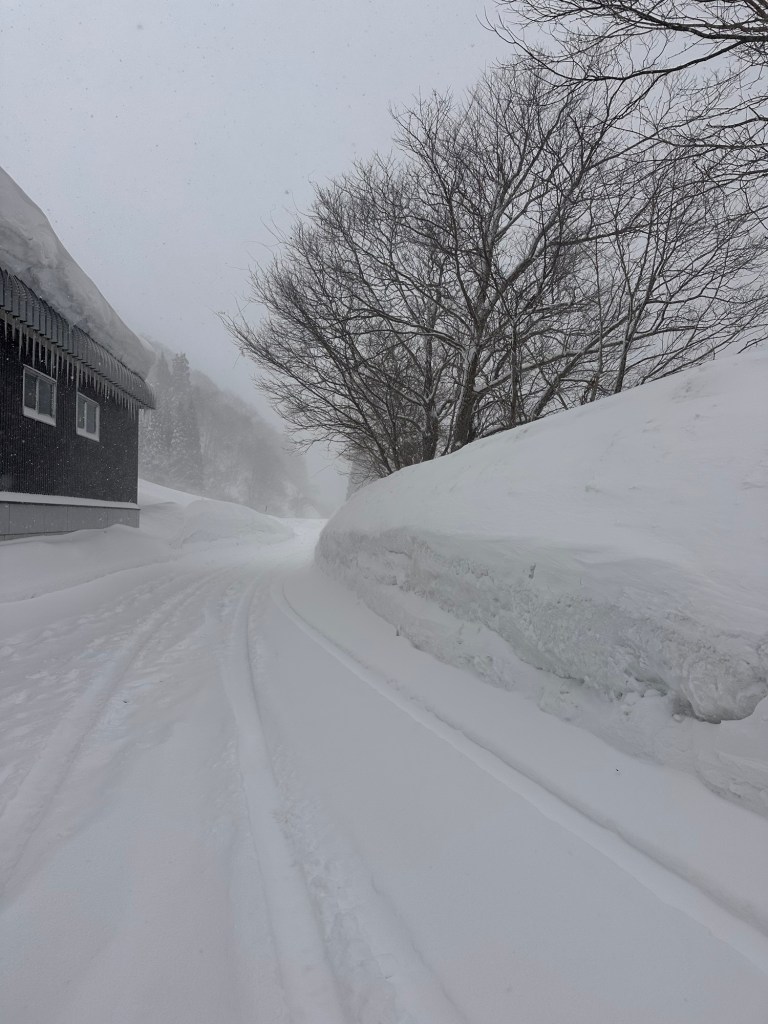
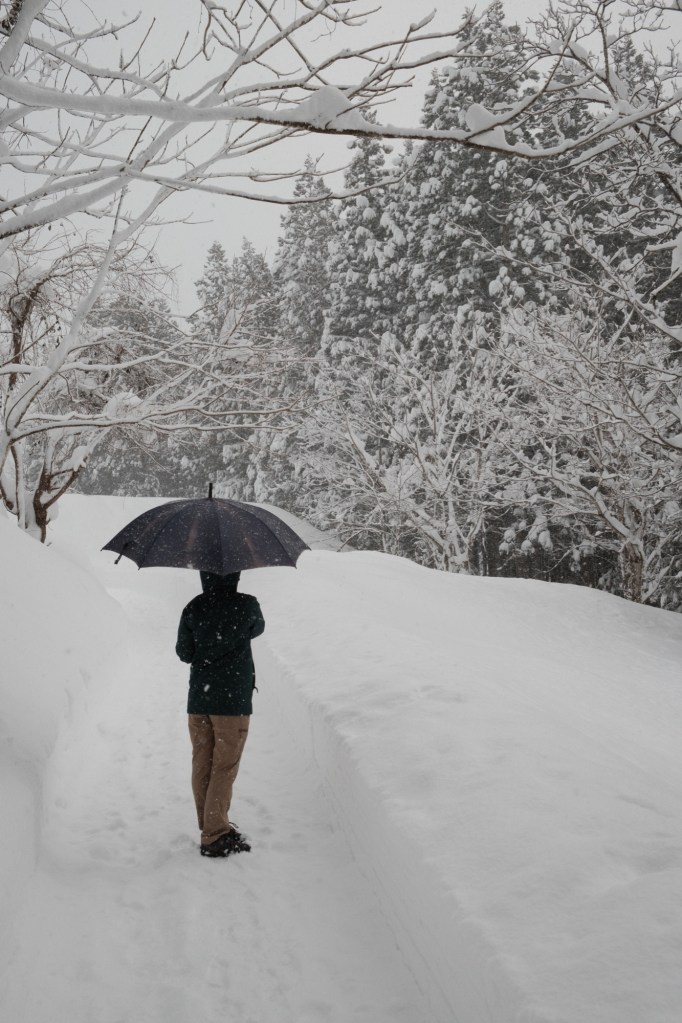
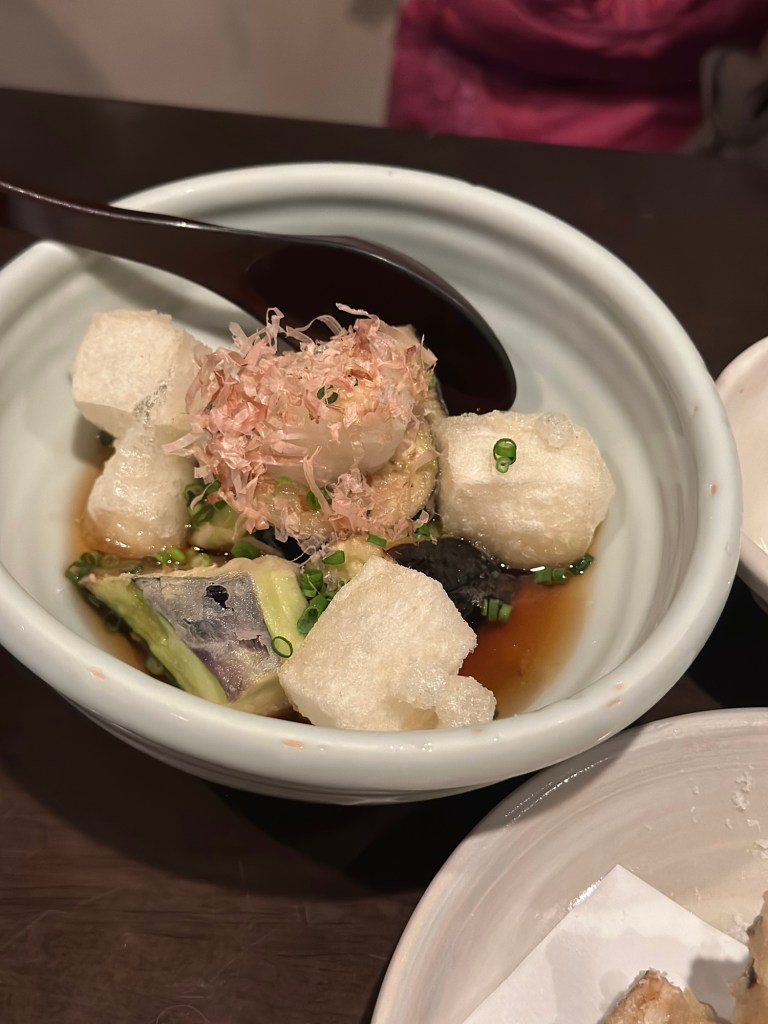
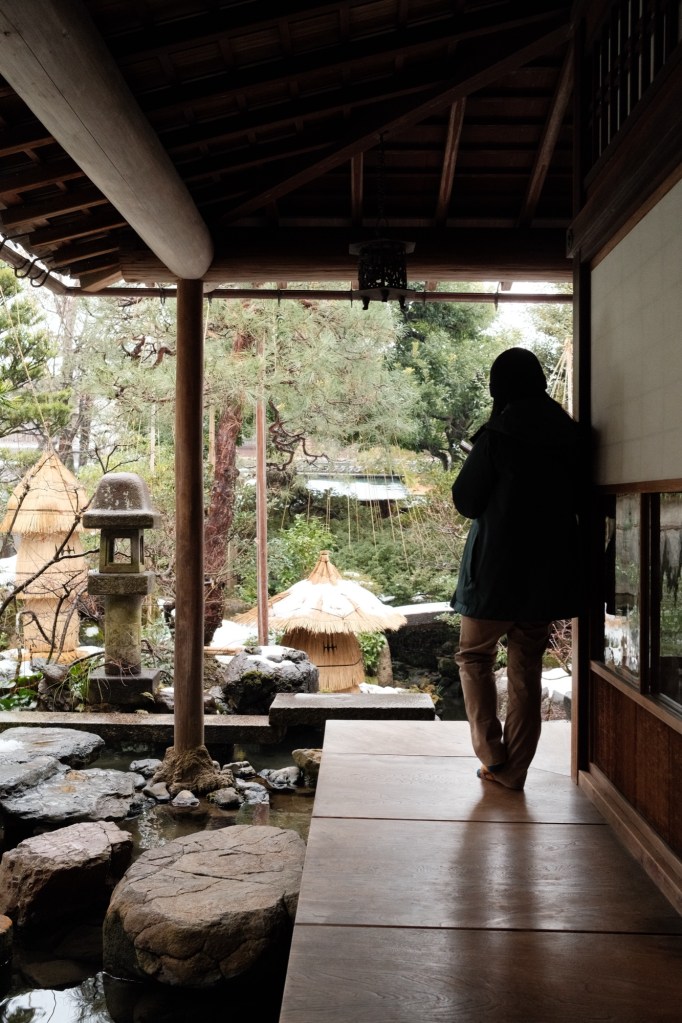
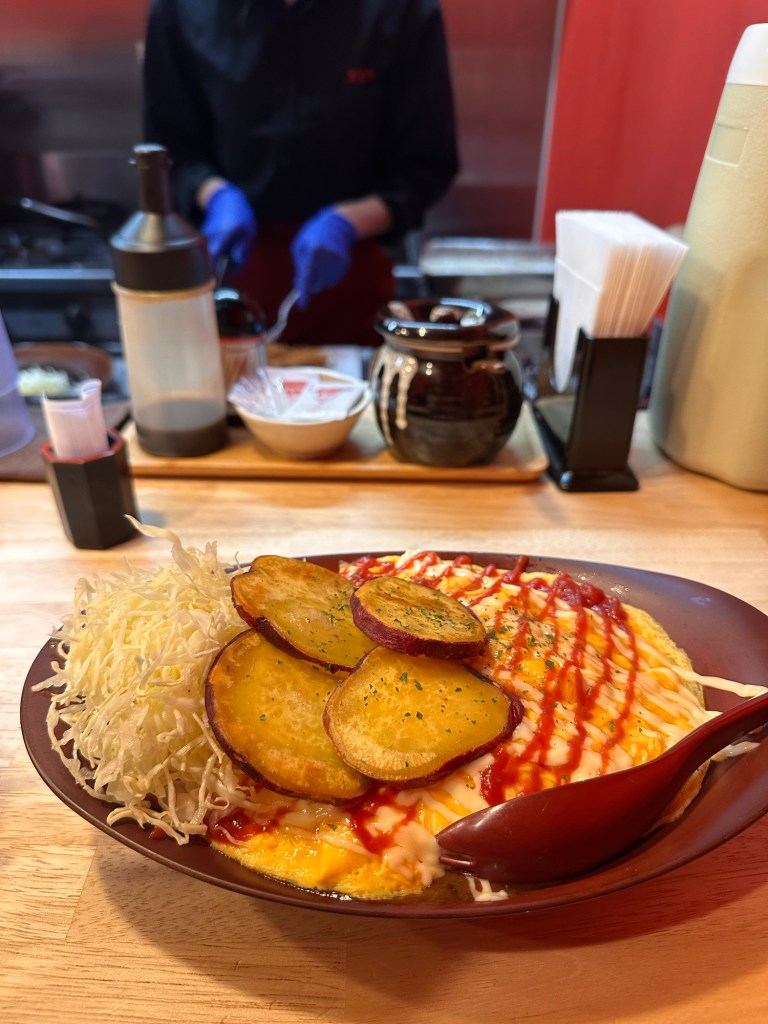
We would be spending the next couple of nights in Kanazawa on the coast, a much bigger city. Sadly, it rained for the entire time we were there, but it was still nice to visit. There’s an amazing park and a few museums worth checking out, and lots of good restaurants. More Mont-bell outdoor goodies were also purchased from a giant store 🛒
Kanazawa to Toyama Bay
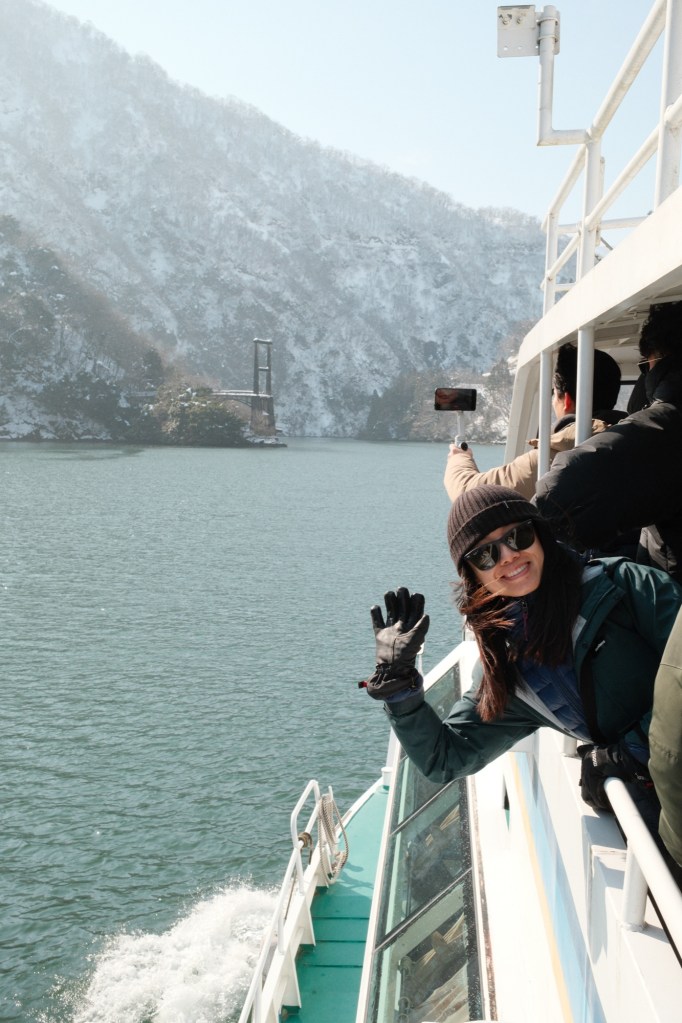
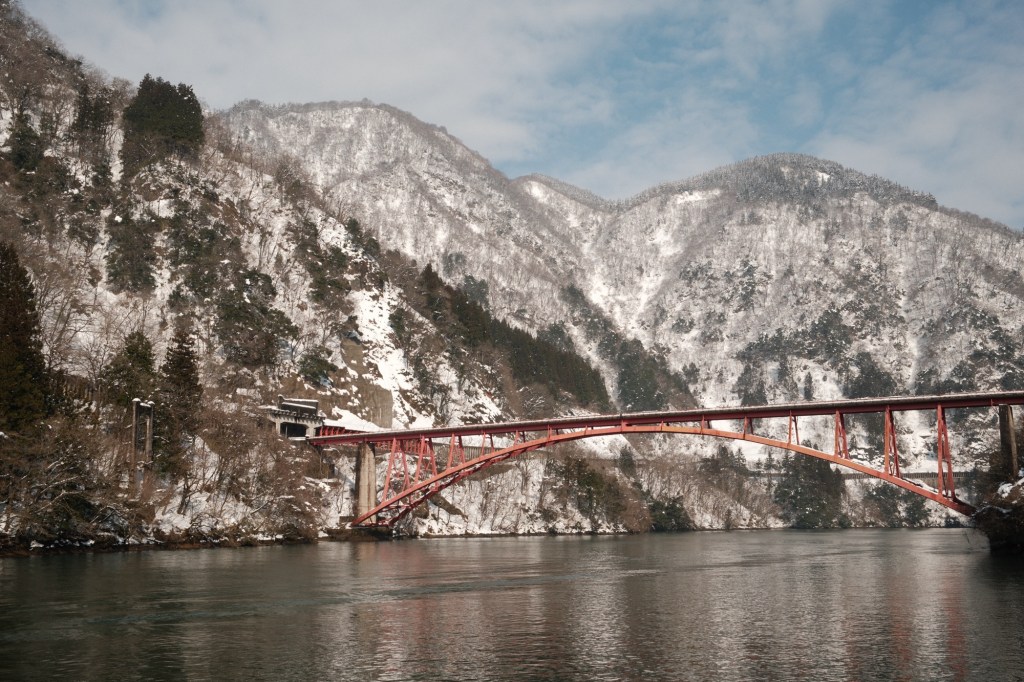
After Kanazawa, we made our way to Tonami to catch a sightseeing ferry up the river. It was only a short journey but a great way to see the mountains, water, and a few big bridges. Super cheap too, and it even included a set of postcards 🏞️
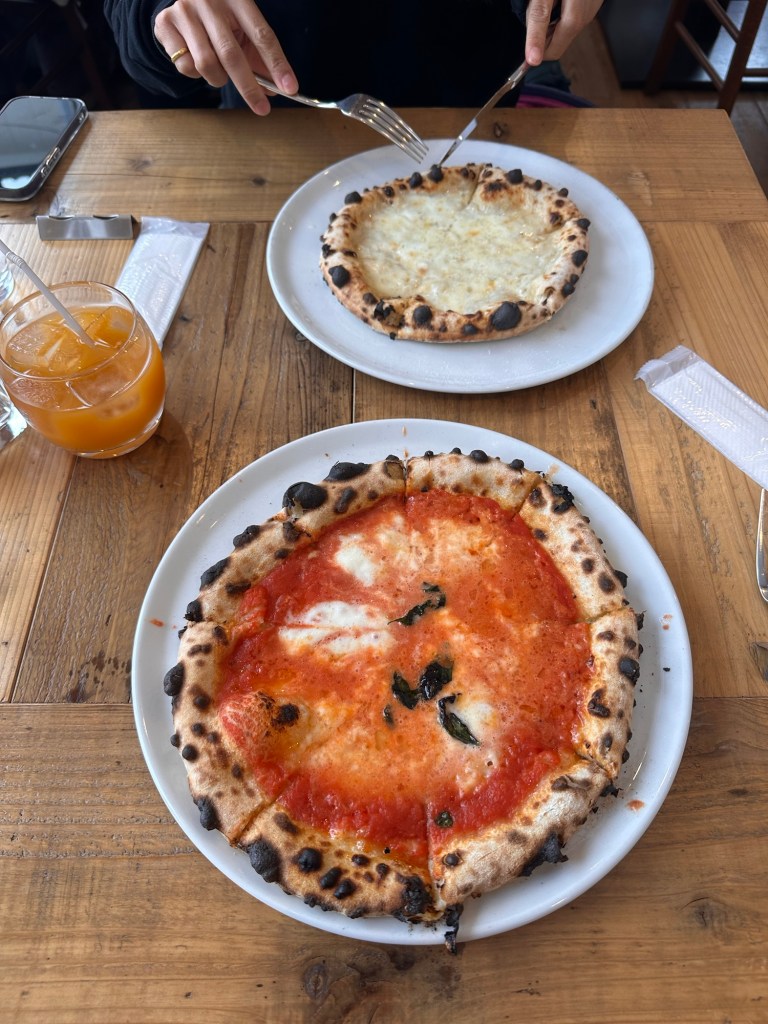
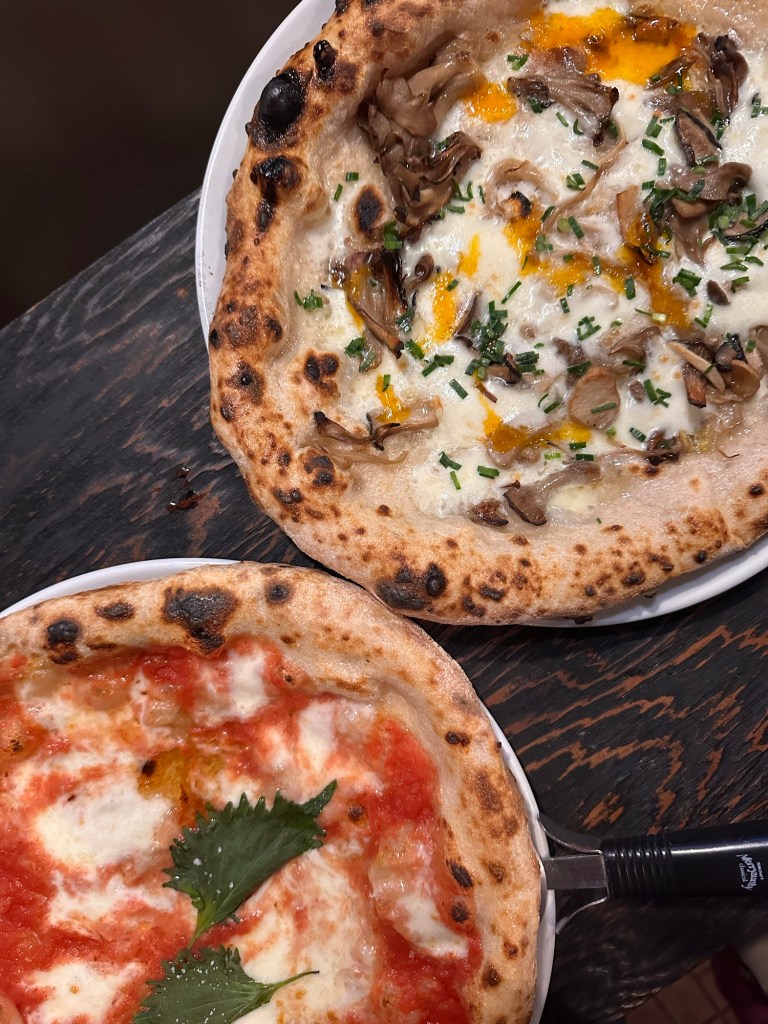
We continued to drive along the coast, stopping every hour or so. We stumbled on some seriously good pizza in the middle of nowhere at a restaurant called “O Maesto”. A husband and wife team serving up Neapolitan-style pizzas that were 10/10 quality; we couldn’t get over just how good they were. We stayed in Uozu on Toyama Bay in a non-descript business-style hotel which had a nice Onsen on the roof. I battled through any fears I had of visiting the shared Onsen and discovered only one other person in the baths.
Back into the Alps
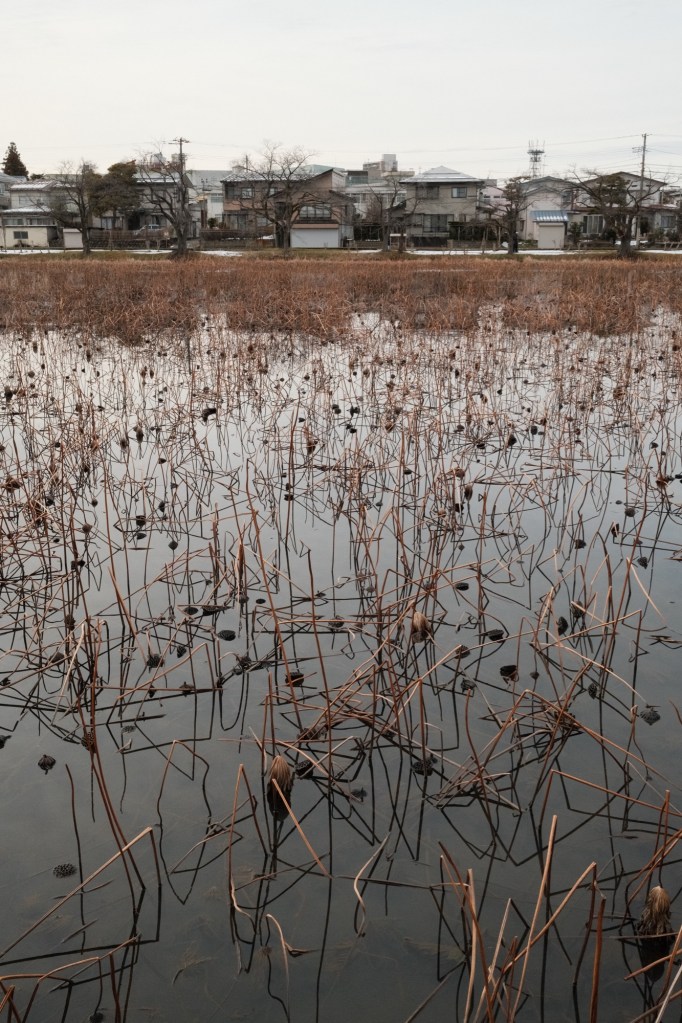
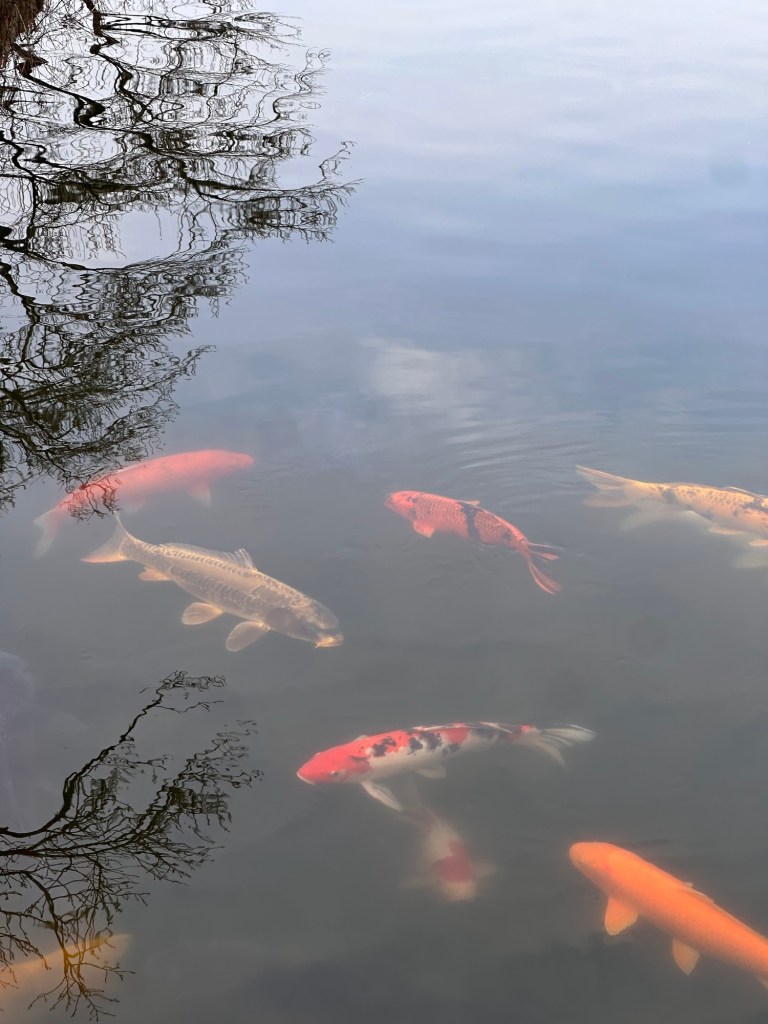
The next day we stopped in the city of Joestu to view another castle and a pretty pond, before making our way inland back towards the Alps. We went for more pizza in a ski resort that resembled something from Europe, named Myoko Onsen – maybe because it had so many intentional visitors. The pizza was an Aussie enterprise, also 10/10 on quality and flavour, called Ginza Pizza.
We spent the night at an old-style hotel with a communal Onsen, which was very nice. The next morning, they served us the biggest Japanese breakfast we had seen yet. We’re talking 10 different dishes and then extras on the side – we were stuffed. They also had the Japanese morning news playing on a giant screen.
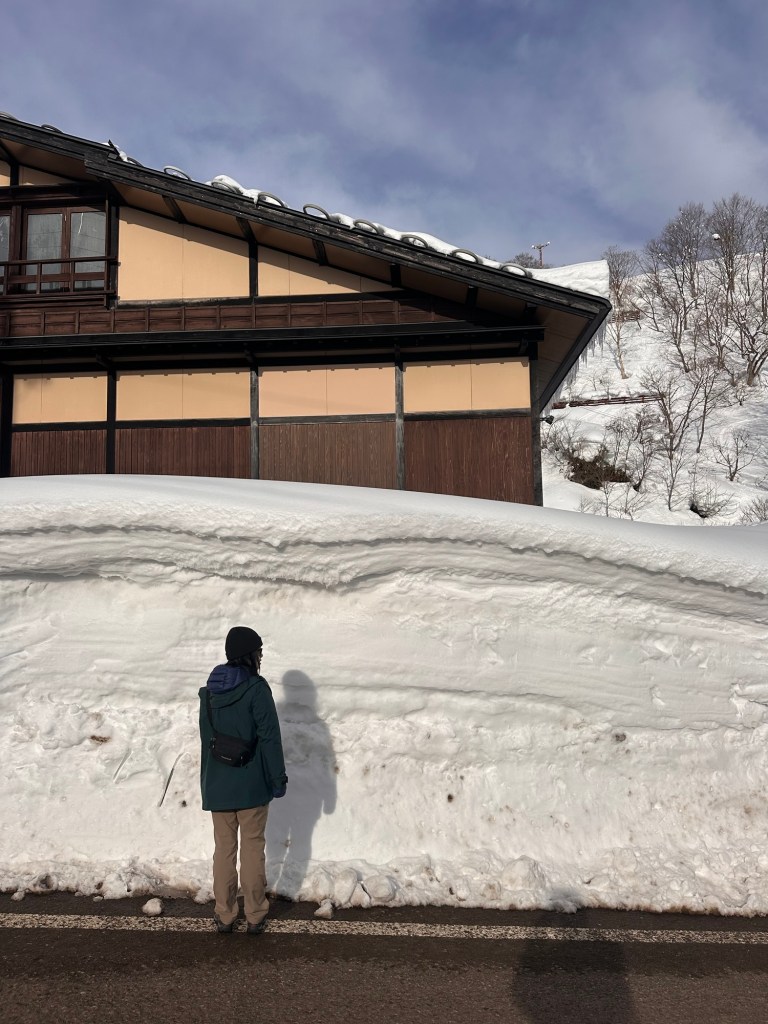
We made our way to a cult-famous ski resort called Seki Onsen, which is celebrated for having some of the best un-groomed snow in Japan. It’s a small family-run operation where the owner regularly sells the tickets and provides the equipment. We were both excited to snowboard here, but on inspection of the snow, we decided against it – it hadn’t snowed for a few days, and the pistes were icy and chopped up. The depth of snow at the resort was huge, though. We’ll be back another time.
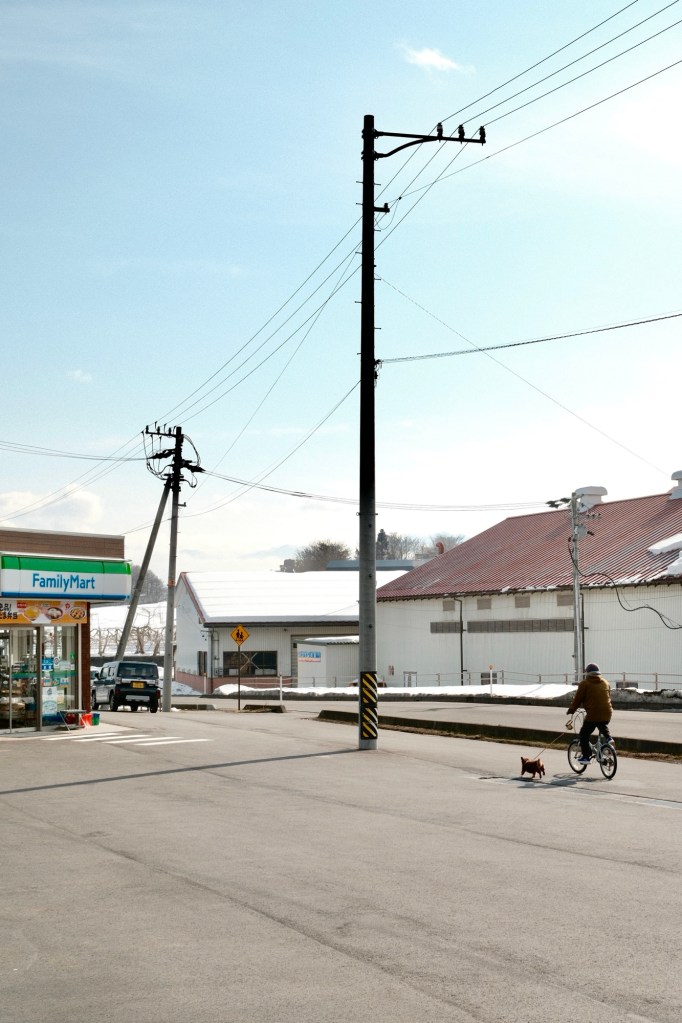
Shigakogen
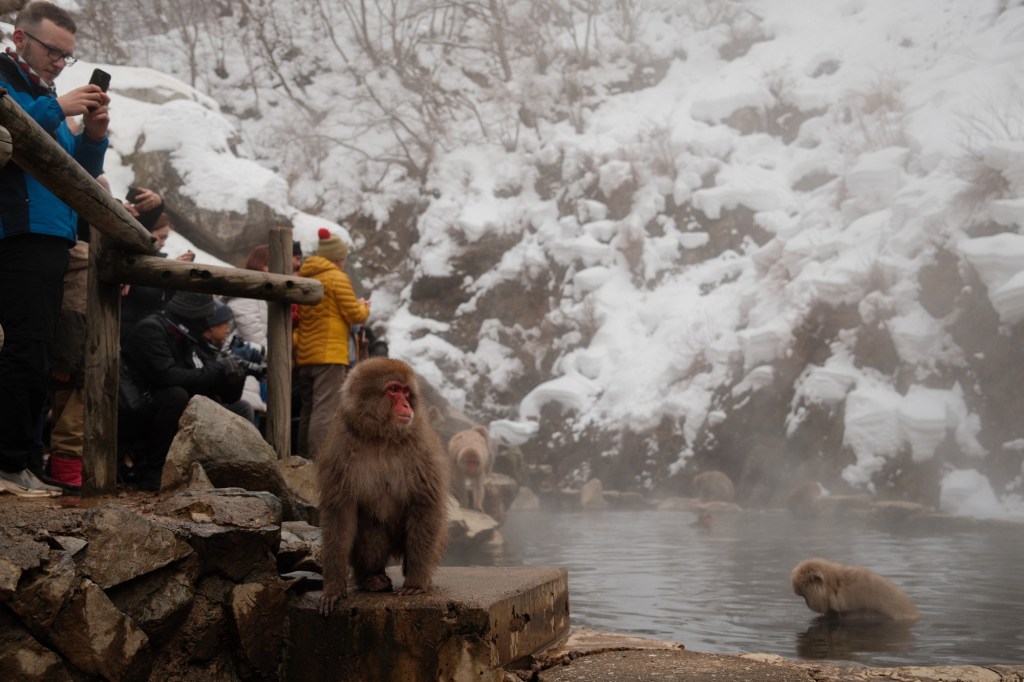
We spent the next few nights near Shigakogen, Japan’s largest ski resort by number of runs, lifts, and skiable area. It’s also famous for the monkeys living in the snowy forests and bathing in the hot springs.
First stop was the snowy primates. After hiking through a forest for around 30 minutes, you start to see the vast number of monkeys running and swinging around, and two big baths that were built to stop the monkeys from bathing in nearby hotel Onsen’s! The monkeys generally seemed pretty happy, dipping in and out of the hot water, non-fussed by everyone taking photos.
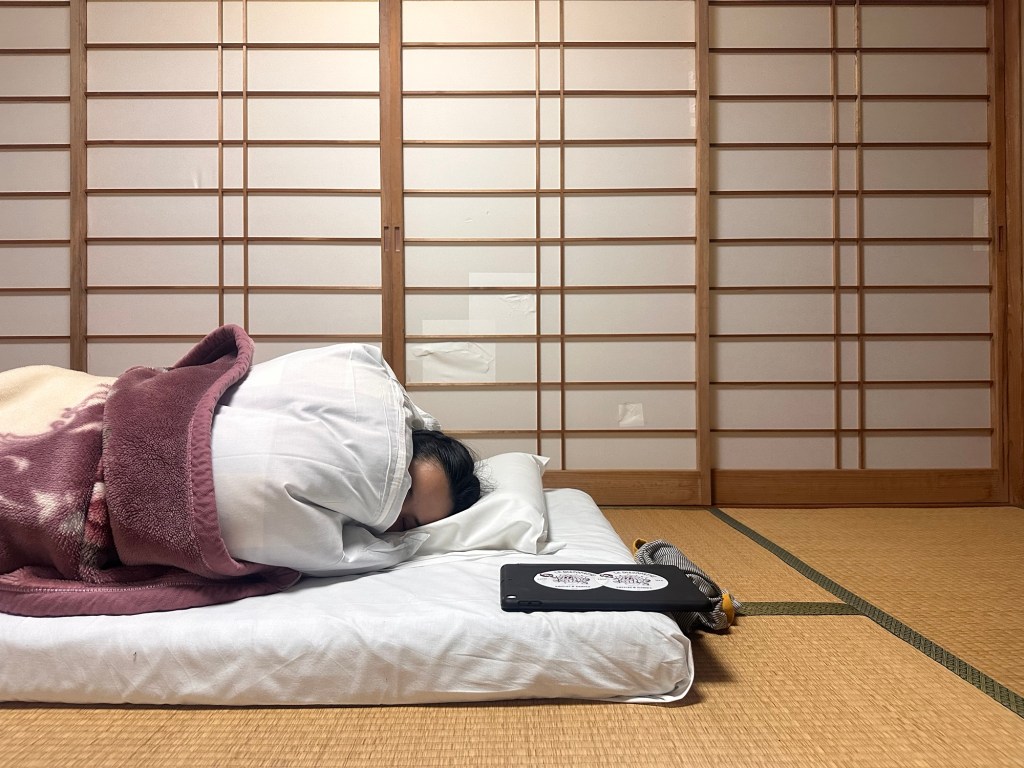
Our guest house at Shigakogen was one of the best we stayed at. Ran by one man, who hosted, cooked, and generally managed the whole place, it was a great spot for meeting people – we chatted with guests from South Korea, Australia, and Germany. There was also a piano Carmen could play 🎹
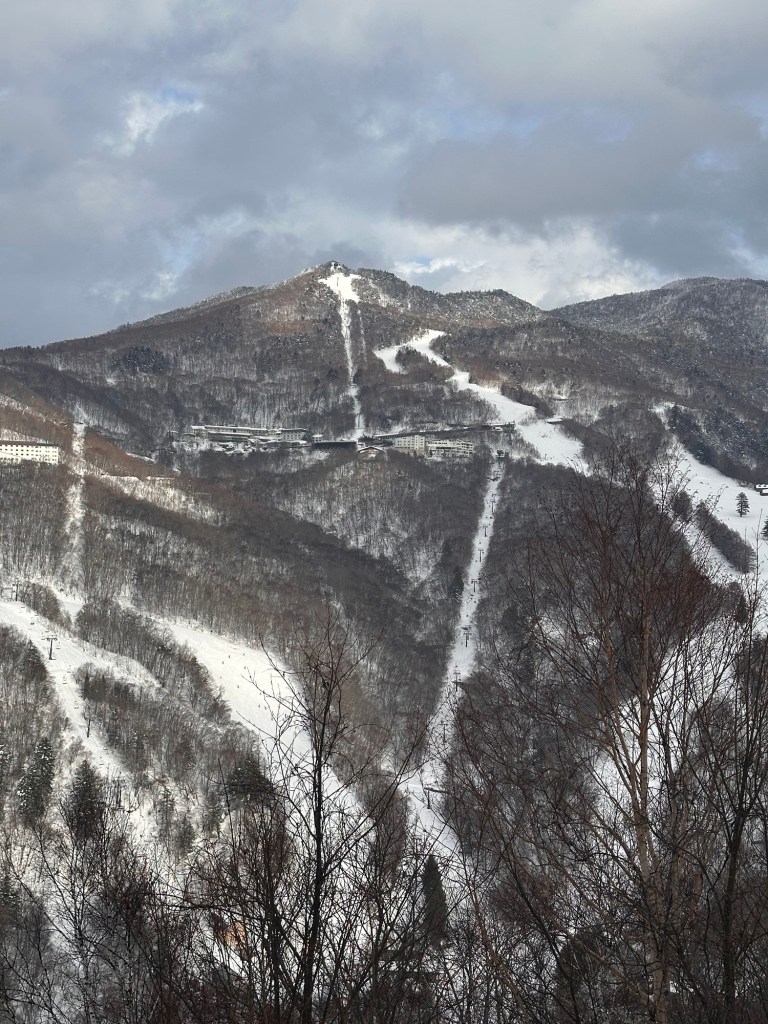
On the first day, we visited the resort to walk around and suss out how things worked as it’s much bigger than where we’d already been. There are around ten different villages that connect up the mountain. We opted to start from the closest one to us as the roads apparently got a bit tricky as you head further in. The staff were super helpful and gave recommendations on where to ride and what on-mountain restaurants were good.
Passes and gear hire were more expensive but still a bit less than European prices. It was the first time we couldn’t borrow goggles, so we had to fork out for a pair each. The mountain was great though, loads of good runs. You could easily spend a week here, with enough variation and new places to check out each day. There were also quite a few on-mountain restaurants to pick from. We opted for katsu curry and saki. For the biggest resort in Japan, it still wasn’t that busy, on a European resort scale.

A Magic Forest
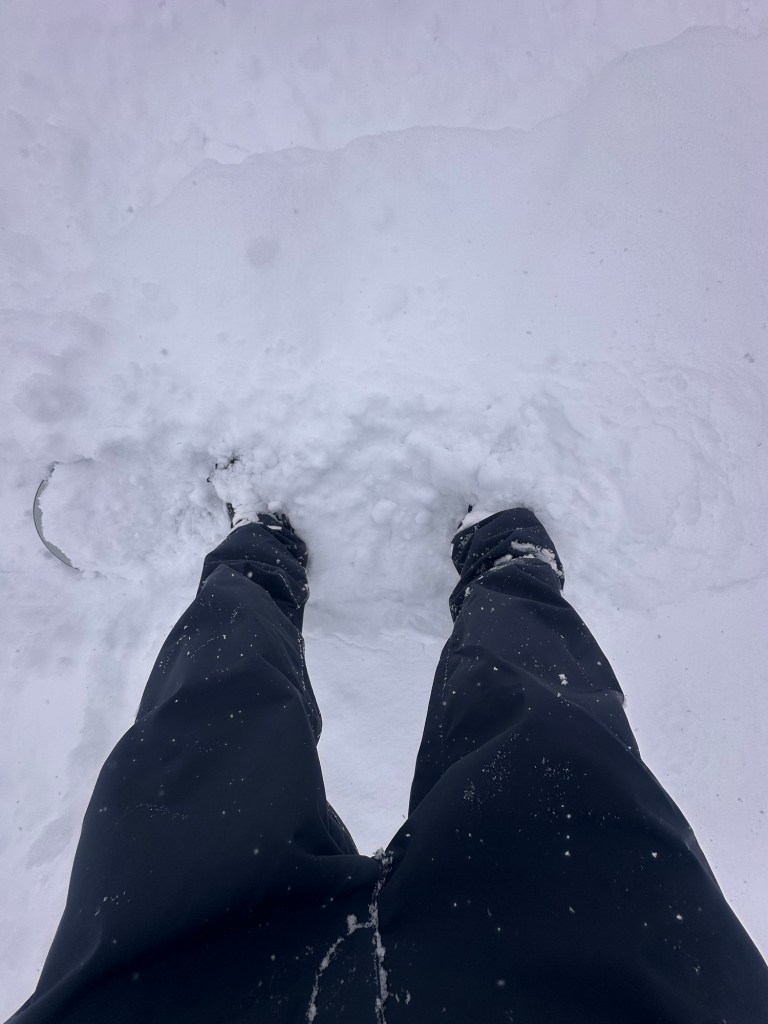
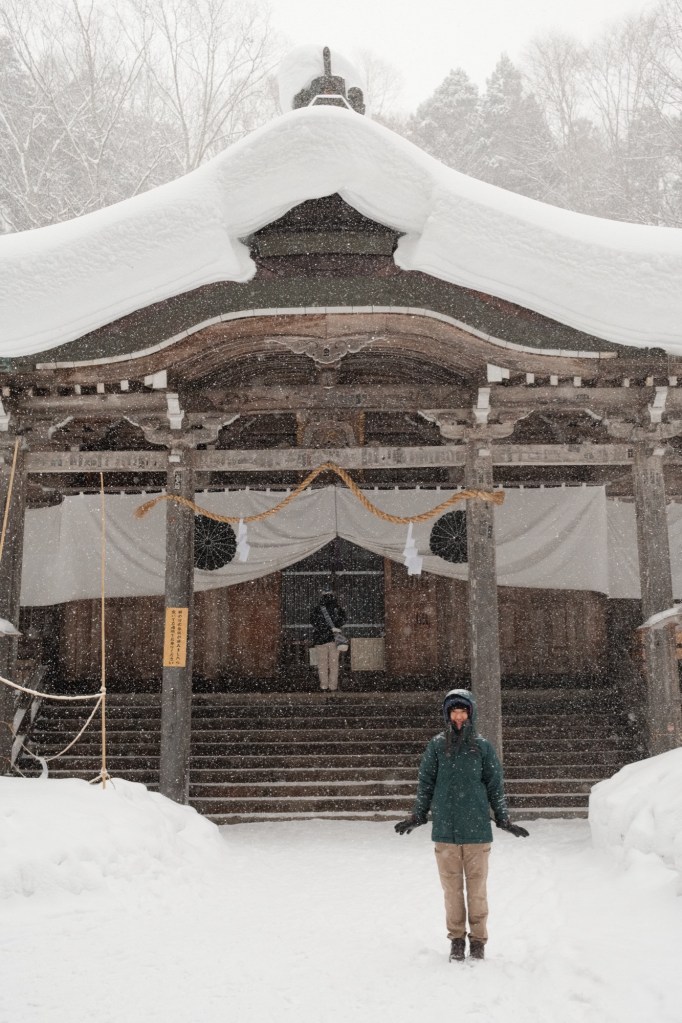
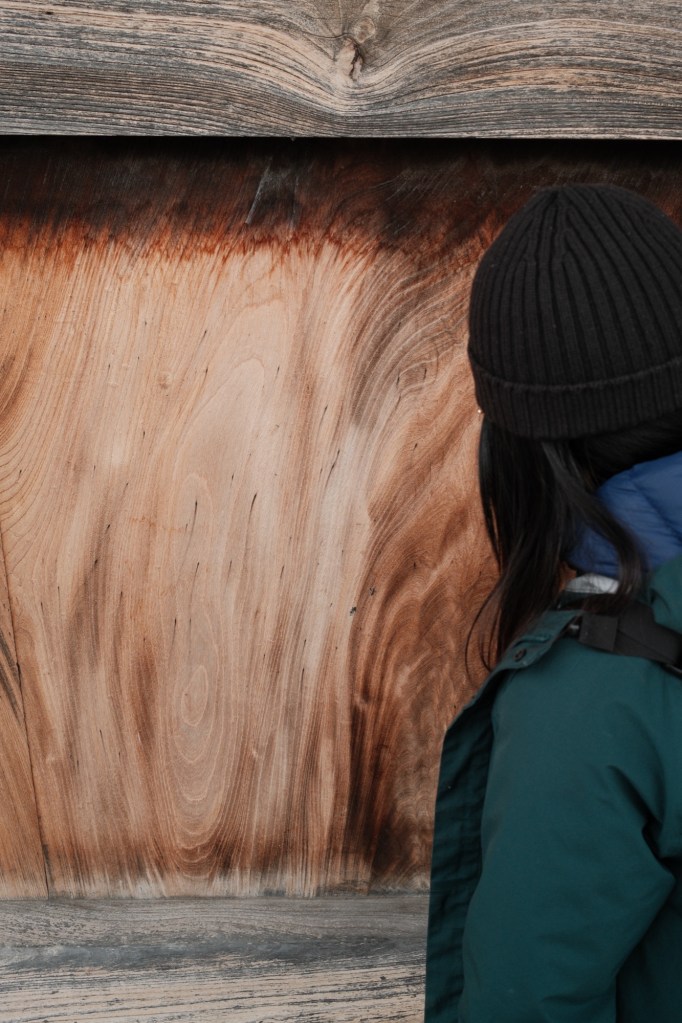
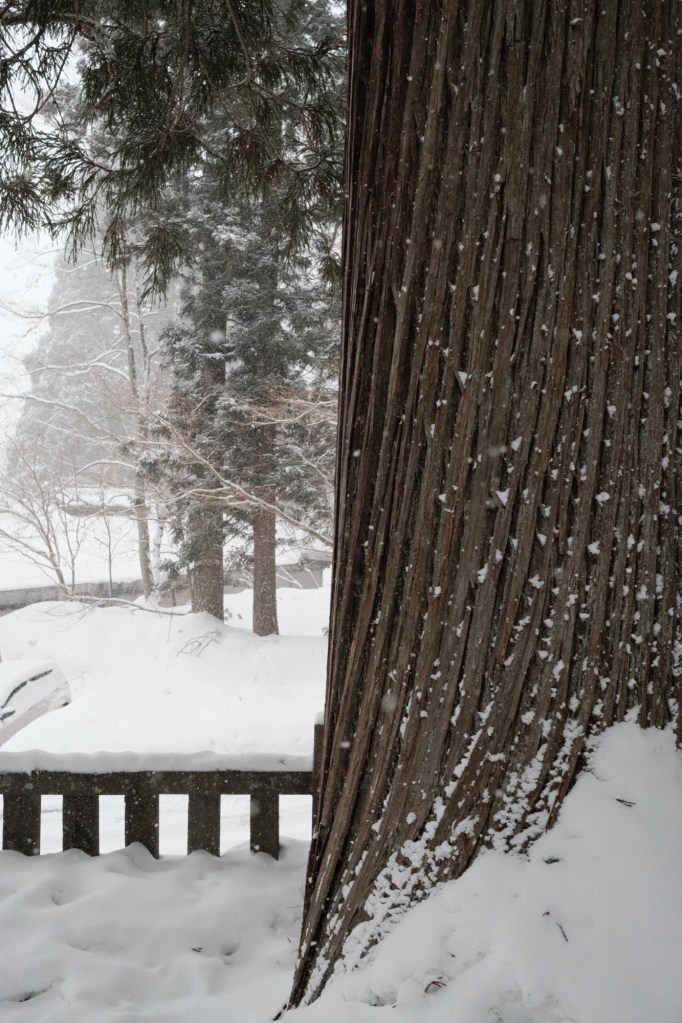
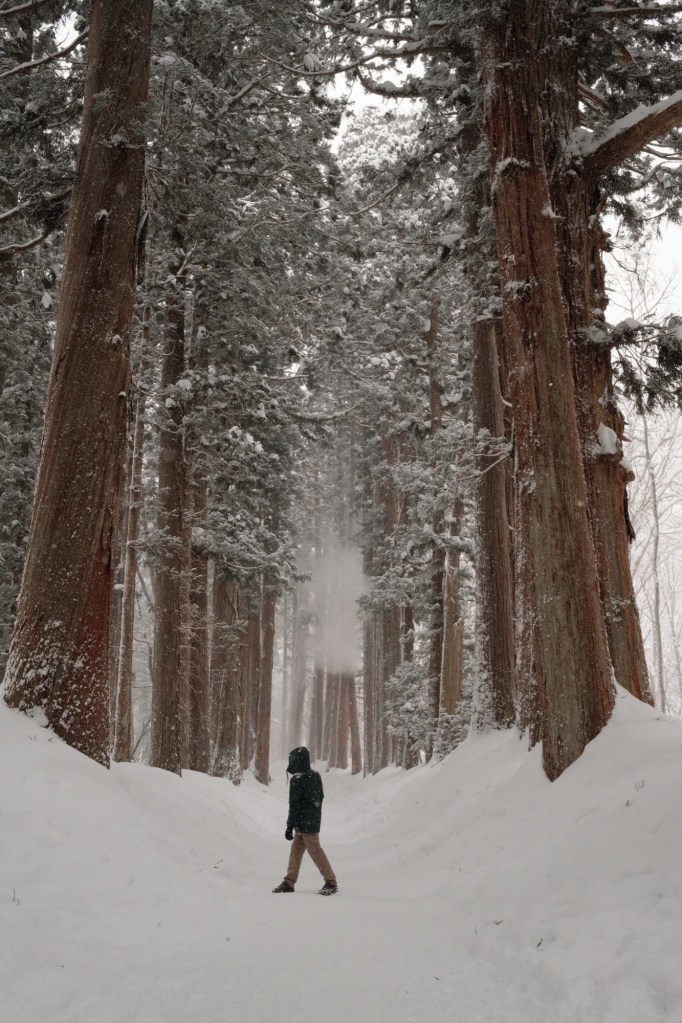
On our final day in the Alps, we visited Nagano city, and a huge forest of trees about 40 minutes’ drive north-west of the centre, named Togakushi Shrine. Our car struggled to get through the now very snowy mountain roads, with the wheel arches filling up with ice – which required some serious chiselling away at one point to stop the tiny tyres from rubbing against the ice. The forest has a long trail where you work your way through huge Japanese cedar trees covered in snow. The perspective and scale of it is so impressive, with plumes of snow gently falling as you walk underneath.
We managed to safely drive back to Matsumoto, staying for one more night before heading back to the airport to fly further north.
Next up: We fly to Hokkaido for more wintery fun – the annual ice festival in Sapporo, and snowboarding in Furano.
 seemehear
Leave a comment