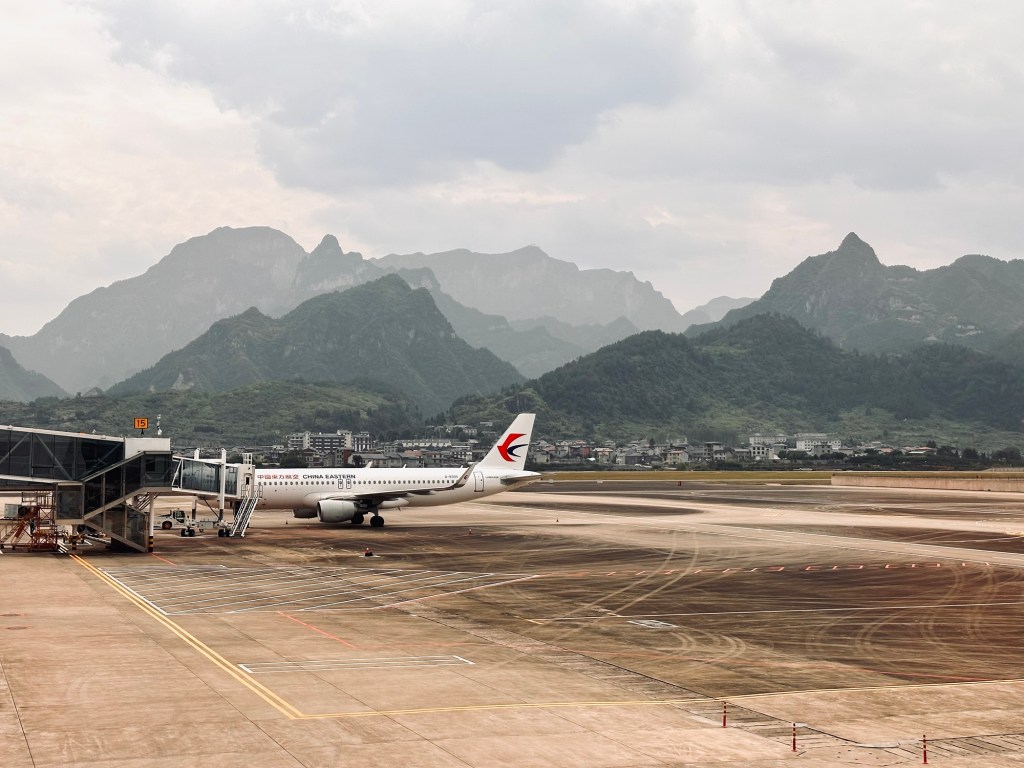
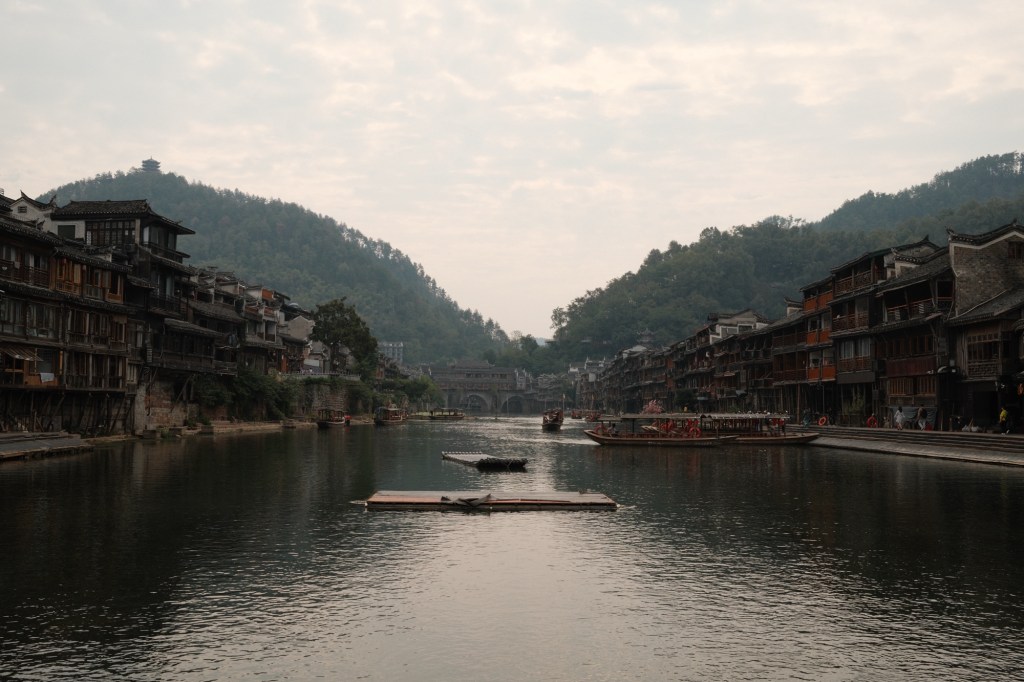
Week one of China started with a few transfers to get to our first destination – Fenghuang “Ancient Town”. Famed for its old style Chinese buildings set on a river, with a thriving nightlife. I was told it was the part of the inspiration for Kung Fu Panda 🐼🥋
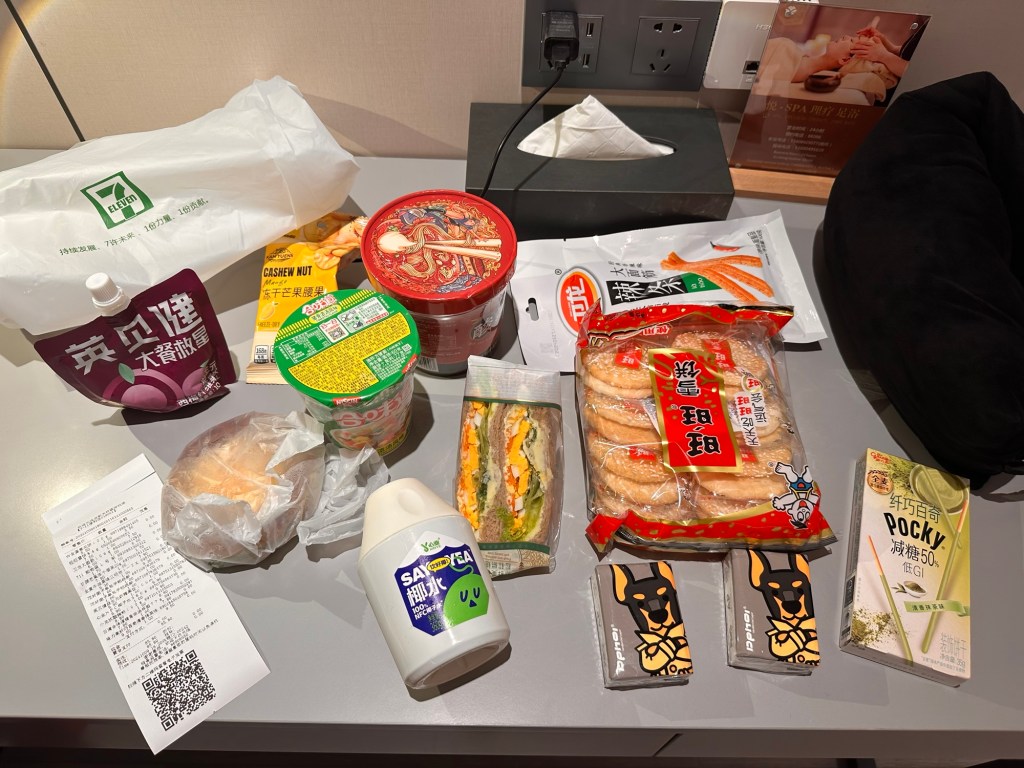
We spent one night in Chengdu after flying from Kathmandu, but we only got to wander a little near to our airport hotel. So I can’t say I got to experience Chengdu to the max, but we’re heading back there a little later in the month. However, what I can tell you is that it felt like a fairly futuristic place. Our hotel was brand new and transport was super efficient. It was interesting to see that china has embraced electric cars much more than Europe. And everything just seemed to work well – a very easy airport with baggage trolleys where you needed them 😂, vending machines with good things in them, and like everywhere in China, the ability to pay for EVERYTHING using an app (Alipay or WeChat).
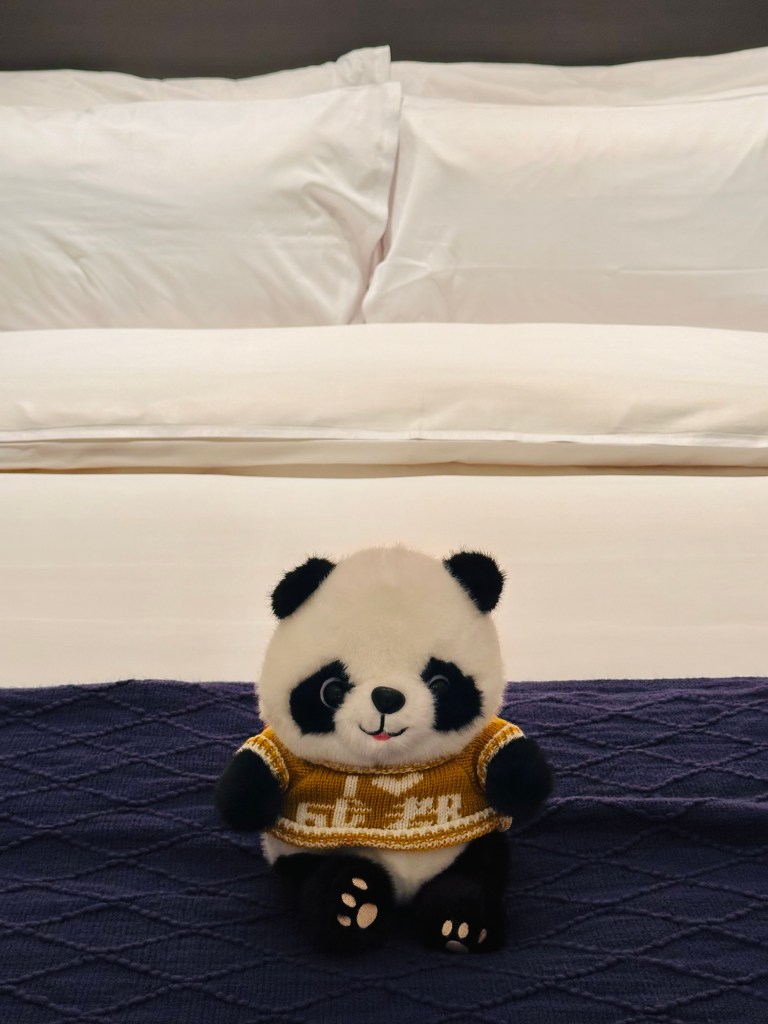
The hotel was pretty funny, it seemed to be ran by a team of students (Carmen tells me people tend to just look younger), and when we checked-in we were gifted a toy panda (Chengdu is home to the giant panda breeding centre). Sadly Pauli the toy panda had to stay in Chengdu as bag space is precious 🧳
It’s worth saying that you need to consider SIM card / mobile data options before arriving in China. You absolutely need data for accessing the various apps for paying for stuff, but it’s wise to get an eSIM before landing as they generally won’t have any browsing restrictions compared to sims bought in China which block services we use frequently. For example, a sim bought in China won’t allow you to use Google (search, gmail etc.), anything Meta (WhatsApp, Insta etc.). This goes for WiFi too, the above are also blocked. It is possible to find VPN’s that work on WiFi and China bought sims, but they tend to be expensive. Apple based apps tend to work more freely – Apple Maps, Apple TV+ etc (Netflix doesn’t exist in China due to rights agreements, it’s not blocked).
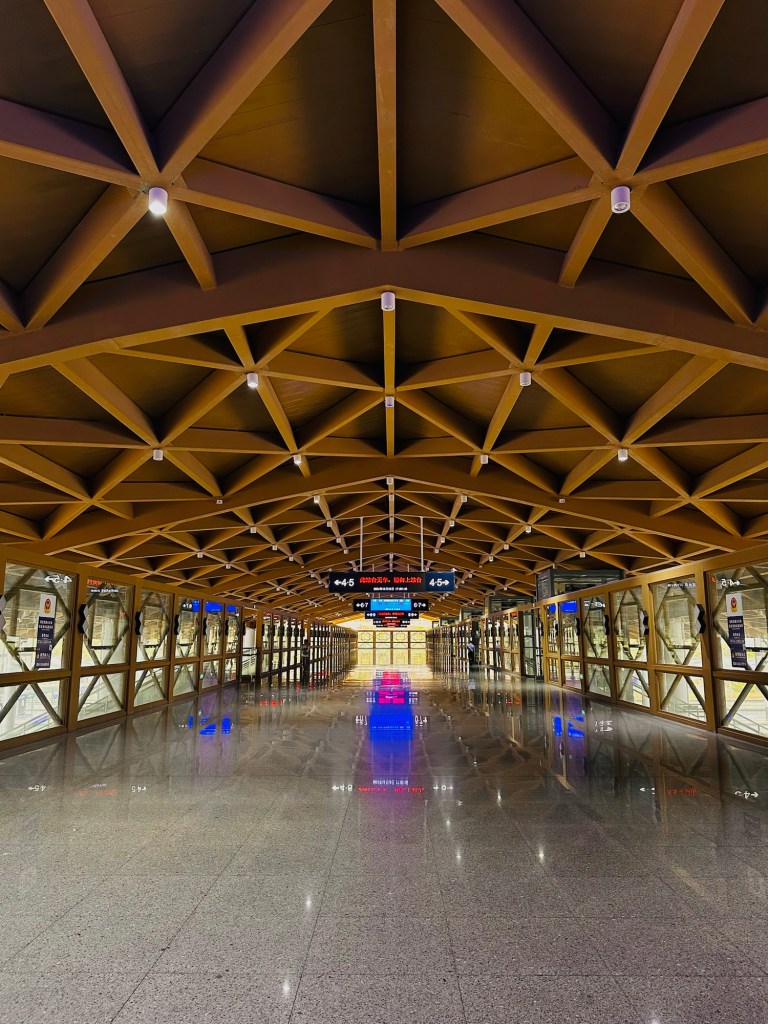
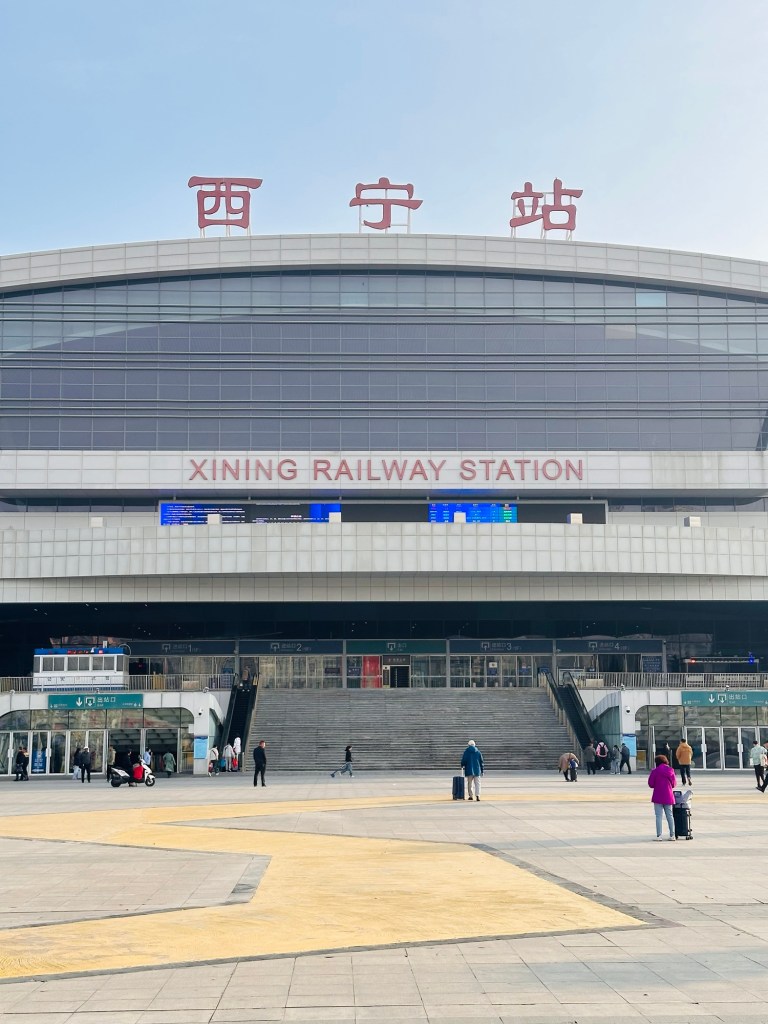
We travelled on from Chengdu, taking a flight to Zhangjiajie where we’d get a train to Fenghuang. Bullet trains are common place across china, and they were amazing to travel by, and cheap. Chinese railway stations are vast spaces with thousands of seats, and a super simple boarding format where only departing trains move to the platforms for boarding when notified by the departures board. So it’s easy to figure out what’s going on. Massage chairs are also everywhere in stations – long rows of them. They feel like you’re being beaten up.

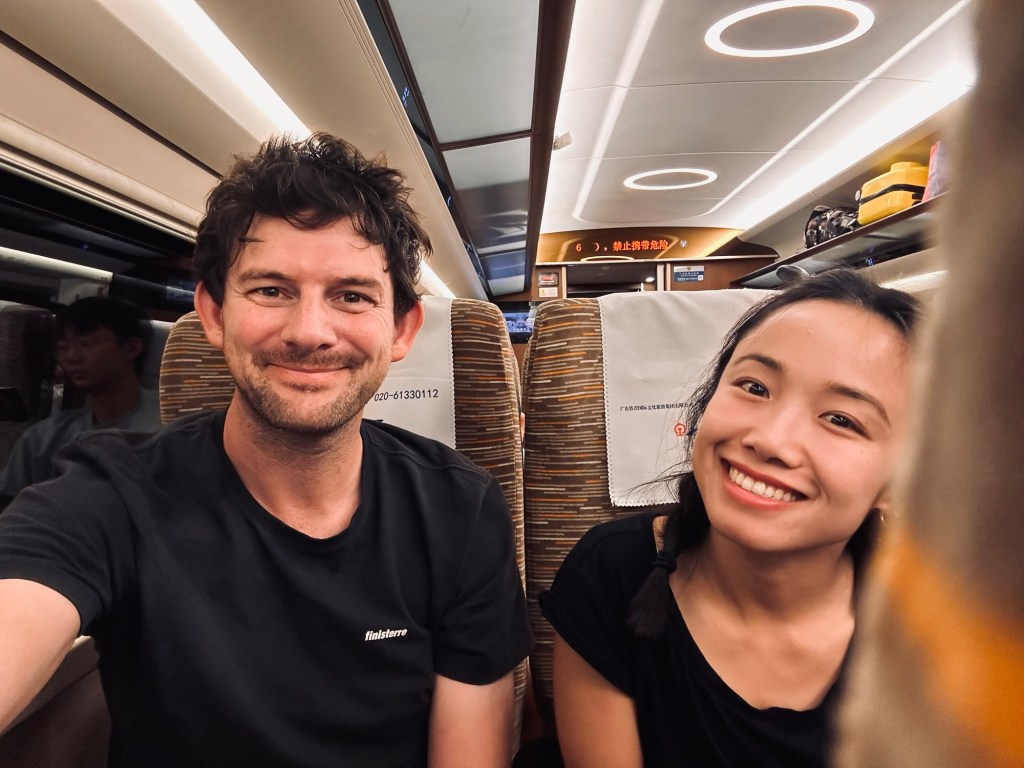
We realise early on that your passport is the most important travel accessory in china, you need it to board any train or enter any tourist site. It acts as your ticket everywhere. You supply your passport number when buying a ticket online and then they only ever need to scan your passport to let you board or enter. You cannot leave the hotel without it.
Fenghuang “Ancient Town”
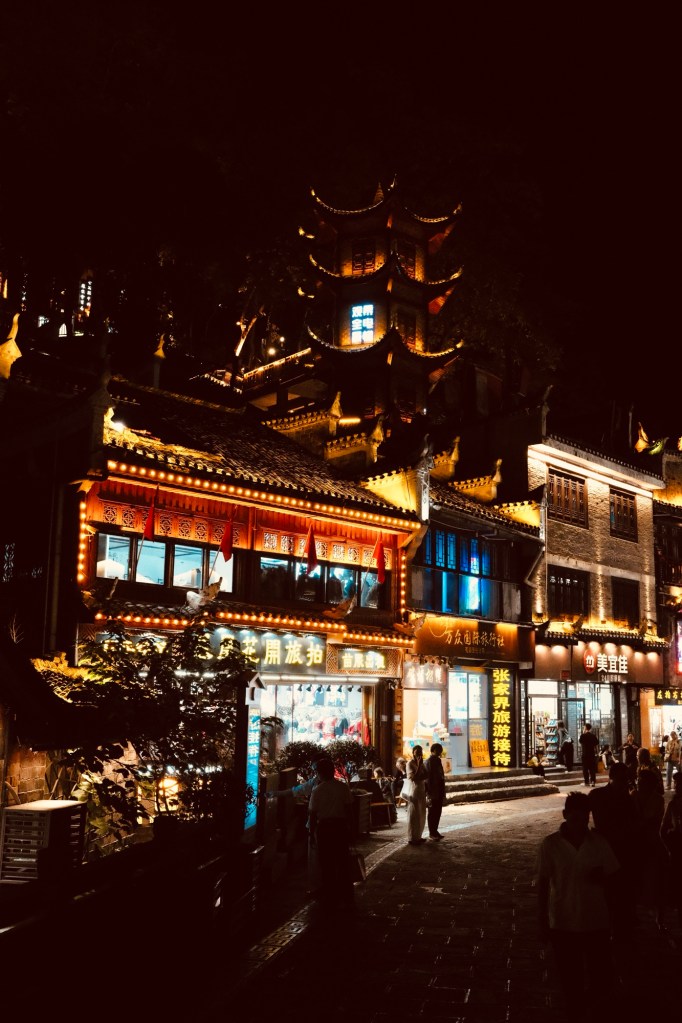
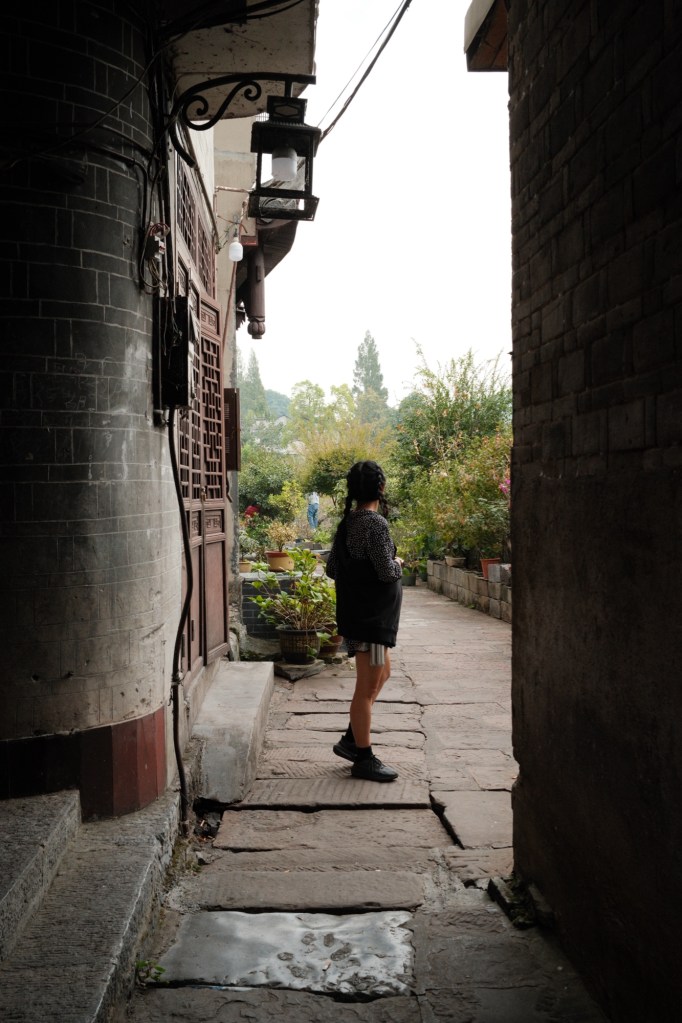
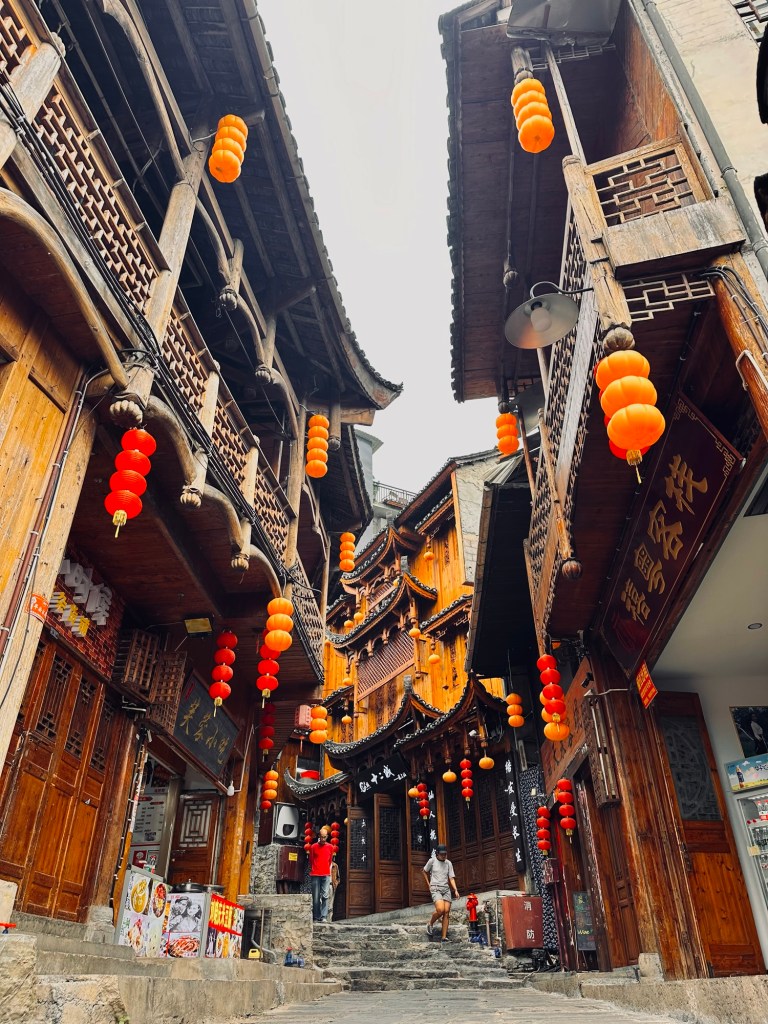
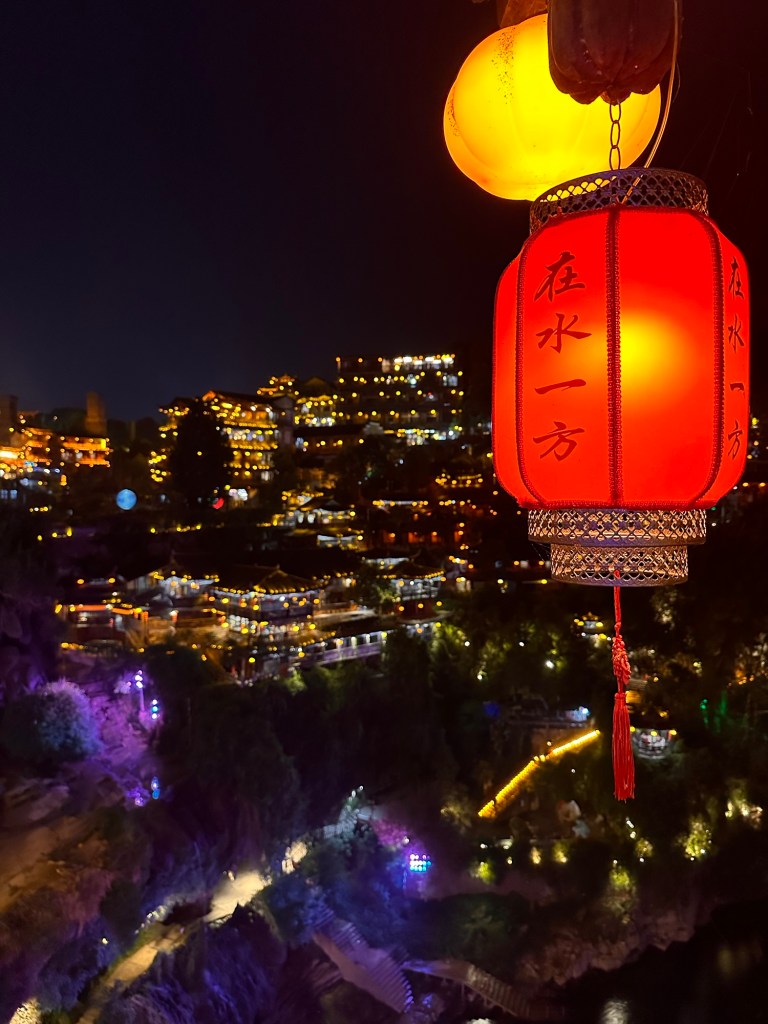
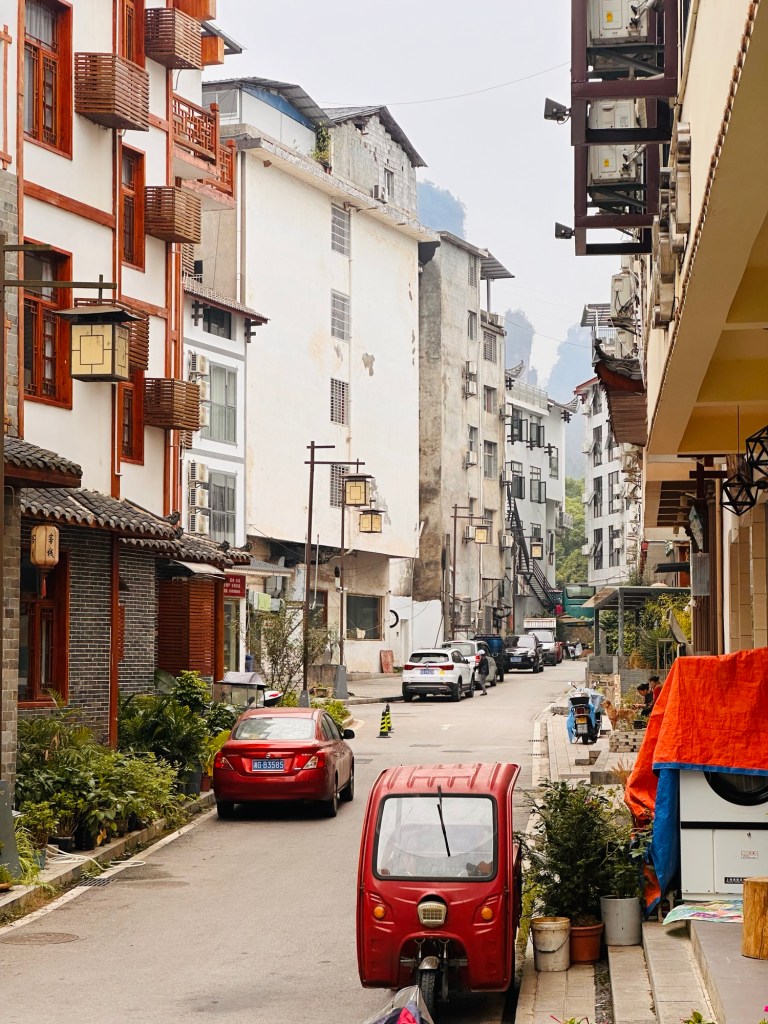
We arrived into Fenghuang in the evening where our homestay host met us at the top of his street, and made our way through the zigzag cobbled streets of the old town and briefly settled in before heading out to take in the famous ancient town nightlife.
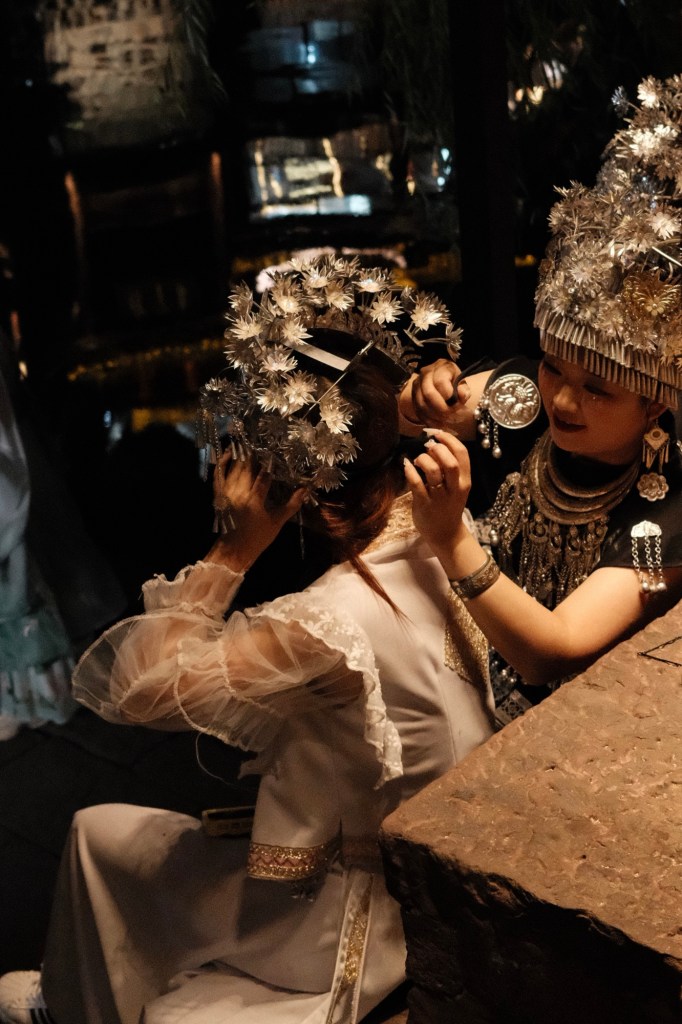
I learn pretty quickly that in China it’s the norm for women and girls to have their photos taken while dressed up in old style Chinese clothes – and it happens everywhere. I thought it was unique to Fenghuang, it being an ancient town and all, but no, over the next few weeks I see it in every city. The costumes vary a little, but it’s the same format. Women paired with a photographer while dressed up posing with strong lighting glaring at them. There’s loads of costume shops supplying the outfits too. Maybe I missed out not getting involved. And for the record I only spotted one man participating, and it appeared like he was doing it with his partner.
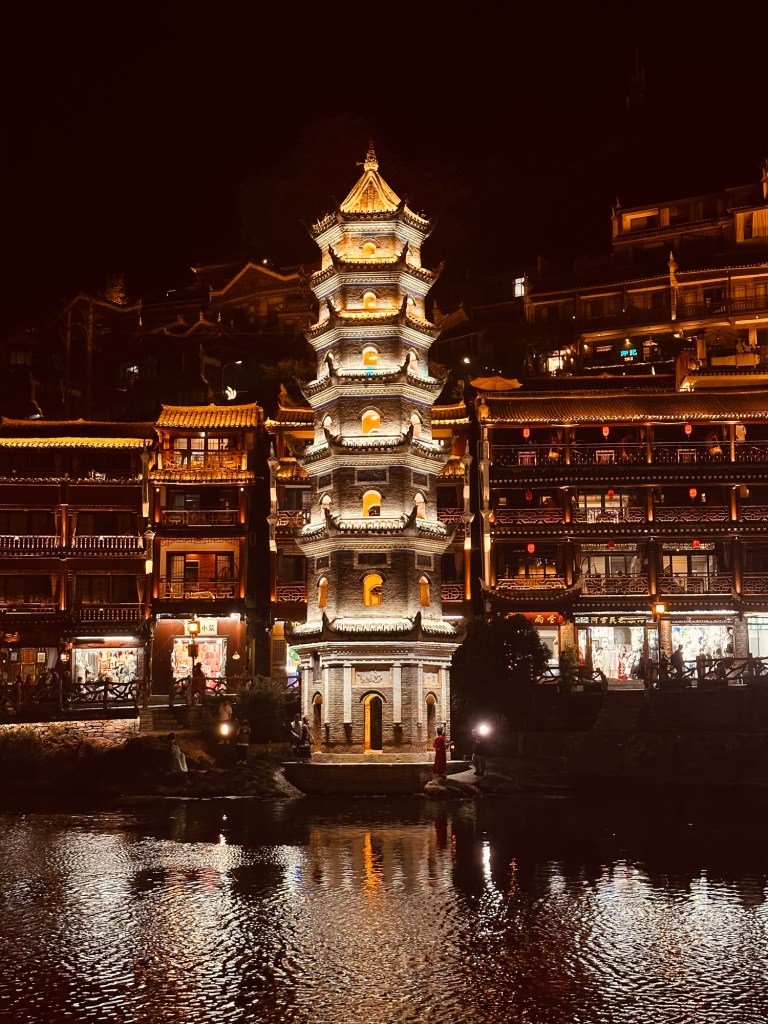
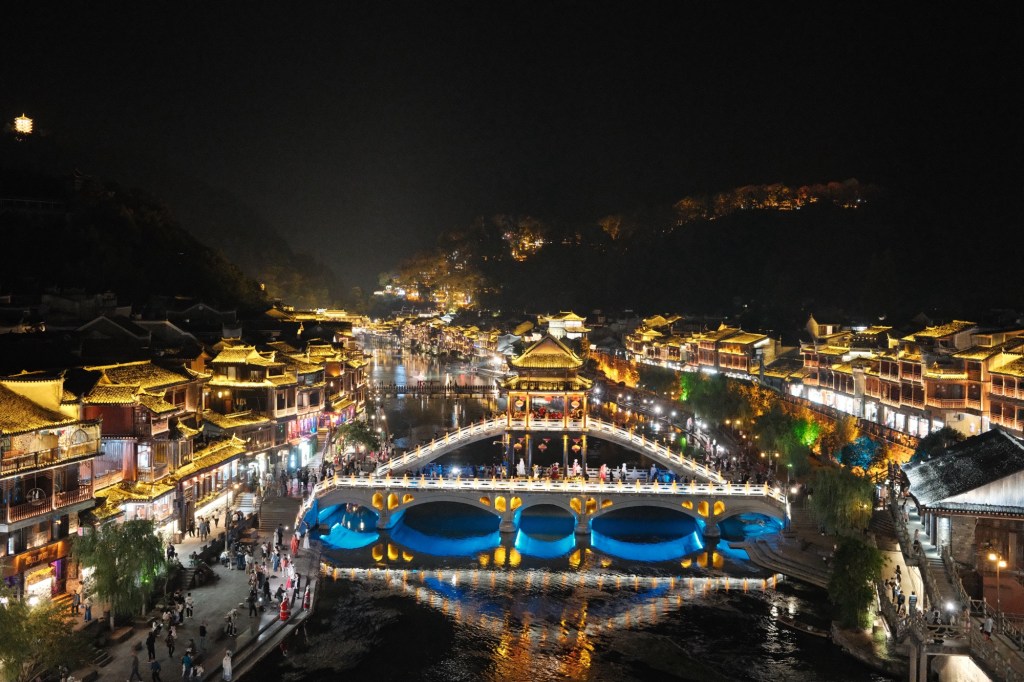
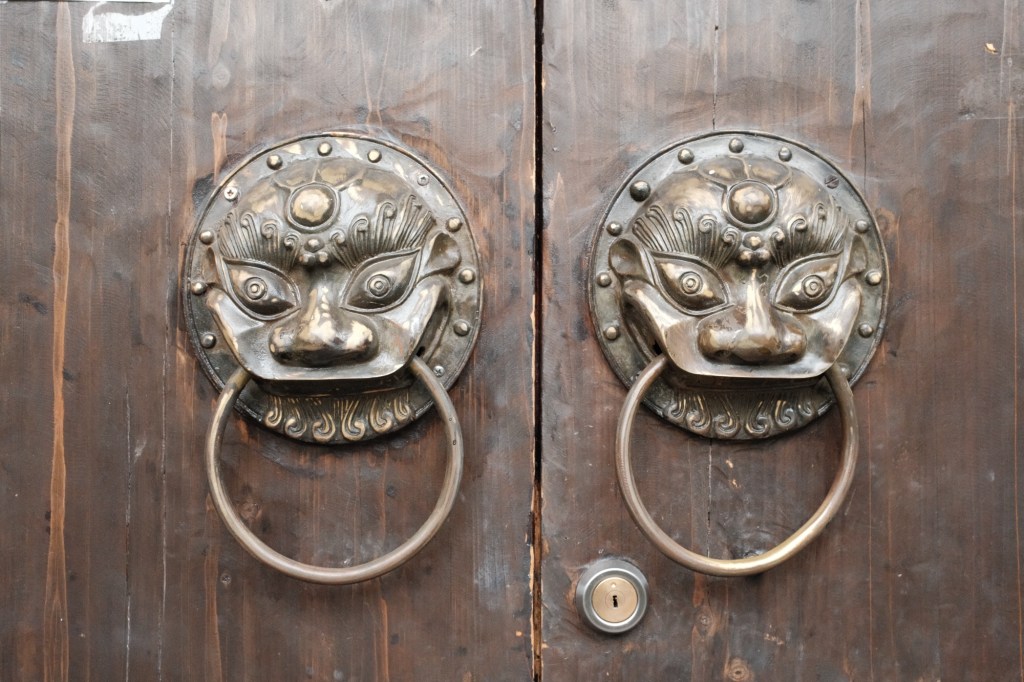
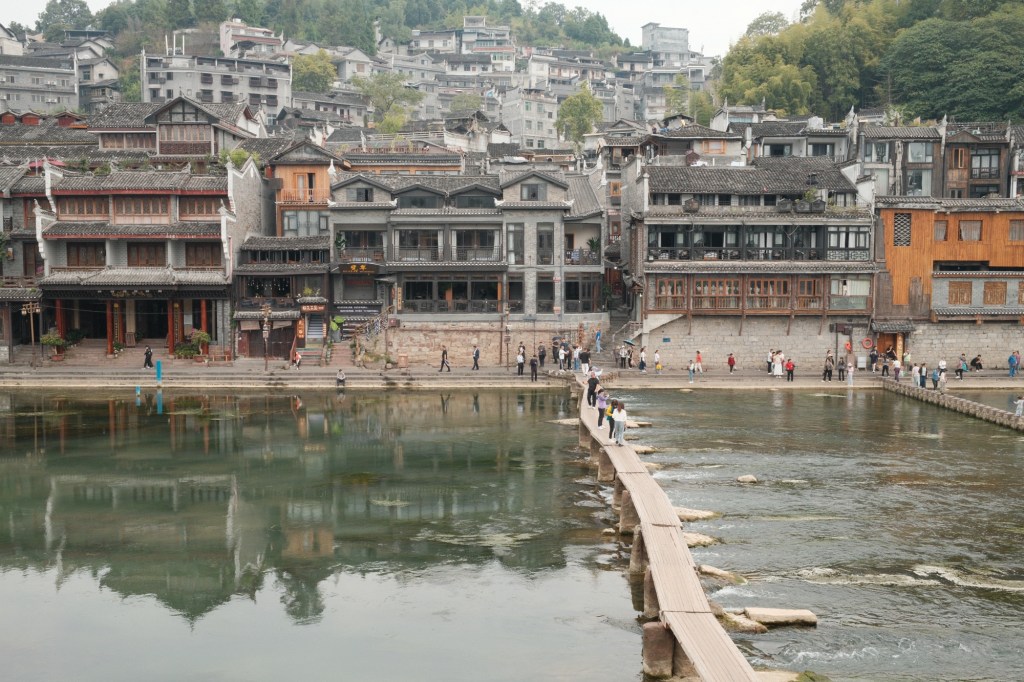
Wandering through Fenghuang was really fun, lots to see and take in. All the buildings in the old part of town are traditional, like that stereotypical image of ancient china. There are multiple bridges that cross the river, two of which are sets of large stones you can walk over. Definitely an element of risk after a few beers and I’m sure a few people frequently fall in the river. It didn’t seem too deep though.
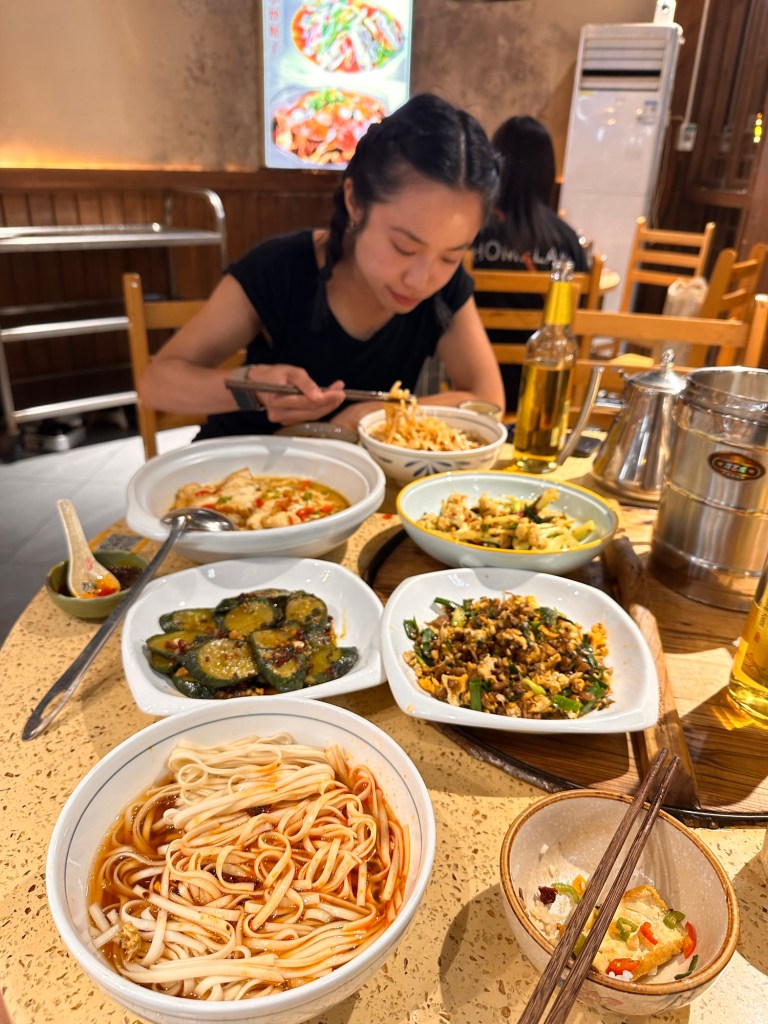
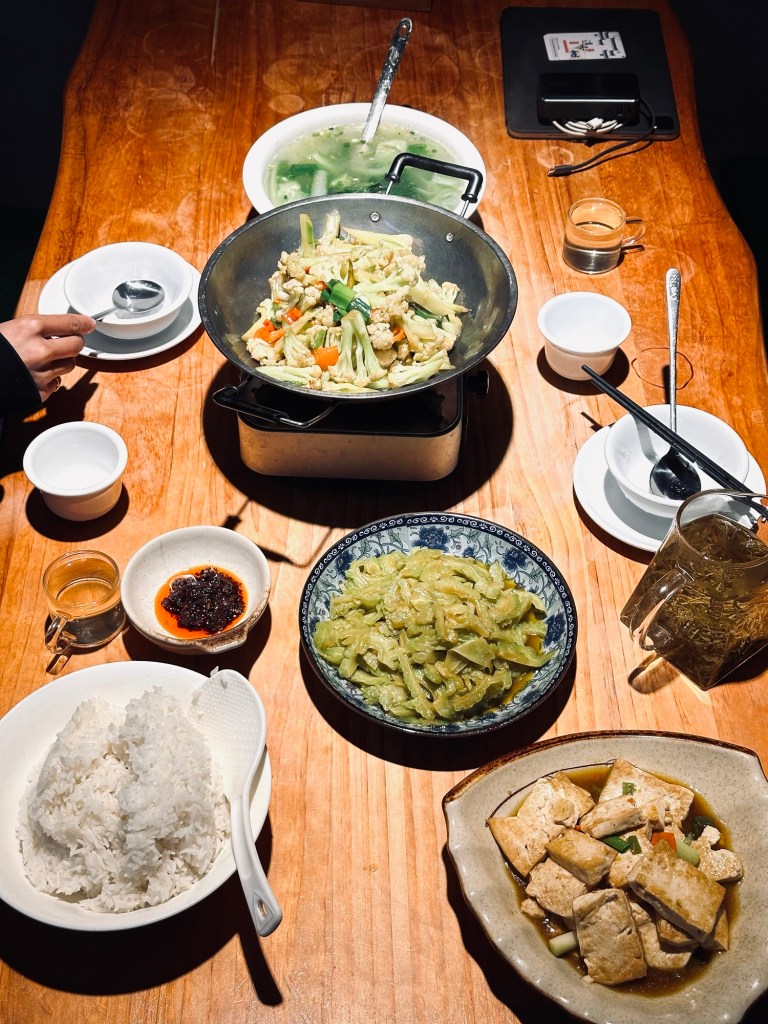
I was pleasantly surprised to find that vegetarian food is easy to come by in China. I’ve always thought it would be hard to eat meat-free while travelling here, but from the first couple of days it was straight forward, and delicious. Our first restaurant stop served up tofu in a spicy sauce; a scrambled egg type dish mixed with pickled cabbage; sautéed cauliflower with chili (which we love so much we keep ordering it everywhere we go); and noodles and rice on the side. Quite a few of the beers tend to be weak, c.3-4%. And it goes without saying that any tea you order is generally delicious.
Furong Town
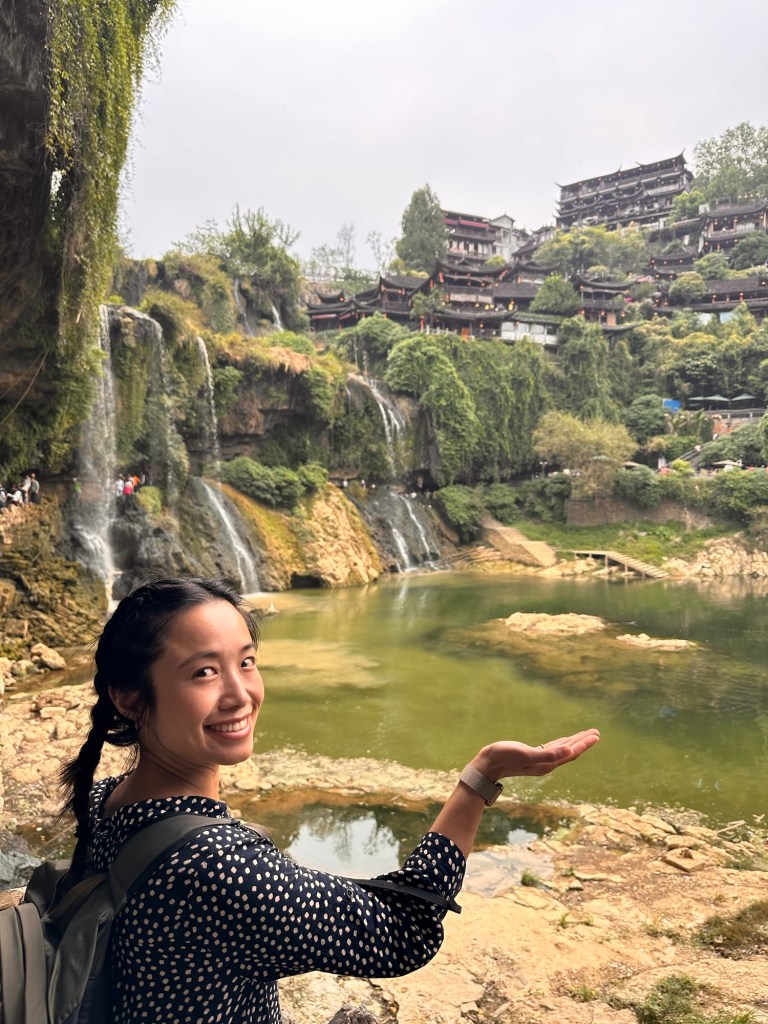
We travel the short distance the next day to Furong Town, known for a huge waterfall that runs through the town. It feels like a Disney Land attraction, with huge crowds visiting, following a planned route around various vista spots. All this considered, it’s an amazing place to experience. We did however arrive when the water was at its lowest level, meaning the waterfall was a little less impressive. We setup camp in a restaurant where we get our conversion calculations wrong and order a £27 pot of tea. It was delicious, though. And an important lesson for the rest of China. We had a great spot for watching the waterfall and town as the sun set.
Zhangjiajie National Park
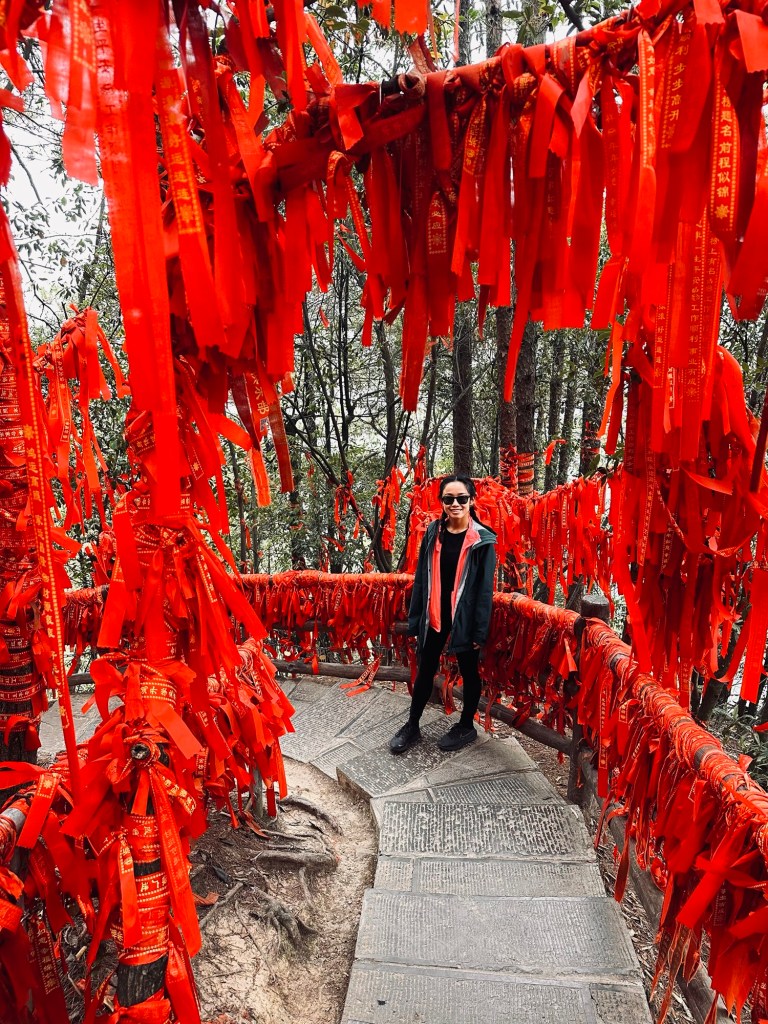
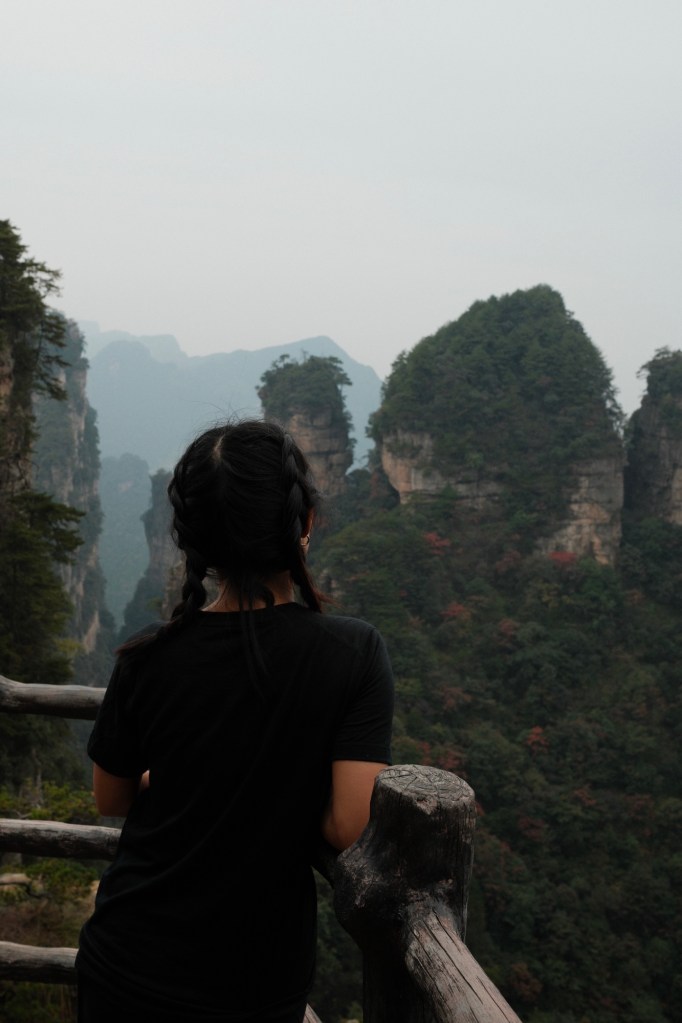
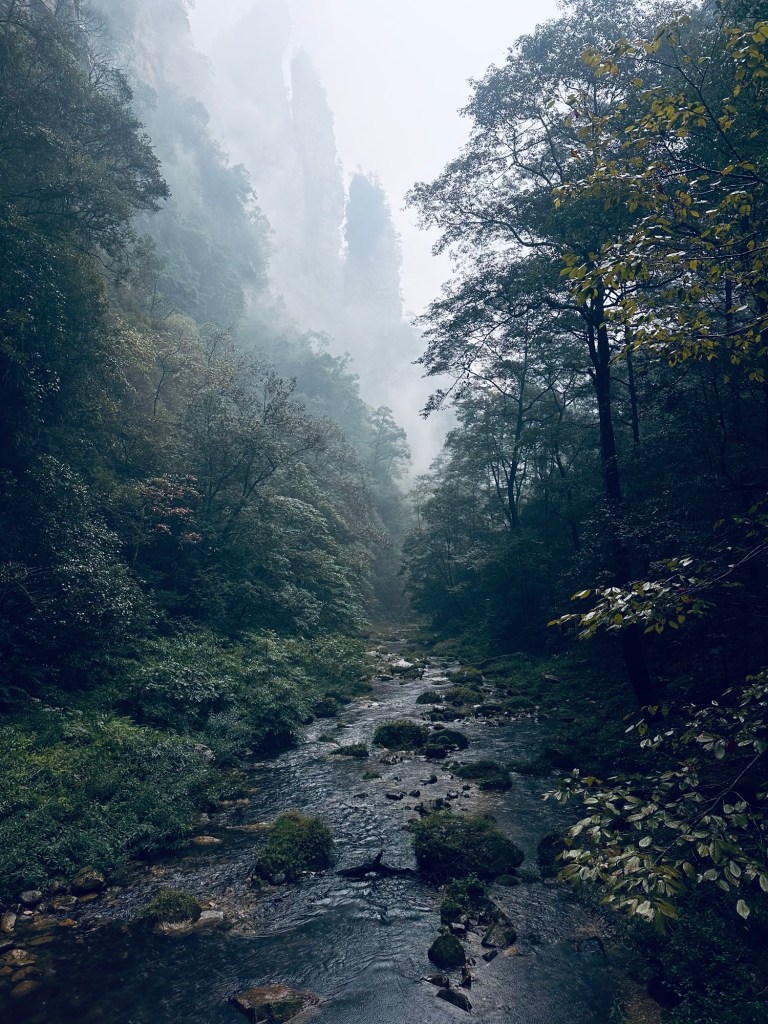
We spent the weekend in the national park in Zhangjiajie, also known as the ‘floating Avatar mountains’ because it was the inspiration for the scenery in the movies. It’s unlike anywhere I’ve ever been, the mountains do appear to be floating – tall and thin covered in trees all the way up.
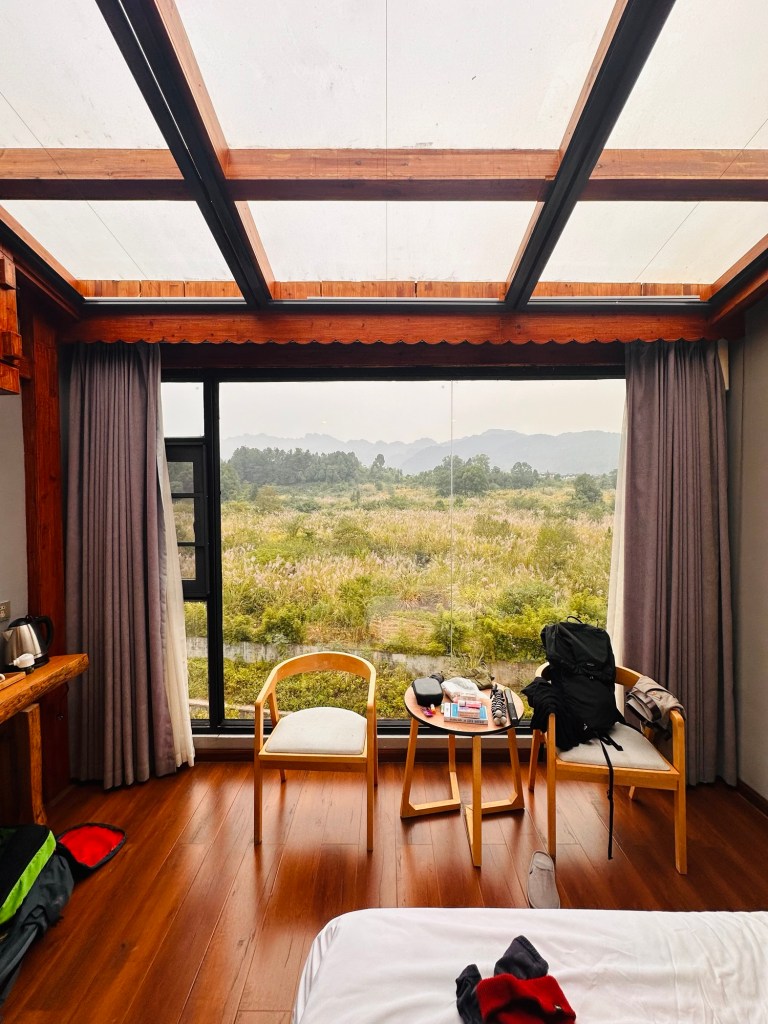
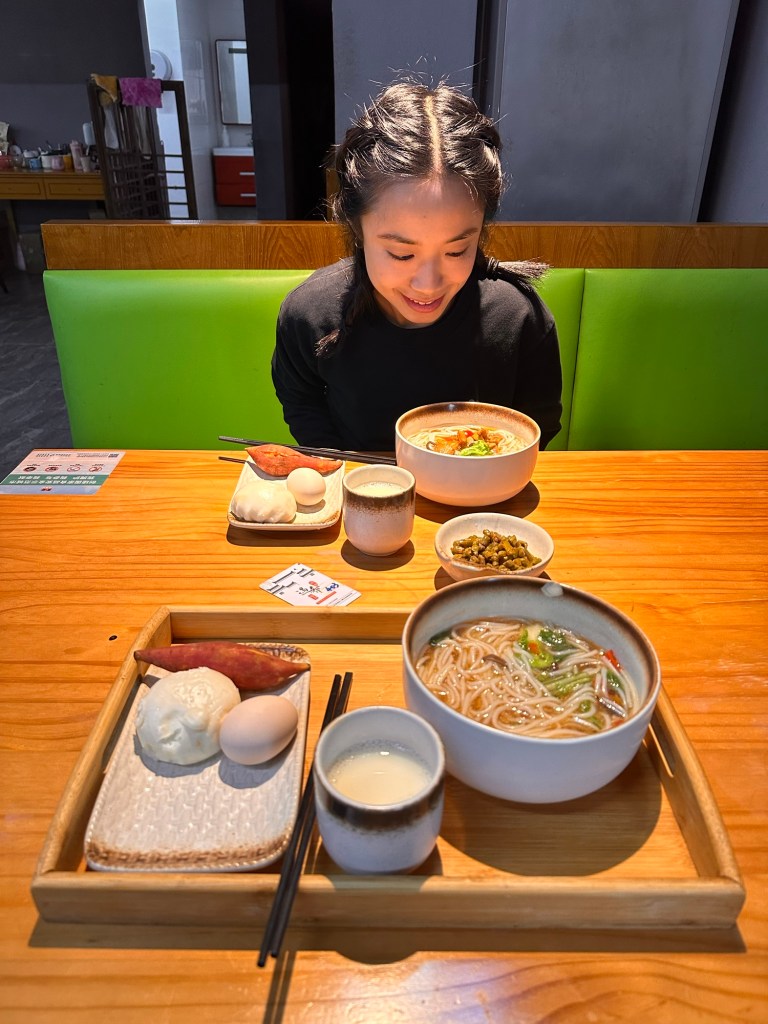
We stayed at a great home stay, the rooms felt luxurious with a view of the surrounding national park. One side of the room and the ceiling was entirely glass with electric curtains and blinds that opened in the morning revealing the countryside. The food was even better, traditional Chinese breakfast of soup noodles and bao. We discovered that hotels and home stays in China are generally very good value for money. Real attention to detail at this one.
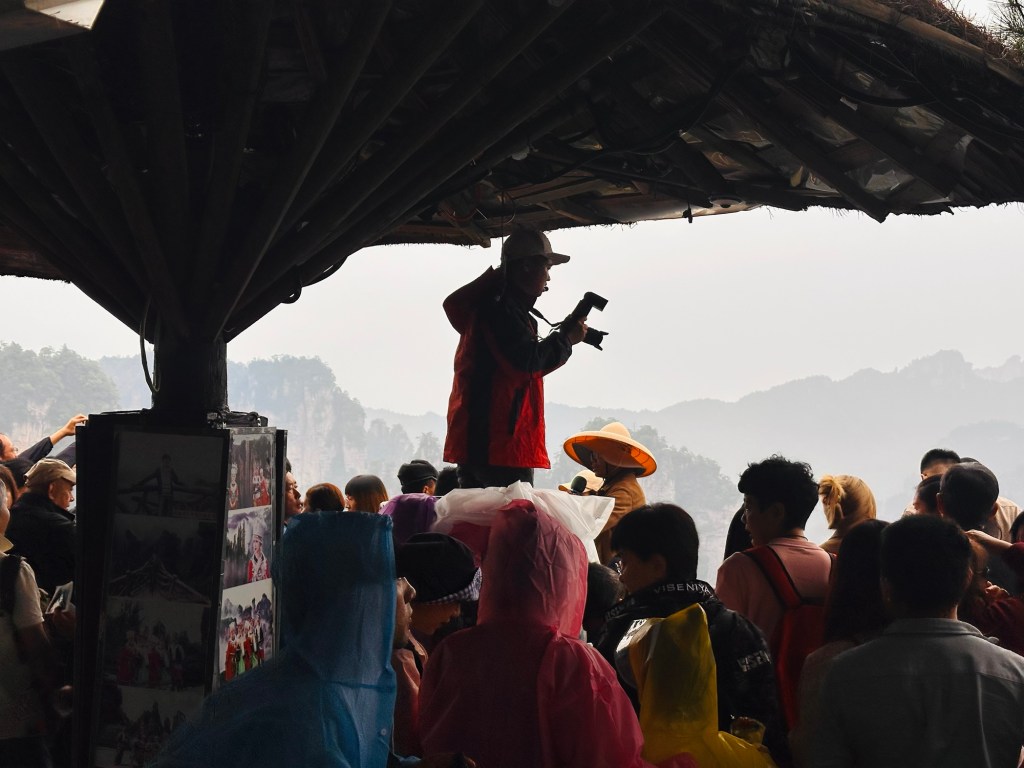
We hadn’t mentally prepared ourselves for the volume of people who visit the national park in Zhangjiajie. The crowds were massive and typically focussed on getting a selfie with the mountains. We witnessed a lot of bad photos being taken that morning, but people were really enjoying themselves. It’s probably the only national park where you can get a good sit down Chinese meal at the top of the mountain too. It was a little misty and rainy during our visit, but it was still great to see the mountains.
There are several routes you can take through the park, including getting on buses, cable cars and bizarrely a lift that went literally up the side of a mountain, the whole thing is very well organised. We spent the next day walking the route of the river in the rain, the weather added to the mysterious mountain backdrop.
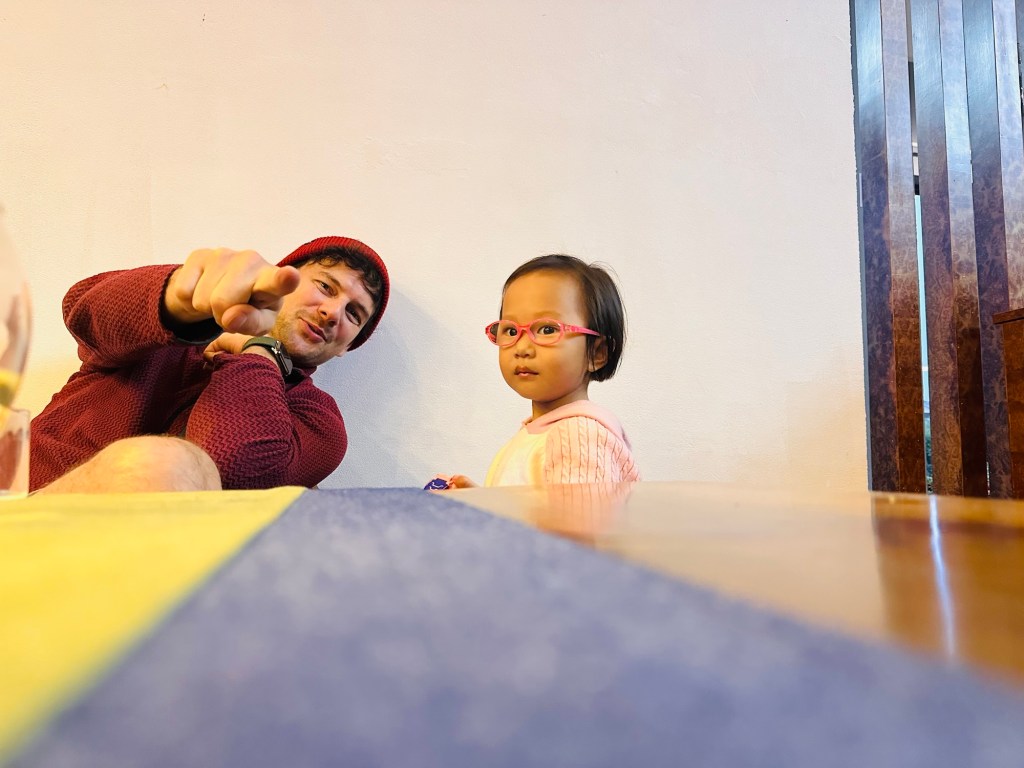
Just before our onward travel, we hung out in the homestay and made a new friend – the owner’s 3 year old daughter insisted on drinking tea with us in her own glass cup (showing just how comfortable Chinese kids are with eating and drinking at the dinner table with the grownups). She asked us to help her draw pictures of frogs (Qīngwā “chee-wah”). We obliged and had a very nice time. We were even gifted with a fridge magnet of a character they said looked like me, and some of their home made tea (sadly we had to leave the tea due to space). A great place to stay for the weekend.
Onwards, Xi’an to Xining
We flew onto Xi’an to catch the train to Xining, where we would be starting our journey to Tibet. We’d crammed a lot into this first week of China, but we knew we’d be returning after Tibet to slow things down a little.
We’d been in China nearly a week at this point, and as a side note – I’ve generally been the only western looking person pretty much everywhere we’ve been, and this only increases in Xining. It’s probably the first time in my life (some parts of India excused) where this has happened. On reflection I think the size of China increases the likelihood of it happening, but also I just don’t think the volume of western tourism in China is that high. I expect this to change in Beijing and Shanghai.
One realisation from our first week was just how many people still smoke in China, and indoors. They’ve started to ban smoking indoors, but the message hasn’t quite set in yet or it’s not really policed. Restaurants, hotels, train toilets, shops, you name it. Some people also tend to just chuck their butts on the floor when inside too, which seemed a bit extreme. We’re told this is a fairly old school mentality now.
Xining, gateway to Tibet
Xining instantly felt different, it’s quite far west in China for one thing, so the culture changes – different food, styles, religion, and generally how people look. The altitude also increases, which is why we’re spending a few days here to help with acclimatising before we get the train to Lhasa in Tibet.
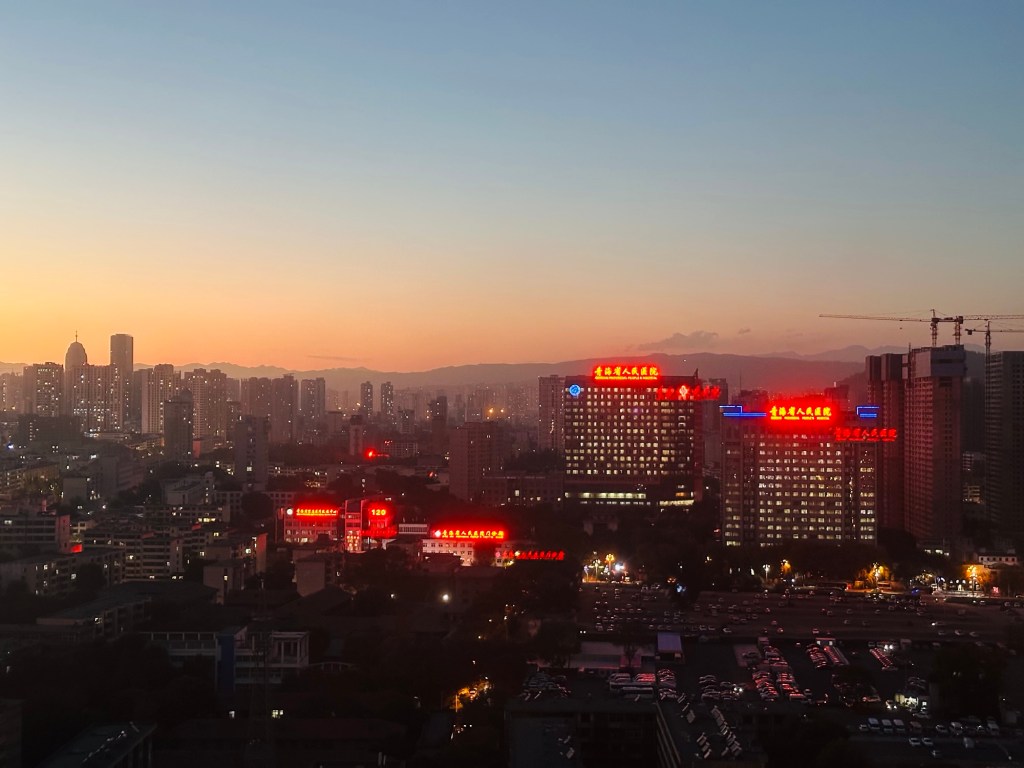
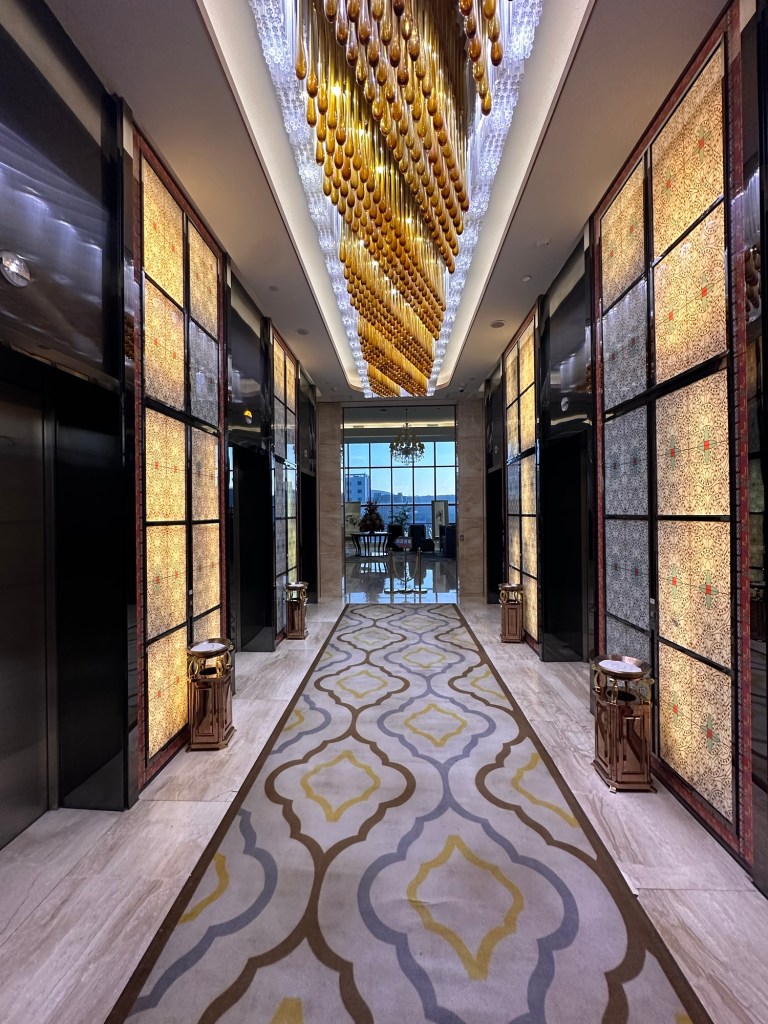
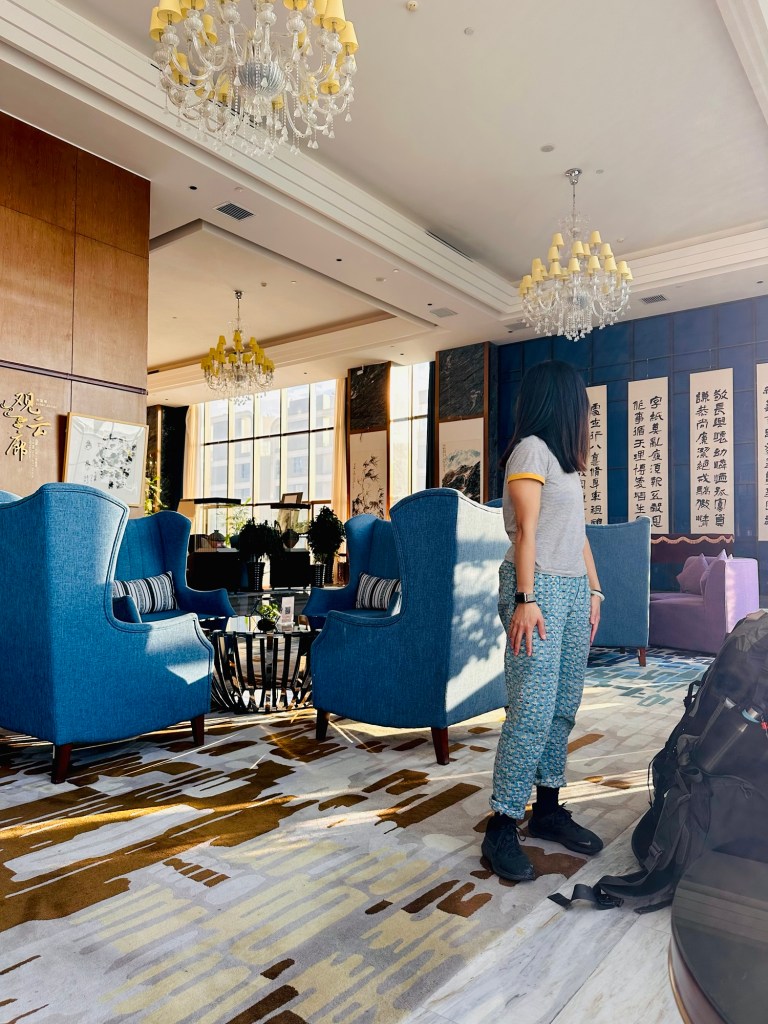
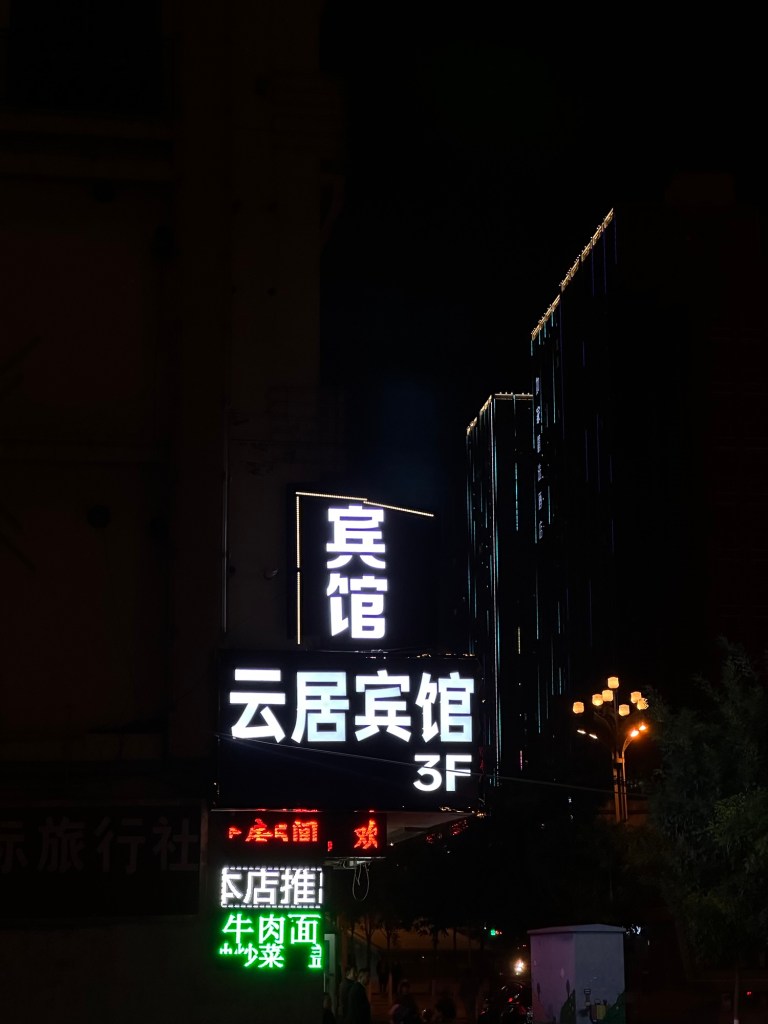
Xining has a Blade Runner like quality to it – big neon lights and tall buildings, with amazing sunsets. Our hotel feels like it was once the best hotel in town. A lot of money was probably spent when it opened at the turn of the millennium. The staff were very helpful and friendly, and we were pleased to find they served a free dinner in the lobby each evening (which was delicious). For the price of £20pn, it feels like it would cost £250pn in London.
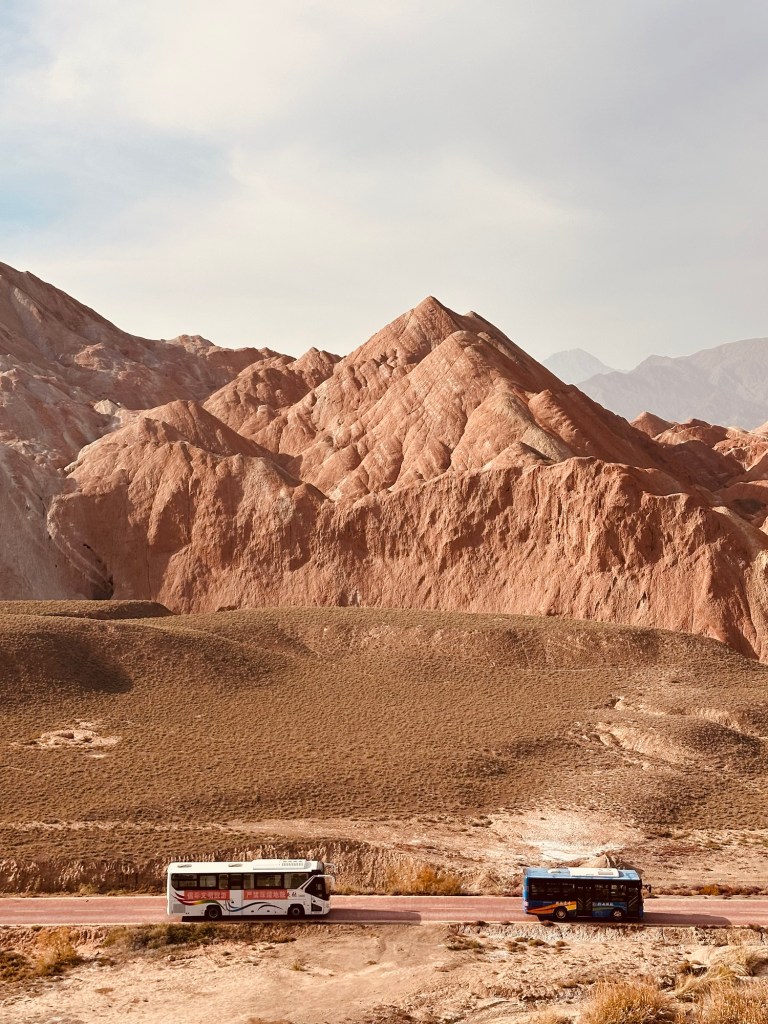
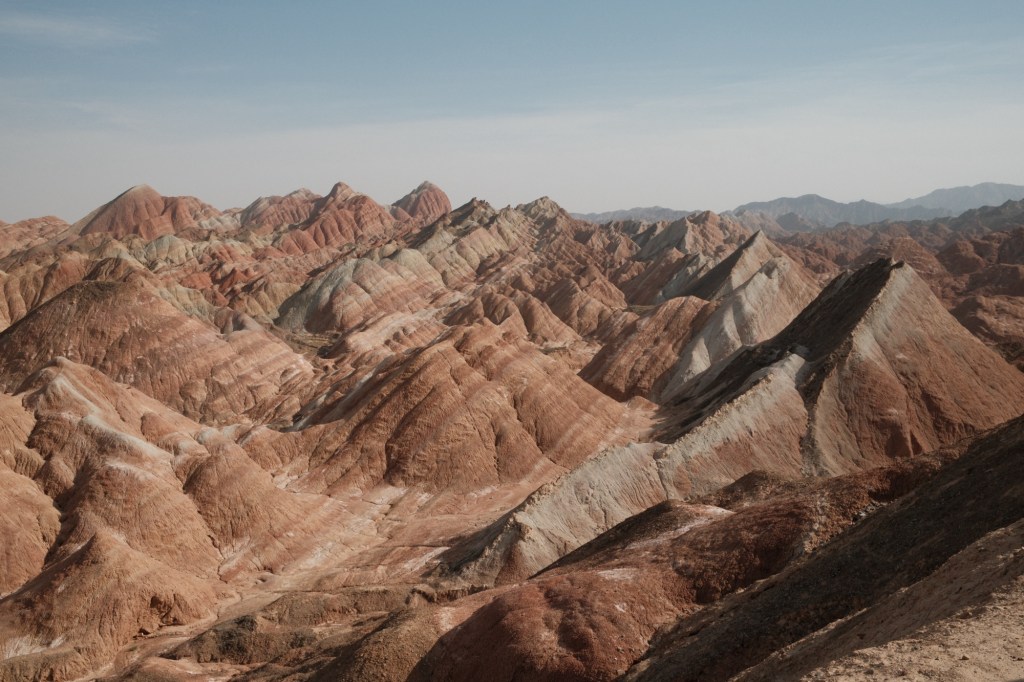
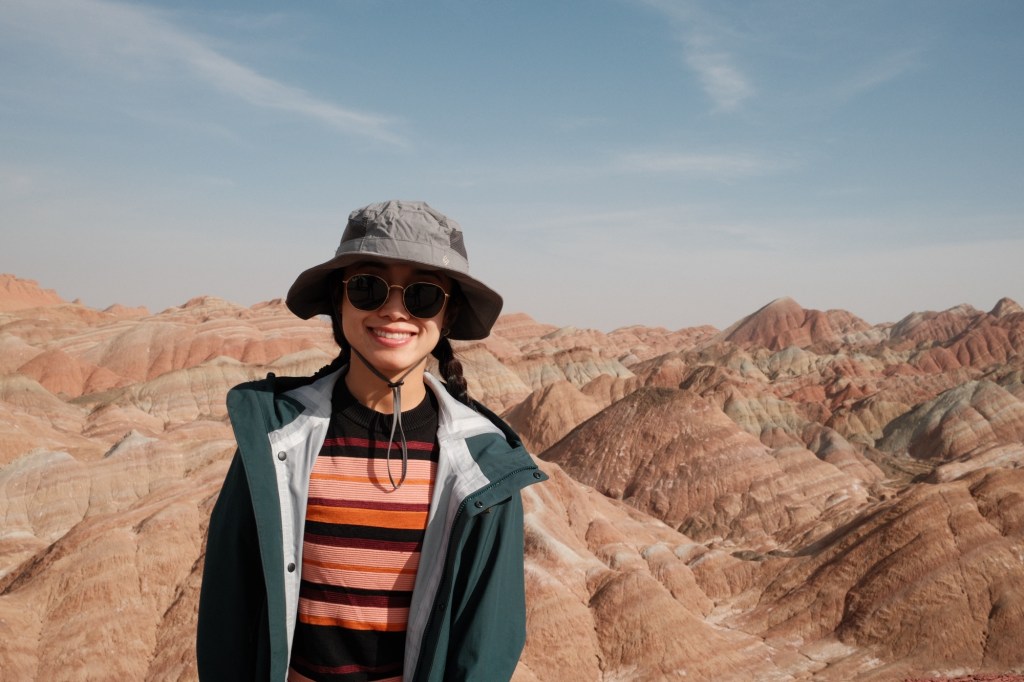
We make a last minute plan to visit the Rainbow Mountains in Zhangye Danxia Geopark further north the next day. Again we travel by bullet train for a very low price. I was a little sceptical of what it would be like, but I was rightly put in my place when we got there. Amazing coloured banded mountains flowing for miles. As we’d already experienced, very well planned, from a visiting perspective. You bought a ticket and then got a bus to drop you off at various view points. We’d timed the trip for mid to late afternoon to catch the good light, and it worked out well. A highly recommended stop in Western China.
First impressions of China were strong, we’d had a really good first week. I feel like I had a continuous feeling of amazement everywhere we went as it felt so new to me.
Next up – Tibet for 8 days. We were travelling by the famed Xining to Lhasa sleeper train, which exceeds altitudes of over 5,000 metres with a pressurised cabin to control oxygen levels.

 seemehear
Leave a comment